

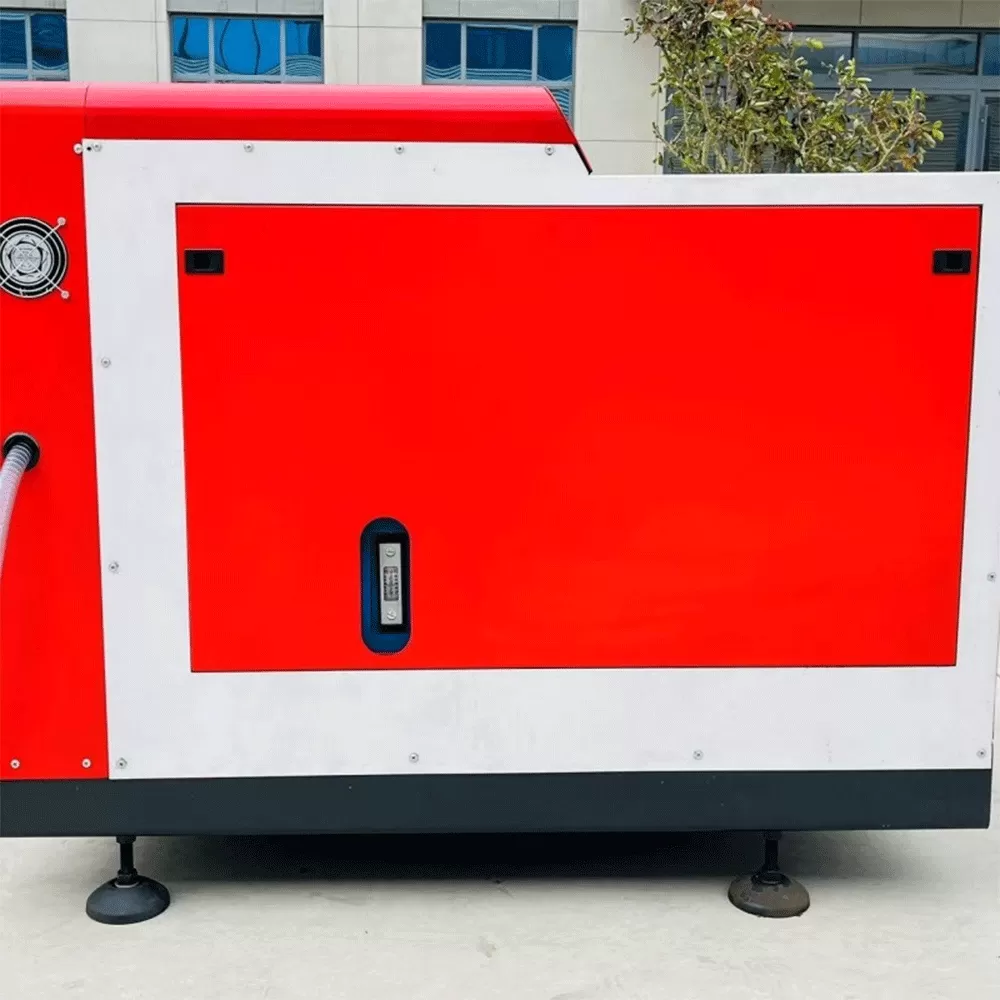
High-speed CNC milling and turning centers generate tons of loose metal scrap every week. Bird's nest turnings, wet aluminum swarf, and granular cast iron chips quickly overwhelm floor space.
These loose chips hold valuable cutting oil, take up eight times their solid volume in bins, and command lower prices from scrap dealers. Piles of untreated chips also create safety risks across the facility.
A standard scrap compactor often fails to meet the needs of modern machining cells. Custom engineering bridges this gap. Integrating an automated metal baler machine directly into your production line stops scrap pileups at the source.
At QUNHUI, we engineer purpose-built chip conveyors, machine protection systems, and industrial scrap handling systems that turn machining waste into dense, dry briquettes. Contact our engineering team today to review your shop layout and receive a custom system layout.
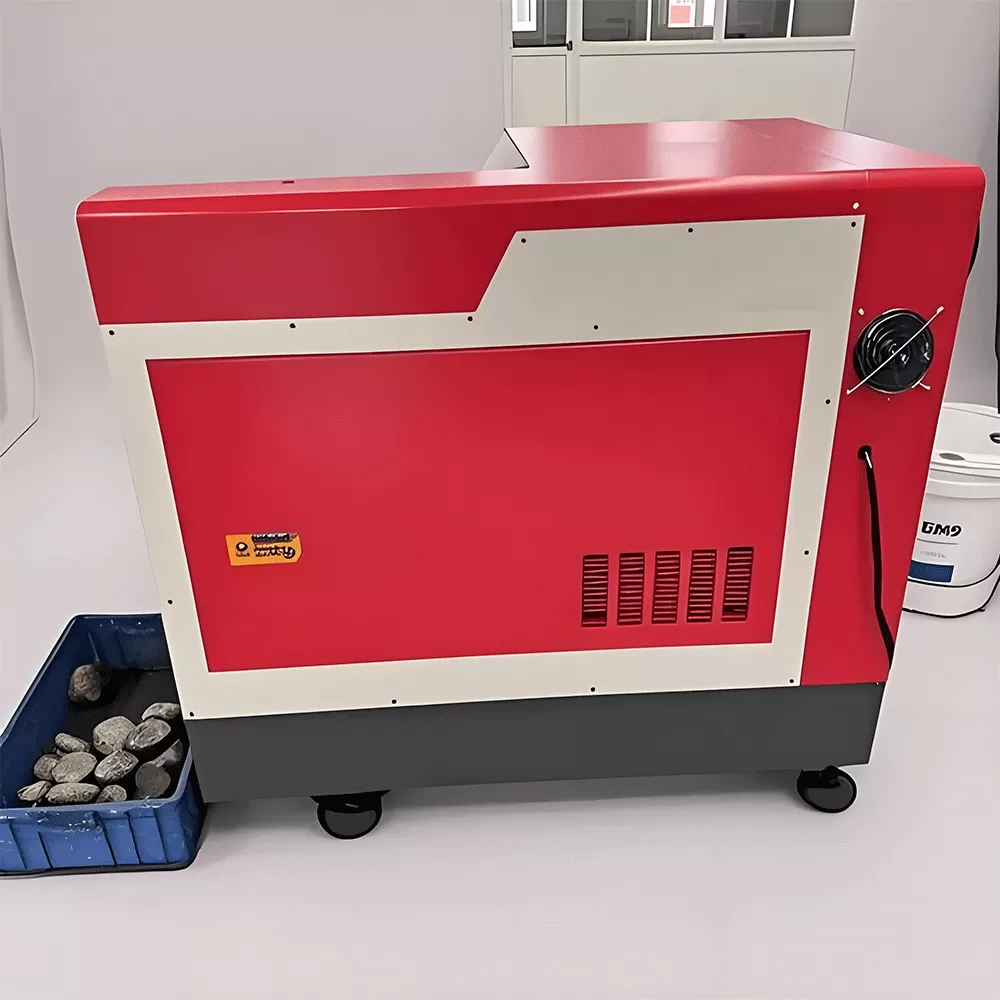
The CNC Scrap Crisis: Why Off-the-Shelf Balers Fall Short
Generic scrap balers work well for bulky sheet metal offcuts or municipal stamping waste. However, precision CNC machine shops face completely different material challenges.
High-speed tool paths generate light, voluminous chips soaked in water-soluble coolant or neat cutting oil. When operators dump wet, springy chips into an oversized, unheated batch baler, several problems occur immediately.
First, aluminum swarf has an elastic memory. Without custom multi-stage hydraulic compression, loose aluminum expands the moment ram pressure releases. The result is a crumbly, low-density bale that falls apart during transport.
Second, standard scrap equipment rarely includes sealed fluid catchment trays. As the hydraulic ram presses wet chips, coolant squirts past unsealed doors and pools onto the shop floor. This creates environmental compliance issues under US EPA industrial waste regulations.
Third, manual loading wastes labor. Paying machine operators to shovel stringy chips into wheelbarrows pulls them away from running spindle time. Continuous production demands an automated chip processing setup tailored to the machine shop's specific layout.
Material-Specific Engineering: Designing for Swarf Properties
Metal chips react differently under high compression. A successful custom metal baler machine must match the specific metallurgical traits of your dominant scrap stream.
Aluminum Swarf: Overcoming Material Springback
Aluminum chips (such as 6061, 7075, or cast grades) are light, abrasive, and elastic. They trap large volumes of coolant in their porous piles.
- Multi-stage hydraulic profiling: QUNHUI designs dual-ram systems that pre-compact the swarf before the main ram applies final briquetting pressure.
- Decompression dwell timers: Programmable logic controllers (PLCs) hold high pressure for several seconds, forcing out micro-air pockets and plasticizing the metal so it stays solid.
- Anti-wear chamber tooling: Hardened tool steels line the compaction chamber to prevent micro-galling from sticky aluminum alloys.
Steel and Cast Iron: Managing High Abrasion and Fine Particles
Cast iron creates powdery dust, while alloy steels produce tough, continuous stringers that jam standard hydraulic feed gates.
- Hardened wear plates: We fabricate our compression boxes with replaceable Hardox wear liners to withstand severe abrasive friction.
- Integrated shredder heads: For stringy steel turnings, custom hoppers feature continuous shredder teeth that chop long nests before briquetting.
- Fine particulate containment: Sealed compression sleeves keep cast iron dust from drifting into sensitive CNC controls or linear guideways.
Copper, Brass, and Exotic Alloys: Maximizing Purity and Yield
Machining brass, bronze, and titanium involves expensive raw materials where every gram counts.
- Ultra-dense compaction: Compressing red metals to over 85% of solid theoretical density prevents internal oxidation during melting.
- Cross-contamination barriers: Smooth chamber finishes allow quick washdowns between material switchovers, preserving the scrap value of high-purity alloys.
Inline Integration: Connecting Conveyors to the Metal Baler Machine
The true power of custom engineering lies in automation. Standalone machines require human intervention; an integrated closed-loop cell runs unattended around the clock.
QUNHUI specializes in bridging the gap between chip generation and chip processing. By linking your CNC chip conveyor directly to a dedicated metal baler machine, scrap moves continuously from tool tip to finished briquette.
Here is how a synchronized scrap handling line works in practice:
- Chip extraction: A QUNHUI hinged belt or magnetic chip conveyor pulls swarf directly out of the CNC base sump.
- Automated transfer: The conveyor elevates the chips and discharges them directly into the baler's optical-sensor-controlled hopper.
- Level-sensing actuation: Ultrasonic sensors detect material depth. The compaction cycle activates automatically only when the hopper reaches optimum capacity, saving electrical power.
- Automated discharge: Solid pucks drop onto an exit chute, collecting neatly into heavy-duty transport bins or directly onto pallets.
This automated flow eliminates forklift traffic in narrow machine aisles. Operators stay focused on part inspection, tool offsets, and fixture loading.
Integrated Coolant Recovery: Turning Liquid Waste into Profit
Coolant is one of the highest ongoing consumable costs in any precision machine shop. Discarding wet chips means paying twice: first to buy the oil, and again to have waste haulers dispose of it.
A custom metal baler machine doubles as an efficient mechanical fluid extractor. Under hydraulic pressures exceeding 250 to 300 bar, the unit squeezes liquid out of the chip mass.
- High extraction rates: High-pressure briquetting removes up to 98% of free liquid lubricants from loose chips.
- Primary sediment filtration: Slotted wedge-wire filters catch coarse particles as the coolant drains from the press box.
- Return pumping systems: Automated sump pumps send reclaimed coolant straight to centralized filtration units or holding tanks for concentration balancing.
Reclaiming cutting fluid directly at the machine cell can reduce total coolant purchasing costs by 30% to 50% annually, based on data from ASM International manufacturing resources.
Spatial Optimization: Vertical vs. Horizontal Baler Layouts
Floor space is valuable real estate. Production managers cannot afford to sacrifice whole machining cells just to house a bulky, standard compactor.
QUNHUI works with your CAD plant layouts to build machines matching your available space:
Vertical Briquetting Presses
Vertical systems use top-mounted cylinders that press down into a bottom-ejecting die. These units have a minimal floor footprint, making them ideal for placement between two back-to-back machining centers. They easily fit under conveyor discharge chutes without requiring overhead cranes or pit excavations.
Horizontal Balers and Briquetters
Horizontal machines work best for centralized scrap centers fed by multiple overhead conveyors or tippers. A horizontal hydraulic cylinder pushes material through a lateral channel. This layout allows low hopper heights and simplifies duct connections for centralized mist collection.
Manufacturing Strength: The QUNHUI Engineering Advantage
QUNHUI does not simply assemble off-the-shelf components. We build custom scrap and machine protection equipment from the ground up at our 10,000-square-meter manufacturing facility.
Our heavy manufacturing infrastructure includes high-precision laser cutters, large multi-axis CNC machining centers, and heavy plate bending systems. This equipment allows us to maintain strict tolerances across every structural assembly.
Hydraulic cylinders and stress-bearing frames undergo heavy pressure testing before shipment. We design our structures to resist the mechanical fatigue caused by millions of continuous hydraulic compression cycles.
Furthermore, QUNHUI provides a complete machine ecosystem. We manufacture the heavy-duty steel drag chains that protect high-pressure hydraulic lines and electrical wiring on your baler. We also build custom machine way bellows covers that protect linear guides from hot, sharp flying chips.
Every automated system we build complies with international safety standards, including machinery guidelines set by the International Organization for Standardization (ISO 12100).
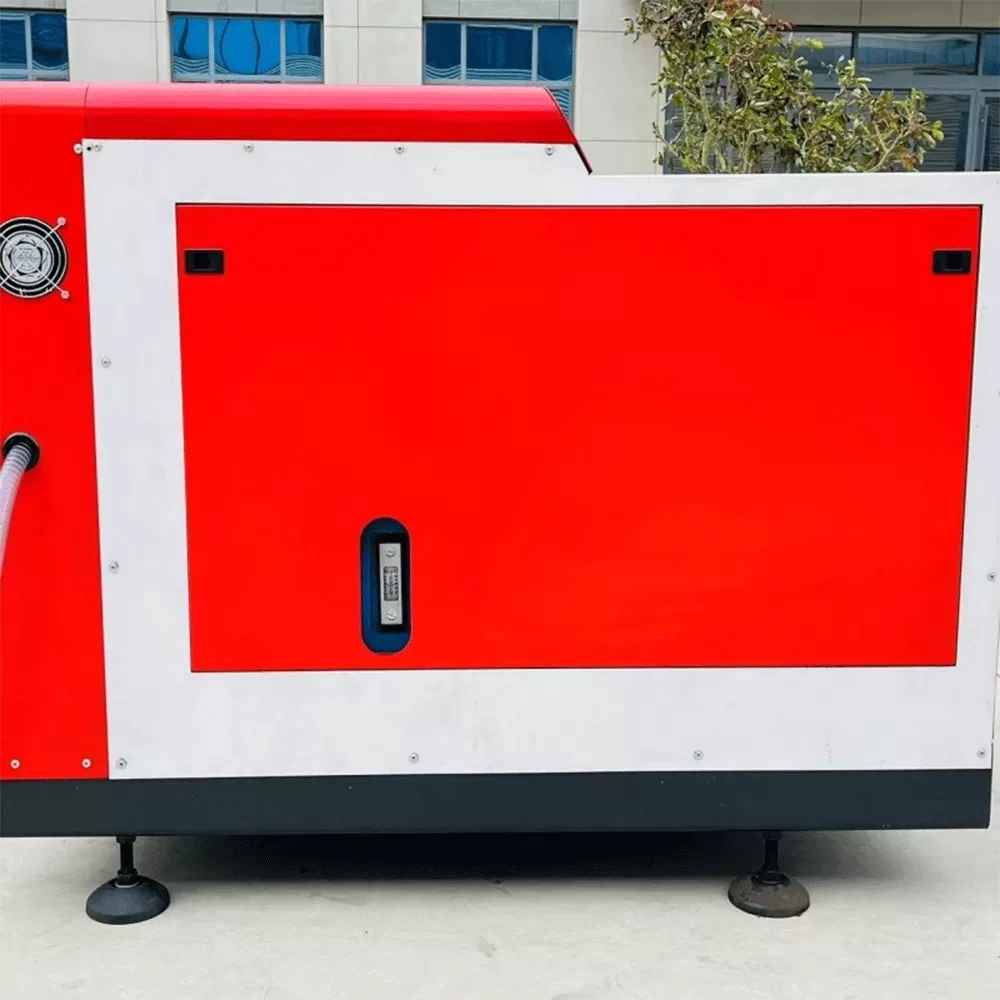
ROI Analysis: Why a Custom Metal Baler Machine Pays for Itself
Capital equipment purchases must be backed by a clear financial return. A custom metal baler machine generates revenue and cuts operating costs across four primary areas:
1. Higher Scrap Value
Smelters and scrap foundries hate loose, wet chips. Thin, oily turnings burn away into slag when touched by the intense heat of an electric arc or induction furnace, losing 15% to 25% of their mass.
Solid, high-density briquettes sink directly into the molten bath, cutting melt loss down to less than 3%. Because of this efficiency, scrap processors pay 20% to 40% more for dense briquettes than for loose, dripping swarf.
2. Reduced Handling and Logistics Costs
Compressing chips reduces their volume by 80% to 90%. Ten bins of loose, bird's-nest turnings compress into a single pallet of dense briquettes. Your staff spends less time moving scrap bins with forklifts, and waste haulers make fewer collection trips.
3. Coolant Recovery Savings
A mid-sized shop running 10 CNC machines can lose dozens of gallons of neat cutting oil or concentrated coolant each week on wet chips. Compacting chips captures this oil for reuse, cutting virgin fluid purchases month after month.
4. Housekeeping and Environmental Compliance
Dry briquettes mean clean shop floors. You eliminate the dripping trails left behind by chip hoppers moving through the plant. This reduces slip-and-fall hazards and avoids penalties from local environmental regulators.
Frequently Asked Questions (FAQ)
Q1: What is the main difference between a standard scrap baler and a CNC chip briquetting machine?
A1: A standard scrap baler uses large chambers and moderate pressure to bundle loose sheet metal or skeleton offcuts into loose cubes. A CNC chip briquetting metal baler machine uses extreme hydraulic pressure (frequently over 300 MPa) within a small cylindrical chamber. This cold-welds loose swarf into dense solid blocks while squeezing out trapped coolant.
Q2: Can a single custom baler handle both steel chips and aluminum swarf?
A2: Yes, through smart PLC recipes. QUNHUI programs dual-recipe routines into the system controller. Operators switch settings on the touchscreen interface to adjust stroke length, ram pressure, and dwell times between light aluminum chips and tough steel turnings. We also offer quick-change wear liners to prevent cross-contamination.
Q3: How much cutting fluid can we recover during the baling process?
A3: A well-engineered custom system recovers between 90% and 98% of the free liquid clinging to chip surfaces. The exact volume depends on chip shape and coolant viscosity, but most high-production facilities reclaim hundreds of gallons of usable fluid each month.
Q4: Does the compaction process damage the recovered cutting fluid?
A4: No. The mechanical pressing process relies purely on physical force without thermal degradation. The squeezed fluid passes through a coarse mechanical screen into an integrated sump, where it can be piped to your existing skimmers and centrifuges for regular filtration and reuse.
Q5: How does this equipment integrate into our existing machine alarm systems?
A5: QUNHUI systems use industry-standard electrical interfaces. We tie the baler's PLC into your CNC conveyor interlocks or plant-wide SCADA network. If the baler hopper fills to maximum capacity or needs maintenance, it safely halts the feeding conveyor and alerts the line supervisor instantly.
Transform Your Shop's Scrap Logistics with QUNHUI
Loose metal chips do not have to crowd your shop floor, drain your coolant budgets, or waste valuable labor hours. Moving to a custom-engineered metal baler machine transforms an untidy waste problem into a clean, automated profit center.
QUNHUI brings more than 15 years of machine accessory and scrap management engineering to your production facility. We design complete scrap handling solutions tailored to your floor space, your materials, and your production volume.
Stop paying to haul away air and expensive coolant. Contact the QUNHUI engineering group today with your material specifications, and we will deliver a custom proposal with a detailed return-on-investment breakdown within 24 hours.