

High-precision machining leaves behind more than simple scrap. In sectors like aerospace, medical implant production, and mission-critical electronics, your metal offcuts consist of high-value assets: titanium alloys, Inconel, surgical-grade stainless steel, and oxygen-free copper. Treating these materials like common demolition scrap wastes significant working capital.
Many plant managers purchase an off-the-shelf machine, only to discover that cross-contamination, excessive coolant carryover, and floor space bottlenecks eat away their margins. Selecting the right scrap metal recycling equipment requires evaluating how processing technology impacts your scrap value and operational throughput.
At QUNHUI, we help precision facilities configure their waste handling systems to eliminate operational drag. Whether you need a standard unit or a fully bespoke system, making an informed choice determines your processing efficiency for the next decade.
Need immediate technical guidance on equipment sizing? Contact our engineering team today to review your scrap volume and floor plan requirements before committing capital.
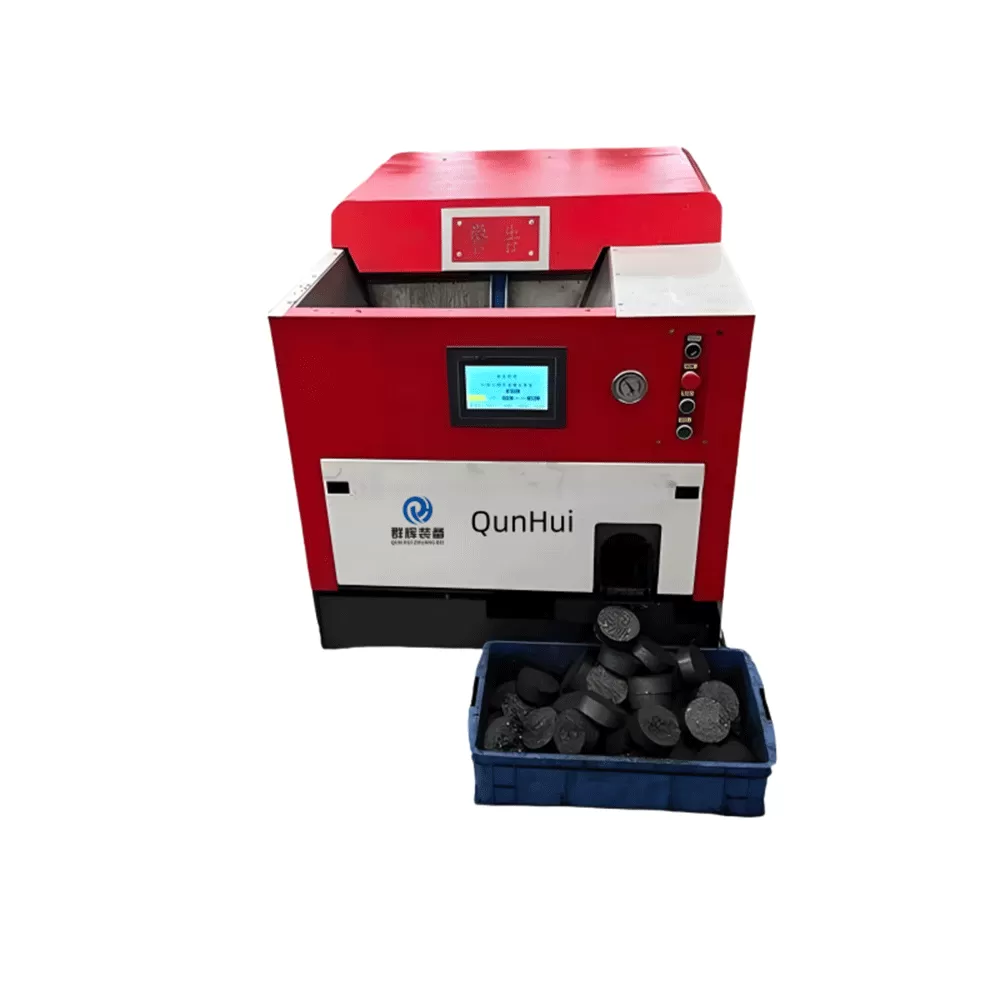
The Unique Scrap Management Challenges in High-Precision Manufacturing
Production environments running 5-axis CNC centers, Swiss lathes, and high-speed stamping presses face scrap challenges that generic scrap yards never encounter. Standard equipment often fails under these specialized conditions.
1. High Material Purity and Contamination Risks
Downstream mills pay premium rates for high-purity alloy bundles. However, if medical-grade 316L stainless steel contains even trace amounts of low-carbon steel, smelters downgrade the entire batch to general scrap. A generic industrial metal baler often retains residual chips inside structural crevices, causing cross-contamination between different production runs.
2. Valuable Cutting Fluid Retention
Precision manufacturing relies on expensive neat oils and synthetic coolants. When skeletal stampings or turning nests drop into a baling press, they carry substantial fluid weight. Standard machines squeeze scrap without capturing fluid efficiently, leaving costly oil on the plant floor and incurring environmental fines. Capturing and filtering these lubricants directly during compression turns a waste handling step into fluid reclamation.
3. Tight Floor Space and Industrial Automation
Precision machine shops prioritize high-output CNC machinery, keeping floor space tight. Modern production floors cannot spare square footage for bulky, standalone machines with irregular footprints. Today's facilities require scrap metal recycling equipment that integrates directly with chip conveyors, centralized chip handling systems, or automated guided vehicles (AGVs).
Standard Metal Balers: The Off-the-Shelf Approach
A standard metal baler is an off-the-shelf machine designed for general-purpose scrap collection. These units feature pre-engineered hydraulic systems, standard loading chambers, and conventional push-button controls. They are built for broad utility across multiple industrial settings.
The Advantages of Standard Units
- Lower Initial CAPEX: Off-the-shelf units benefit from mass production runs, keeping baseline equipment costs low.
- Short Lead Times: Standard units are often in stock or ready to ship within weeks, helping operations meet urgent deadlines.
- Proven Component Availability: Standard hydraulic metal baler designs use generic valves, cylinders, and motors that local maintenance teams can service easily.
The Limitations for Precision Facilities
- Fixed Chamber Dimensions: If your stamping line produces wide offcuts, you must manually pre-cut the scrap to fit generic chambers.
- Basic Fluid Containment: Most standard machines feature flat chamber floors with basic drip trays, allowing fluid to pool and leak around the machine.
- Material Spring-Back Issues: Difficult alloys like Grade 5 titanium feature high memory. Standard single-ram or dual-ram systems often lack the sustained dwell pressure needed to prevent bundles from unraveling once ejected.
Best Applications for Standard Machines
Standard units work best for stamping shops running high volumes of uniform mild carbon steel, aluminum sheet clippings, or brass turnings, where fluid extraction is minimal and material cross-contamination is not a financial risk.
Custom Metal Balers: Tailored for Precision Operations
A custom metal baler is an engineered solution configured to match your specific production output, chemistry controls, and layout limitations. Customization goes beyond machine color; it involves structural, hydraulic, and electrical engineering tailored to your scrap metallurgy.
High-Value Custom Engineering Modules
- Specialized Chamber Liners: Tough alloys like Inconel and titanium cause rapid wear. Custom units feature replaceable Hardox wear liners and hardened shear blades to resist abrasion and prevent chamber gouging.
- Integrated Fluid Extraction and Filtration: Custom systems incorporate sloped, slotted chamber beds, high-pressure fluid collection reservoirs, and automatic return pumps. This setup reclaims expensive cutting oils while ensuring dry bales that ship without weight penalties.
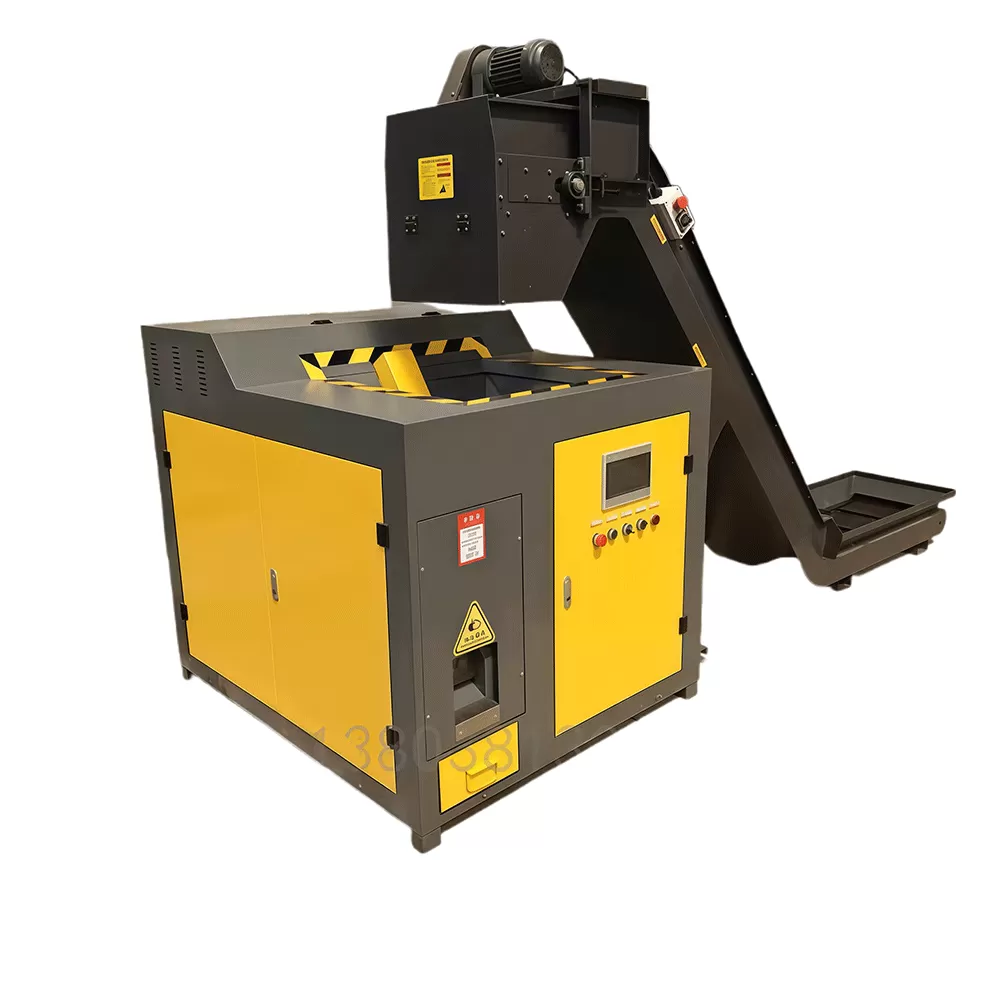
- Smart PLC and Plant-Wide SCADA Integration: A custom machine links directly to your facility's MES. It communicates bale weights, fluid volume recovered, and hydraulic cycle times while pacing itself against CNC chip conveyor discharge rates.
- Tailored Hydraulic Pressure Profiles: Precision alloys require variable compression cycles. Custom baling solutions allow engineers to program prolonged dwell times, compacting spring-back alloys into dense, stable bundles that satisfy strict smelter charge specifications.
Long-Term Financial Return
While a custom hydraulic metal baler requires higher initial capital and longer delivery timelines, the operational return is measurable. You eliminate secondary material handling, recover thousands of gallons of process oil annually, and command top-tier pricing from recycling yards by delivering verified, single-alloy bales.
Equipment builders like QUNHUI engineer bespoke baling installations that integrate seamlessly into high-yield aerospace and automotive environments, turning scrap collection into an automated, revenue-generating process.
Comparative Analysis: Standard vs. Custom Metal Balers
Choosing between standard and custom equipment requires comparing long-term operating costs with immediate equipment investments. The table below outlines how these two categories compare across core operating parameters:
| Operational Metric | Standard Metal Baler | Custom Metal Baler |
|---|---|---|
| Initial Purchase Cost | Lower upfront CAPEX; fixed catalog pricing. | Higher initial CAPEX; tailored engineering investment. |
| Delivery Lead Time | Fast delivery (often 2 to 6 weeks). | Engineered-to-order (typically 12 to 24 weeks). |
| Footprint Flexibility | Rigid, fixed footprint; shop must adapt around the machine. | Engineered to fit existing layouts, low ceilings, or tight corners. |
| Material Purity Protection | High cross-contamination risk in structural corners. | Purge-friendly chamber design with minimal contamination traps. |
| Cutting Fluid Reclamation | Minimal, basic drip pan collection. | High-efficiency fluid extraction with integrated filtration options. |
| High-Strength Alloy Performance | Prone to rapid chamber wear and material spring-back. | Hardox wear plates with programmable hydraulic dwell pressure. |
| Overall Return on Investment (ROI) | Fast payback on basic, single-metal waste. | Superior multi-year ROI for high-value alloys and fluids. |
Decision Matrix: How to Choose the Right Metal Baler
To determine the best approach for your facility, assess your current production realities against these four core operational factors.
1. Scrap Metallurgy and Diversity
If your shop runs a single grade of mild carbon steel all year, a standard metal baler delivers sufficient compaction. However, if your production shifts between aerospace titanium, duplex stainless steel, and nickel alloys, you need custom baling solutions. Clean-sweep chambers and wear-resistant liners protect your material purity and equipment lifespan.
2. Scrap Volume and Chip Characteristics
High-speed milling operations generate high volumes of bushy turnings and stringy chips. Standard balers can struggle to feed these light, tangled materials without manual handling. Custom machines can be fitted with hydraulic feed hoppers, pre-shredding shafts, or automated ram tampers to process irregular scrap streams continuously.
3. Coolant Recovery and Environmental Compliance
Check the moisture level of your uncompacted scrap. If scrap bins leak coolant during transport or storage, standard handling exposes your facility to environmental violations. A custom-engineered baler equipped with high-pressure fluid collection pans strips fluids at the source, helping you maintain a clean, compliant shop floor.
4. Secondary Smelter and Foundry Acceptance
Downstream metal buyers look for specific density, size, and purity metrics. If your bundles unravel or trap moisture, buyers levy deduction penalties. A custom metal baler lets you specify exact bale dimensions and compression tonnage, ensuring your scrap bundles match your buyer's induction furnace specifications for maximum market value.
Frequently Asked Questions (FAQ)
Q1: Can a standard metal baler process aerospace titanium and high-nickel alloys safely?
A1: Standard balers can physically crush titanium or nickel alloys, but they often struggle with structural durability. These high-strength materials accelerate wear on mild steel chamber walls. Additionally, their spring-back characteristics can loosen wire ties on standard bundles. A custom industrial metal baler equipped with Hardox wear plates and extended hydraulic dwell cycles is far better suited for processing these high-strength metals.
Q2: How much cutting fluid can an engineered baling system actually recover?
A2: While standard equipment drip trays capture only 10% to 20% of surface oil, custom extraction beds paired with high-tonnage rams can strip up to 85% to 95% of recoverable fluid from chips and stamping scrap. Over a year of multi-shift machining, this reclaimed fluid translates into substantial cost savings.
Q3: What is the typical engineering lead time for a custom industrial metal baler?
A3: A standard machine ships in 2 to 6 weeks, while a custom metal baler typically takes 12 to 24 weeks. This timeline covers application engineering, finite element analysis (FEA), hydraulic power unit (HPU) matching, software programming, factory acceptance testing, and delivery.
Q4: Why does bale density directly influence scrap sales prices?
A4: Smelters and foundries demand high-density bundles because loose scrap burns away as slag in the furnace, lowering their melt yield. Dense, dry bales sink beneath the melt surface quickly, maximizing recovery. Scrap buyers consistently pay higher rates for dense, low-moisture scrap bundles.
Q5: Can QUNHUI adapt a custom baling system to an existing CNC chip conveyor layout?
A5: Yes. QUNHUI engineers custom scrap systems to match your operational footprint. We configure infeed hoppers, transition chutes, hydraulic units, and electrical controls to interface directly with your existing CNC scrap conveyors, vibratory shakers, or overhead hoist systems.
Optimize Your Scrap Handling Value with QUNHUI
In high-precision manufacturing, scrap processing should support your bottom line, not drain shop resources. While an off-the-shelf metal baler handles generic scrap well, precision facilities need specialized, dependable equipment. Custom-engineered scrap handling solutions deliver cleaner floors, eliminate alloy contamination, recover expensive coolants, and secure top pricing from scrap processors.
QUNHUI designs and manufactures heavy-duty scrap recycling machinery built for challenging industrial operations. Our team evaluates your scrap volume, alloy types, and floor constraints to build equipment that delivers real long-term return on investment.
Ready to upgrade your scrap processing workflow? Contact QUNHUI today to discuss your production requirements, request an engineering consultation, and receive a customized equipment proposal for your facility.