
_172545.webp)
In high-precision manufacturing, the margin between profitable uptime and unexpected downtime is remarkably thin. Maintenance engineers often focus their resources on spindle calibration and linear guide lubrication while overlooking the primary defense system of the machine tool.
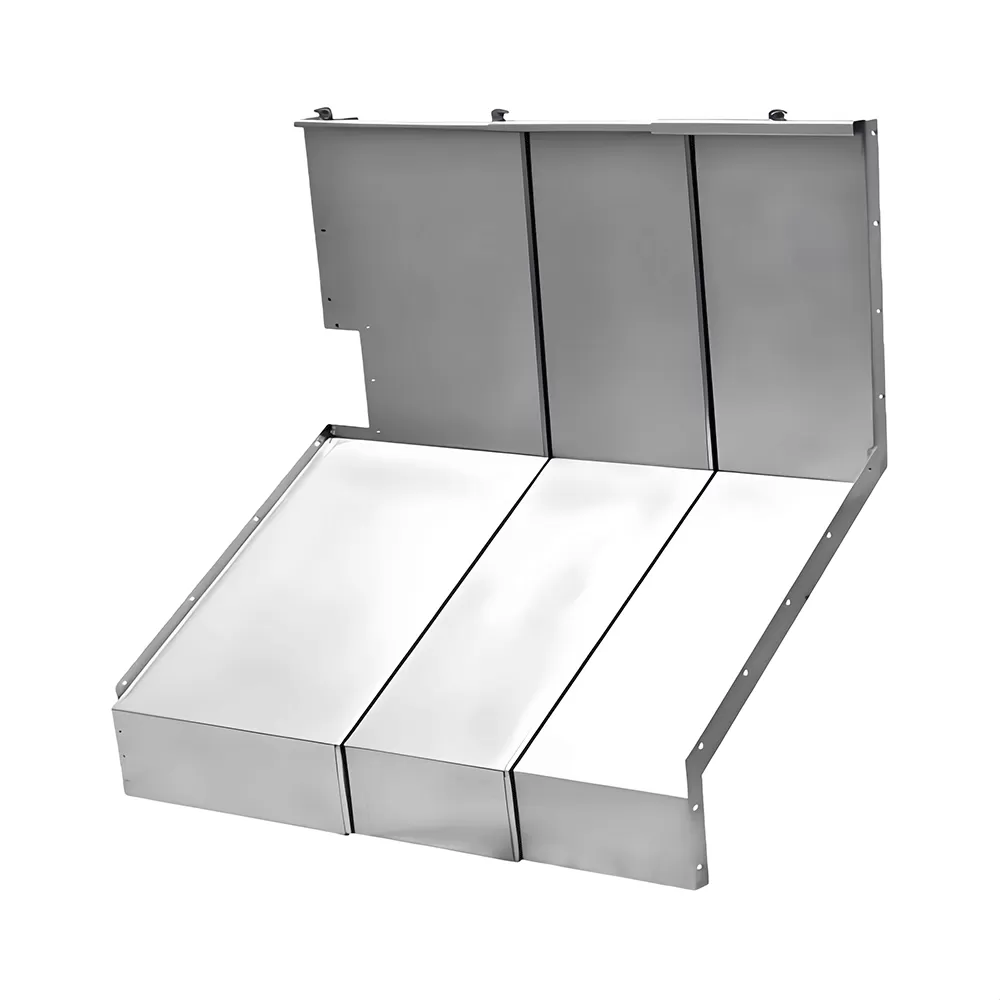
The protective telescopic steel covers shield delicate guideways from abrasive chips and harsh chemical coolants. At the heart of this protective barrier lies a small but critical component: the cnc telescopic cover wiper.
When this sealing component degrades, fine particulates infiltrate the guide-way system. This leads to friction spikes, stick-slip phenomena, and eventual mechanical failure that can halt production lines for days.
This article provides an engineering-focused analysis of wiper technology, discussing material chemistry, geometry, and real-world maintenance strategies.
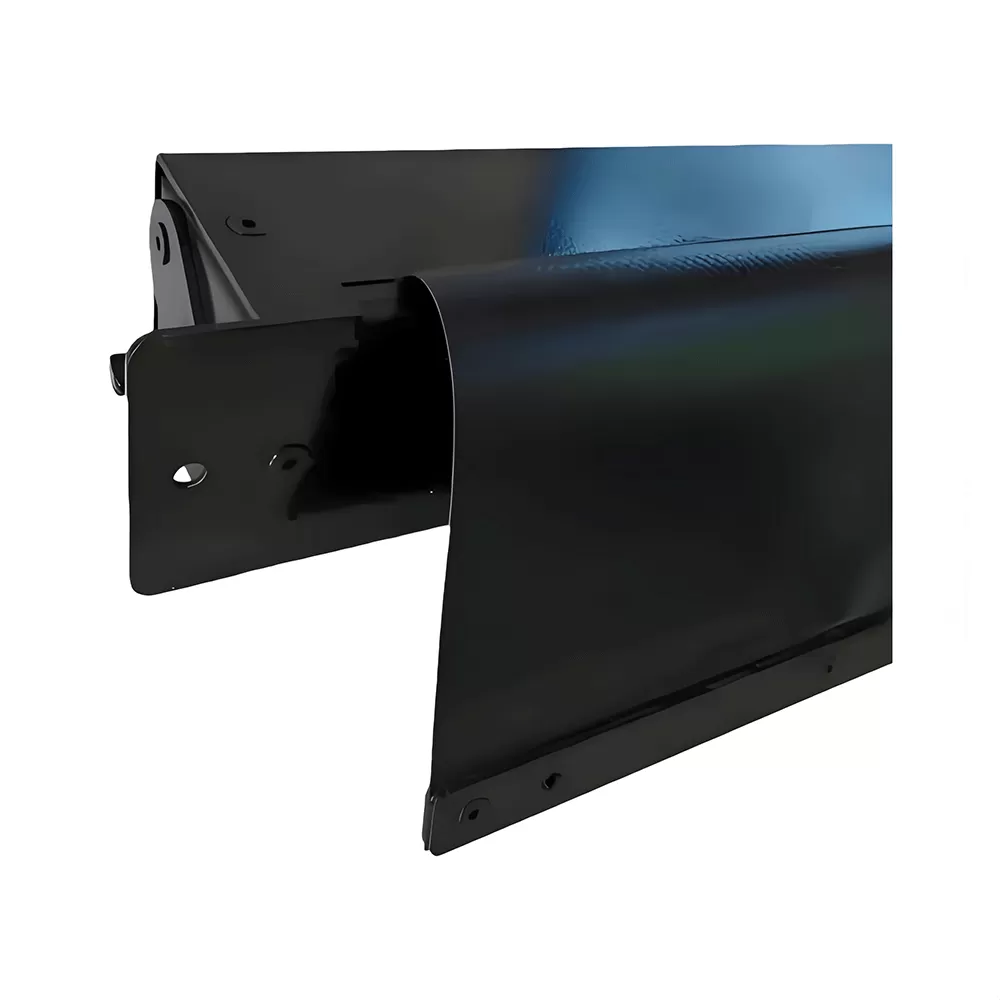
The Hardness Paradox in Way Wiper Design
A common misconception among maintenance technicians is that a harder cnc telescopic cover wiper lip offers superior scraping performance and a longer service life. On paper, rigid polyurethane seems highly resistant to abrasive metal shavings.
However, field studies reveal a different reality. Overly rigid materials cannot adapt to the minor surface variations and dynamic deflections of telescopic steel plates during high-speed travel.
When a wiper lip is too hard, it creates microscopic gaps during rapid acceleration phases. These gaps allow fine dust, micro-chips, and pressurized coolant to pass underneath, trapping particles against the guideway.
This trapped debris acts like an abrasive polishing paste, accelerating wear on both the steel cover plates and the linear guides. Optimal performance requires a precise balance of flexibility and structural resilience.
Evaluating Wiper Materials Under Chemical Stress
Modern CNC machining relies on complex, synthetic coolants designed to maximize tool life and heat dissipation. Unfortunately, these chemical formulations can be highly aggressive toward standard elastomer seals.
When selecting a cnc telescopic cover wiper, understanding the chemical interaction between the coolant and the wiper polymer is essential. The table below outlines the primary materials used in industrial environments:
| Material Type | Hardness (Shore A) | Coolant Resistance | Abrasion Resistance | Best Application Environment |
|---|---|---|---|---|
| NBR (Nitrile) | 70 - 80 | Moderate (Swells in synthetic oils) | Moderate | Standard milling with mineral-based oils |
| Polyurethane (PU) | 85 - 95 | High (Formulated for synthetic fluids) | Excellent | High-speed machining, dry metal cutting |
| FKM (Viton) | 80 - 90 | Outstanding (Highly stable) | Moderate | High-temperature, heavy chemical exposure |
At QUNHUI, we utilize custom-formulated polyurethane compounds engineered specifically to resist the hydrolytic degradation caused by water-soluble coolants. This chemical stability ensures the wiper lip retains its pre-tension and profile over extended operation cycles.
The Dynamic Lip Tension Framework (DLTF)
To analyze wiper efficiency systematically, we use a concept known as the Dynamic Lip Tension Framework (DLTF). This engineering framework evaluates how a wiper performs under dynamic load cycles.
The DLTF relies on three main pillars: Preload Force, Deflection Range, and Friction Coefficient. These elements must be balanced to ensure effective sealing without causing mechanical drag.
Preload Force → Deflection Range → Friction Coefficient
If the preload force is too high, the friction coefficient increases. This generates localized heat that hardens the elastomer, causing it to crack prematurely.
If the preload is too low, the deflection range is insufficient to maintain contact during cover retraction. This leaves a film of coolant and micro-debris on the plates, compromising the internal system.
By applying the DLTF, designers can calculate the exact profile geometry required for specific machine accelerations, often exceeding 1G in modern linear-motor CNC machines.
Selecting the Right Profile for Your Application
Every CNC machine tool design exhibits unique space constraints and operating conditions. Consequently, choosing a cnc telescopic cover wiper requires matching the application with the correct structural profile.
Wipers generally fall into three structural categories: straight strip wipers, pre-fabricated corner wipers, and custom-molded profiles with integrated stainless steel backing plates.
Straight strip wipers offer excellent versatility for standard rectangular covers. They can be cut to length on-site, making them highly cost-effective for general maintenance workshops.
For high-performance machines with complex geometries, custom-molded wipers with vulcanized steel support ribs are preferred. Brands like QUNHUI specialize in manufacturing these reinforced profiles to maintain consistent contact pressure across irregular surfaces.
A 60-Second Wiper Wear Audit Checklist
Preventative maintenance is far more cost-effective than emergency repairs. Use this practical checklist during scheduled weekly maintenance to evaluate the condition of your way protection systems:
Visual Inspection: Look for visible tearing, cracking, or swelling along the entire length of the wiper lip.
Pre-tension Check: Ensure the wiper lip maintains continuous, uniform contact with the underlying steel plate across its full travel.
Debris Accumulation: Check if fine metallic particles are embedded directly into the polymer lip material.
Coolant Pooling: Observe if coolant is pooling behind the wiper after a cycle, which indicates fluid bypass.
Cover Movement: Listen for unusual squeaking or shuddering noises during telescopic cover expansion and retraction.
If a cnc telescopic cover wiper fails any of these checks, it should be scheduled for replacement during the next shift change to prevent damage to the underlying guideways.
Analyzing a Failure Case: The Cost of Neglect
Consider a practical scenario involving a high-speed gantry milling machine operating in an automotive component manufacturing facility. The machine utilized water-miscible coolant and processed cast iron parts, which generate highly abrasive, fine dust.
Due to budget constraints, the maintenance team delayed replacing the worn cnc telescopic cover wiper strips on the X-axis covers, ignoring the visual wear noted during routine inspections.
Over three months, cast iron dust mixed with coolant bypassed the worn wiper seals. This abrasive slurry accumulated on the linear guide blocks, degrading the internal recirculating ball bearings.
The resulting failure caused a sudden axis jam during a finish-milling operation. This damaged the ball screw and forced an unscheduled four-day shutdown, costing the facility over $25,000 in lost production and replacement parts.
Frequently Asked Questions
How often should a CNC telescopic cover wiper be replaced?
In standard two-shift production environments, we recommend replacing the wipers every 12 to 18 months. However, high-speed machines processing abrasive materials like cast iron or fiberglass may require replacement every 6 to 9 months.
Can I use standard industrial rubber strips as a substitute?
We do not recommend using generic rubber strips. Standard rubber lacks the necessary pre-tension profiles, chemical resistance, and structural backing required to withstand the high accelerations and abrasive environments of modern CNC machines.
How does coolant chemistry affect the lifespan of a polyurethane wiper?
Highly alkaline coolants (pH above 9.5) and certain synthetic esters can cause ester-based polyurethanes to swell, soften, and lose their scraping efficiency. For these environments, ether-based polyurethanes or specialized FKM compounds are required.
Small Component, Significant Impact
The cnc telescopic cover wiper might seem like a simple accessory, but it plays a critical role in maintaining the precision and longevity of high-end machine tools.
By understanding the material dynamics, adopting systematic inspection frameworks like the DLTF, and performing regular audits, maintenance teams can significantly reduce unexpected downtime.
If you are experiencing premature cover wear or seeking to optimize your machine protection systems, the engineering team at QUNHUI is available to assist. We design and manufacture high-durability way wipers tailored to demanding industrial applications.
Contact us today to discuss your technical specifications and obtain custom-engineered protection solutions for your machinery.