
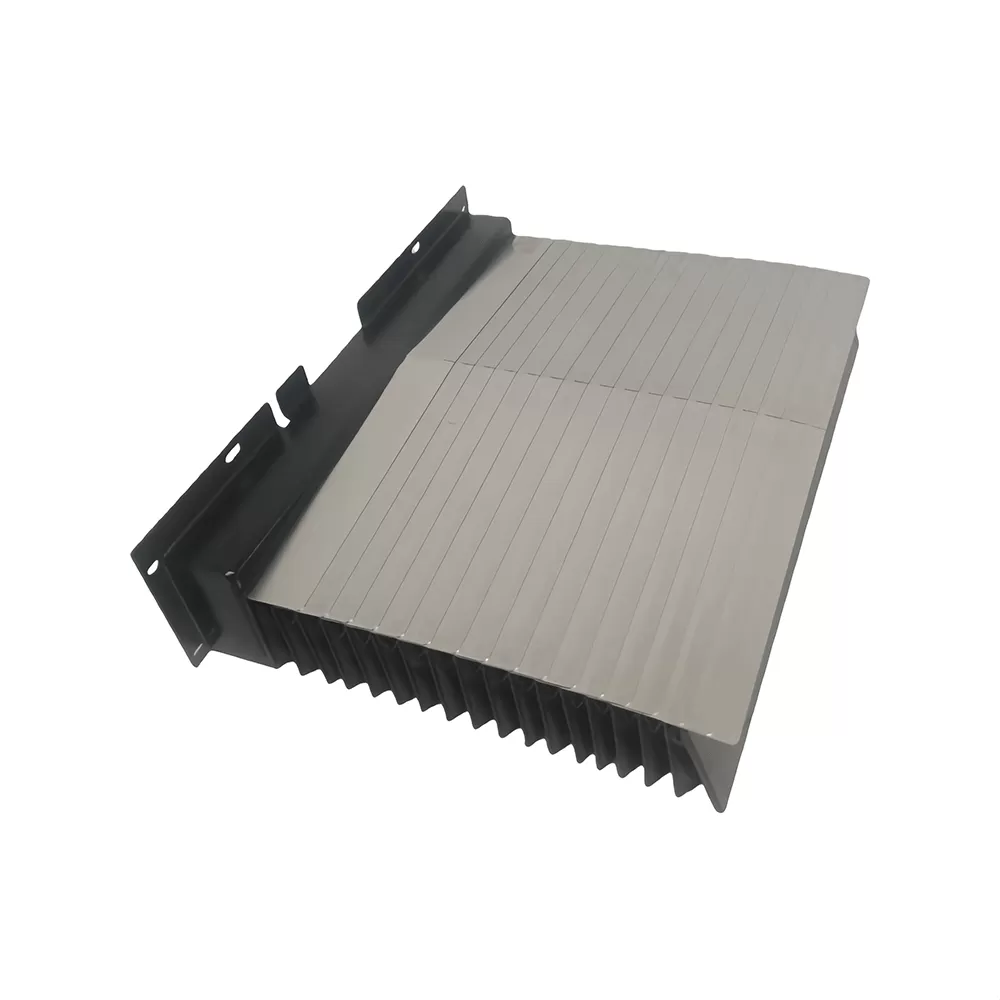
In modern manufacturing, the precision of a CNC machine tool depends directly on the integrity of its guidance systems. Linear guideways, box ways, and sliding surfaces must maintain precise contact to ensure positioning accuracy. However, the machining environment is inherently hostile, characterized by hot metallic chips, abrasive ceramic dust, and chemically aggressive water-miscible coolants. To prevent these contaminants from migrating under the sliding carriage, high-grade way wipers for machine tools are positioned as the first line of defense.
Without effective wiping systems, fine particulate matter mixes with way lubrication oil, transforming a clean lubricant into an abrasive grinding paste. This paste causes rapid scoring of the induction-hardened bedways, leading to stick-slip effects, loss of geometric accuracy, and eventually, expensive rebuilds. Implementing high-quality way wipers for machine tools is a standard practice to maintain machine uptime and protect long-term capital investments.
The Mechanics of Guide Way Contamination and Wear
The Mechanism of Chip Ingress
During high-speed milling or turning operations, metal scrap and hot chips are projected at high velocities. When these chips land on the exposed guide ways, they present both thermal and mechanical hazards. If a wiper fails to deflect these chips, the moving slide pushes them along the track. The chips can wedge beneath the wiper lip, creating deep scratches along the precision-ground guide surfaces. This action compromises the hydrodynamic oil film required for smooth axis movement, increasing friction and motor load.
Chemical Attack and Elastomer Degradation
Modern metalworking fluids are complex chemical mixtures containing surfactants, extreme-pressure additives, biocide packages, and corrosion inhibitors. These formulations can be highly aggressive toward standard elastomers. When improper wiper materials are exposed to these synthetic or semi-synthetic coolants, they often undergo hydrolytic degradation, swelling, or hardening. A hardened wiper lip loses its elasticity, creating gaps that allow fine dust and coolant to pass. Conversely, a swollen lip exerts excessive friction on the guide rail, wiping away the necessary lubricant film and causing dry sliding conditions.
Structural Design Configurations of Way Wipers
Industrial machinery utilizes different slideway geometries, requiring specific wiper configurations to handle the varying scraping demands.
Solid Elastomer Wipers: Molded from polyurethane or nitrile rubber, these are used primarily on linear recirculating ball or roller guides. They rely on the inherent elasticity of the polymer to maintain a consistent sealing pressure against the rail profile.
Metal-Sheathed Wipers: These feature an elastomeric scraping lip bonded to or enclosed within a steel or aluminum backing plate. The metal casing provides structural rigidity, preventing the wiper from twisting or distorting under heavy chip loads. They are highly suitable for heavy-duty box way applications.
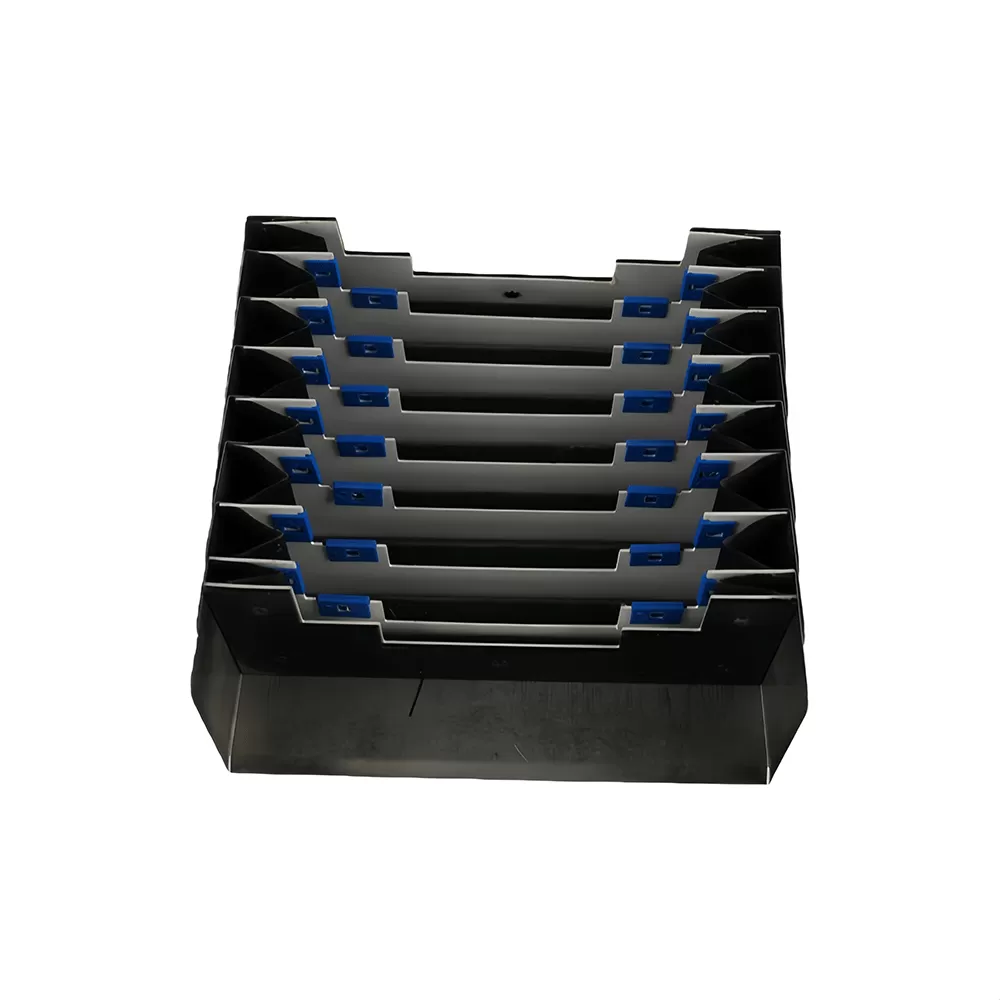
Telescopic Cover Integrated Wipers: Positioned on the individual boxes of telescopic steel way covers, these wipers scrape chips off the sheet metal panels as they collapse and extend. They require high abrasion resistance and low friction coefficients to prevent binding of the telescopic system.
Spring-Loaded and Pre-Tensioned Systems: For larger, heavy-duty sliding ways, wipers are often equipped with adjustable spring-loaded scrapers. This allows maintenance technicians to adjust the contact force over time, compensating for gradual lip wear.
Material Selection: Balancing Wear Resistance and Chemical Inertness
The selection of the wiper lip material determines the longevity and efficiency of the sealing system. Engineers must analyze the operating environment, speed, and coolant chemistry before finalizing a material specification.
| Material Type | Hardness (Shore A) | Chemical Resistance | Primary Application |
|---|---|---|---|
| Polyurethane (PU) | 85 - 95 | Excellent in mineral oils; moderate in synthetic coolants | High-speed linear guides, abrasive environments |
| Nitrile Rubber (NBR) | 70 - 80 | Good overall oil resistance; susceptible to ozone aging | General-purpose slideways, light chip loads |
| Fluorocarbon (FKM) | 75 - 85 | Exceptional resistance to aggressive chemicals and high heat | Heavy duty machining with highly alkaline coolants |
| Brass / Stainless Steel (Scrapers) | N/A (Metallic) | Excellent; impervious to chemicals | Pre-wiping heavy, hot metal chips before the elastomer lip |
Polyurethane Formulations
High-performance polyurethane is often the preferred material for demanding applications due to its high tensile strength and tear resistance. However, standard polyurethane is susceptible to hydrolysis when exposed to water-based coolants at elevated temperatures. Specialized, hydrolysis-resistant polyurethane grades are required to prevent premature softening of the scraping edge. Under heavy cutting loads, the choice of way wipers for machine tools directly affects the positioning repeatability of the axis, making stable polyurethane formulations crucial.
Metallic Scraper Integration
In machining scenarios involving cast iron, brass, or steel milling, hot, sharp chips can melt directly into plastic wipers. To mitigate this, a dual-lip design is employed: a metallic scraper blade (typically brass or spring steel) is positioned in front of the polyurethane lip. The metal blade removes the bulk of the hot chips and heavy debris, while the trailing elastomer lip wipes away the fine particles, coolant, and dust.
Custom Profiles and Geometries of Way Wipers for Machine Tools
Standard off-the-shelf linear guide wipers do not fit every custom machine tool design. Specialized slideways, combined box-and-vee ways, and non-standard geometric rails require custom-engineered profiles to ensure complete contact along the entire perimeter.
At QUNHUI, we utilize advanced vulcanization techniques to bond high-grade elastomers to rigid steel backings, manufacturing bespoke wipers that conform exactly to complex cross-sections. Custom mold manufacturing ensures that the wiping lip maintains uniform pressure across flat, vertical, and angled surfaces, preventing localized gaps that could let fine particles pass through. Proper geometry design prevents localized high-pressure zones, which could otherwise strip the vital oil film from the slideway surface.
For maintenance managers, replacing way wipers for machine tools regularly prevents costly scoring of the induction-hardened bedways. When designing custom profiles, engineers must calculate the optimal deflection of the elastomer lip. Too little deflection results in poor wiping performance, while too much deflection increases friction, leads to stick-slip, and accelerates wear on both the wiper and the machine guideways.
Installation, Alignment, and Preventive Maintenance Guidelines
Even the highest-quality wiper will fail prematurely if installed incorrectly. Proper alignment and maintenance protocols are necessary to maximize the service life of both the wiper and the guidance system.
Pre-Tensioning and Alignment
When mounting new wipers, technicians must ensure even pre-tensioning along the entire length of the blade. Uneven tightening of mounting screws can cause the backing plate to bow, creating high-pressure points and gaps. The use of torque wrenches and progressive tightening sequences is highly recommended. The scraping lip should show a uniform, slight deflection against the way surface.
Regular Inspection Protocols
Wiper inspection should be integrated into routine preventive maintenance checklists. Operators should inspect the wipers for the following signs of degradation:
Fraying or Nicking of the Wiping Edge: Caused by sharp metal chips passing under pressure.
Hardening or Cracking: An indication of chemical incompatibility with the machine coolant.
Excessive Swelling: Caused by absorption of solvents or oils, leading to high sliding resistance.
Accumulation of Fine Sludge: Debris gathering behind the wiper indicates that the lip is no longer making proper contact.
How QUNHUI Addresses High-Speed Machining Demands
Modern machine tools operate at high rapid-traverse speeds, often exceeding 60 meters per minute. These speeds generate significant friction-induced heat at the wiper lip. QUNHUI develops specialized sealing profiles designed to withstand these thermal loads. Our manufacturing processes utilize precision vulcanization tooling to ensure consistent bonding between the steel carrier and the polyurethane compound, preventing delamination under rapid acceleration and high-cycle conditions.
Furthermore, QUNHUI conducts material compatibility testing to evaluate how our elastomer formulations react with common industrial coolants. This testing helps ensure that our products retain their mechanical properties, flexibility, and scraping efficiency over extended operational periods, reducing the frequency of unplanned maintenance shutdowns.
Selection Checklist for B2B Procurement
When sourcing replacement wipers or designing new machinery, procurement and engineering teams should evaluate the following parameters:
Guideway Type: Box way (flat/V-way) or linear recirculating guideway.
Coolant Chemistry: Water-miscible (soluble oil, semi-synthetic, synthetic) or neat cutting oil.
Chip Load and Type: Fine abrasive dust (grinding), continuous stringy chips, or hot heavy chips (milling/turning).
Operational Speed: Maximum feed rates and rapid traverse velocities.
Space Constraints: Mounting envelope dimensions and allowable overhang.
Conclusion and Commercial Inquiry
The performance of any high-precision machine tool relies on the constant protection of its sliding and rolling elements. Selecting high-durability way wipers is a cost-effective strategy to prevent premature wear, maintain machining tolerances, and avoid unscheduled downtime. Proper material selection, tailored profiles, and structured maintenance are the keys to long-term guideway protection.
As an established industrial manufacturer, QUNHUI provides engineered way protection solutions tailored to your specific CNC machinery configurations. Whether you require standard linear guide seals or custom-molded wipers for unique box-way geometries, our engineering team can support your requirements. Please contact the engineering team at QUNHUI today to submit your technical drawings, request a material compatibility analysis, or receive a detailed quotation for your production and maintenance needs.
Frequently Asked Questions
Q1: How often should way wipers on CNC machines be replaced?
A1: Replacement intervals depend heavily on the machine's duty cycle and the abrasiveness of the chips. In high-production environments with dual-shift operations, way wipers should be inspected monthly and typically replaced every 6 to 12 months to prevent wear on the guideway surface.
Q2: Can I use standard polyurethane wipers with water-based coolants?
A2: Standard polyurethane is prone to hydrolytic degradation when continuously exposed to warm, water-based coolants, which can lead to softening and crumbling. For these applications, it is necessary to specify a hydrolysis-resistant polyurethane formulation or fluorocarbon (FKM) elastomer.
Q3: What causes the stick-slip effect in machine tool slides, and can wipers fix it?
A3: Stick-slip occurs when static friction is higher than dynamic friction, often caused by a lack of proper lubrication or high contact pressure from swollen, worn-out wipers. Replacing degraded wipers and adjusting the lip pre-tension can restore proper lubrication and help eliminate stick-slip.
Q4: Why is a metallic scraper blade used alongside an elastomer wiper?
A4: A metallic scraper (usually brass or stainless steel) is positioned ahead of the elastomer wiper to mechanically deflect hot, sharp metallic chips that could otherwise melt into or tear the softer elastomer lip. The elastomer wiper then follows to wipe away fine dust and liquid coolant.
Q5: Can way wipers be customized for older or obsolete machine tool models?
A5: Yes. Custom manufacturing processes allow for the production of way wipers based on physical samples, CAD drawings, or dimensional schematics of older or obsolete box ways, ensuring that legacy machines can be kept in service with modern sealing standards.