
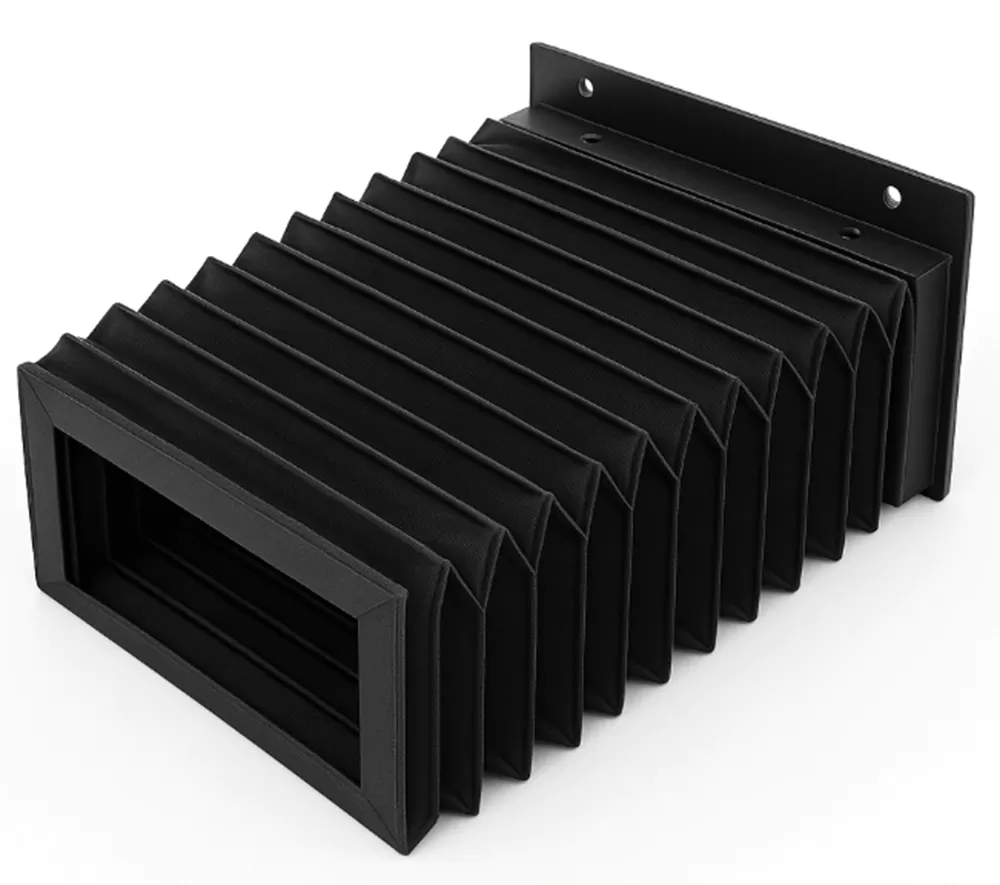
In modern high-precision manufacturing, maintaining the structural integrity and operational accuracy of CNC machine tools is a constant challenge. Among the various components designed to protect these complex systems, telescopic steel way covers serve as a primary shield for linear guideways, ball screws, and encoders. However, the performance of these protective covers relies heavily on a small but vital component: the wiper system. Indeed, the operational efficiency of cnc way cover wipers directly influences the lifespan of the machine's internal guiding components by preventing the ingress of abrasive particulates, hot metallic chips, and chemically active coolants.
This analysis examines the mechanical functions, material compositions, degradation factors, and maintenance procedures associated with way cover wipers. It also provides guidance for procurement and engineering departments looking to minimize machine downtime through correct component selection.
The Mechanics of Guideway Protection
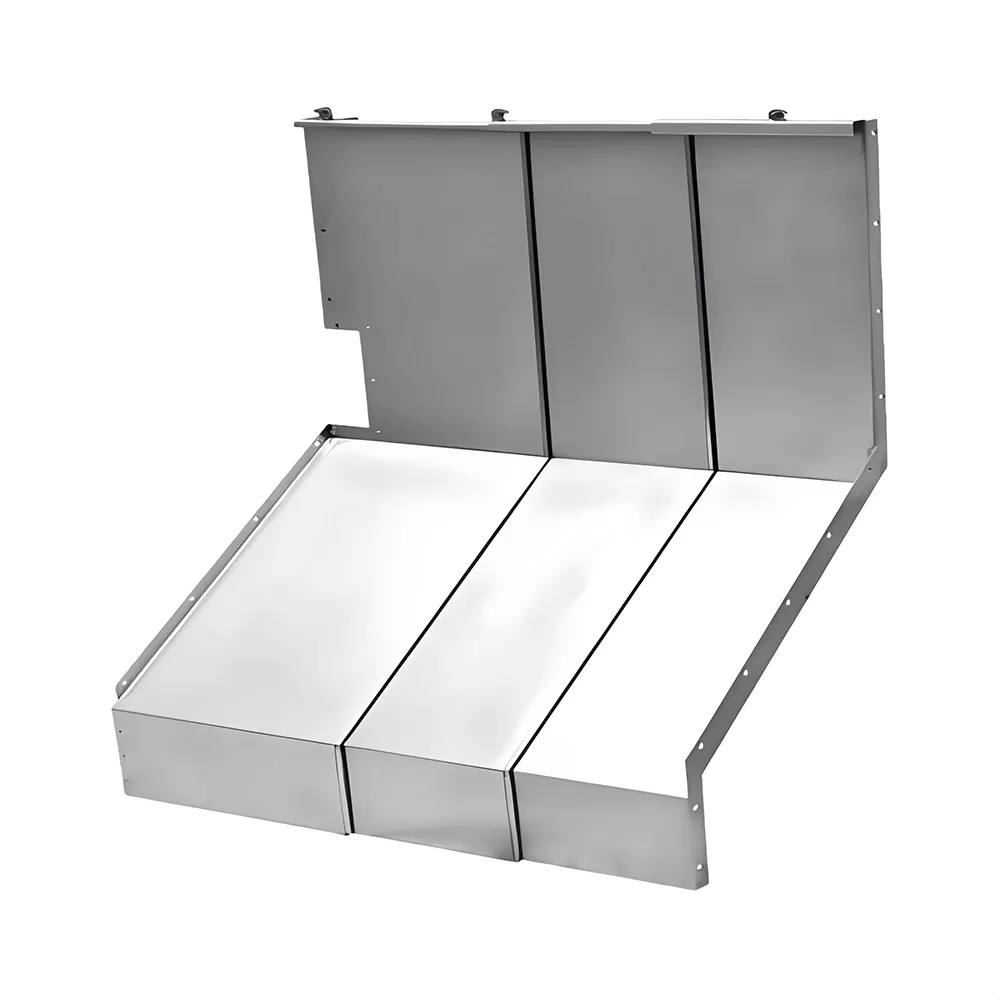
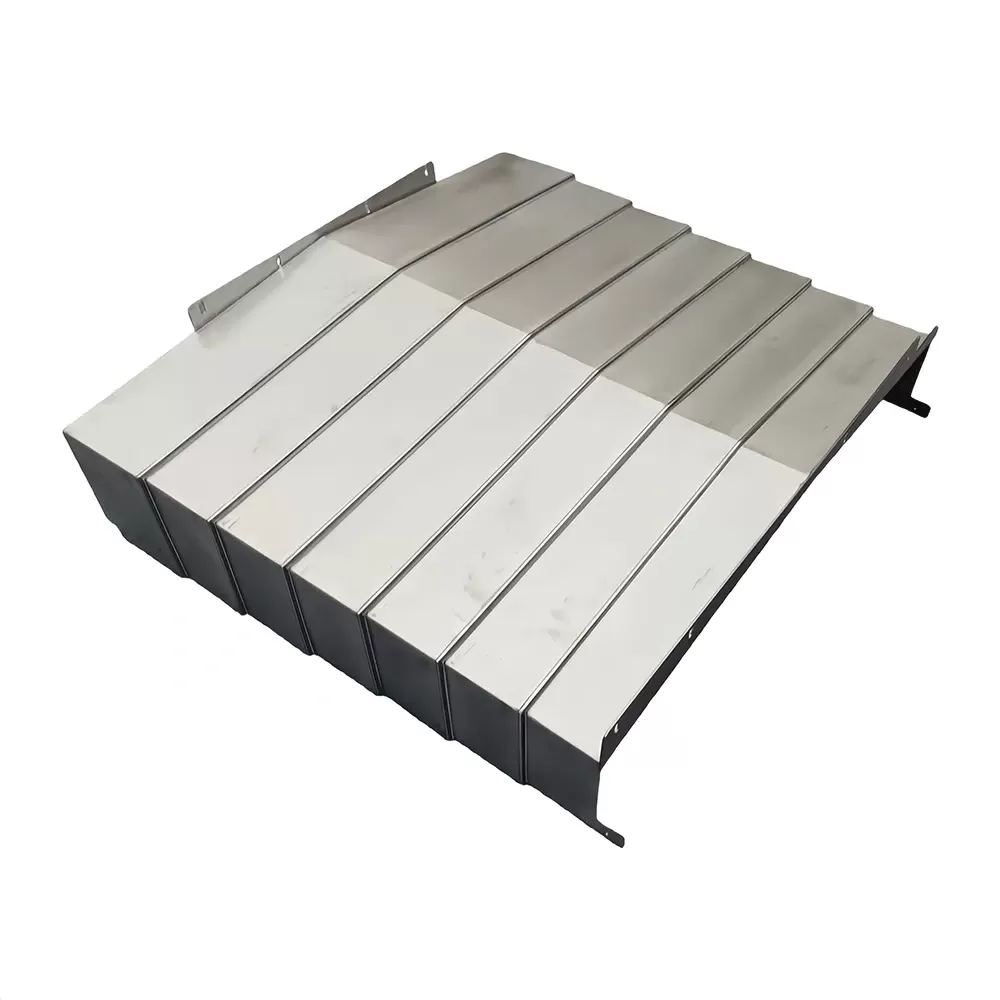
Telescopic way covers consist of multiple overlapping steel sheets that compress and extend as the machine tool moves along its axes. As these plates slide over one another, a gap naturally exists between the overlapping sections. Without a sealing mechanism, fine metal shavings, abrasive grinding dust, and liquid coolants would easily penetrate these gaps, contaminating the high-precision linear guides and ball screws underneath.
This is where the wiper comes into play. Mounted to the leading edge of each telescopic segment, the wiper maintains continuous, uniform pressure against the surface of the preceding plate. The mechanical action involves several specific processes:
Scraping Action: As the telescopic box retracts, the wiper lip physically pushes away larger debris, such as hot steel, aluminum, or cast iron chips.
Sealing Action: During both expansion and retraction, the elastomer profile of the wiper acts as a squeegee, wiping away fine dust, carbon particles, and liquid cutting fluids.
Pre-tensioning: To function correctly, the wiper must maintain a precise level of contact pressure (pre-tension) against the steel cover plate. Too little pressure allows fine particles to pass underneath; too much pressure increases friction, accelerating wiper wear and demanding more power from the axis drive motors.
Material Science: Elastomers and Scrapers
Selecting appropriate materials for cnc way cover wipers depends on the specific operating environment of the machine tool. A wiper profile typically consists of a rigid support frame (made of steel, stainless steel, or brass) and a flexible wiping lip made from a specialized elastomer. In environments with heavy chip loads, an additional metal scraper is often mounted in front of the elastomer lip.
Polyurethane (PU)
Polyurethane is the most common elastomer used for standard machining applications. It offers exceptional mechanical properties, including high abrasion resistance, tear strength, and elasticity. Typically formulated with a Shore A hardness rating between 80 and 90, polyurethane effectively resists wear from sliding friction. However, standard polyurethane can degrade when exposed to certain water-soluble coolants or ester-based synthetic lubricants over long periods, leading to hydrolysis or swelling.
Nitrile Butadiene Rubber (NBR)
For applications where mineral oil-based coolants and lubricants are dominant, NBR is a highly effective choice. NBR provides excellent resistance to oils and grease, maintaining its structural properties without excessive swelling. However, its mechanical wear resistance and tear strength are generally lower than those of polyurethane, making it less suitable for high-abrasion environments with sharp, dry chips.
Fluorocarbon Rubber (FKM / Viton)
When CNC machines operate at high temperatures or utilize highly aggressive synthetic coolants and chemical solvents, FKM is preferred. It offers superior thermal stability and chemical resistance. The primary limitation of FKM is its high cost and slightly lower mechanical tear resistance compared to polyurethane, meaning it is usually reserved for demanding chemical and thermal environments.
Dual-Component and Metal-Reinforced Systems
To address the combined challenges of hot chips and liquid sealing, many advanced systems utilize a multi-stage approach. A brass or stainless steel pre-scraper is mounted on the leading edge to deflect large, hot chips that could melt or cut an elastomer. Directly behind this metal scraper sits a flexible polyurethane lip to wipe away the remaining micro-particles and coolant. Manufacturers like QUNHUI specialize in fabricating these multi-layered sealing profiles to ensure maximum protection under diverse cutting conditions.
Environmental Degradation Factors
Understanding how wipers fail is necessary for preventing unexpected machine downtime. The environment inside a CNC machining center is highly destructive, subjecting components to simultaneous physical and chemical stress.
1. Tribological Wear and Abrasion
Continuous sliding contact between the elastomer lip and the steel way cover causes gradual material loss. This wear is accelerated when fine, abrasive particles—such as ceramic dust, cast iron micro-chips, or grinding wheel grit—become embedded in the wiper lip, turning the wiper itself into an abrasive tool that can score the steel way covers.
2. Thermal Degradation
In heavy milling and turning operations, metal chips carry away a significant portion of the heat generated during cutting. When these hot chips (often exceeding 300°C) land directly on the way covers and slide against the wiper during axis movement, they can cause localized melting or hardening of the elastomer lip. Once hardened, the lip loses its flexibility and can no longer seal against the steel plate.
3. Chemical Attack and Hydrolysis
Modern metalworking fluids are complex chemical mixtures containing surfactants, emulsifiers, biocides, and corrosion inhibitors. Water-based coolants can cause polyurethane to undergo hydrolysis—a chemical reaction where water molecules break the polymer chains. This results in the elastomer softening, losing its structural strength, and eventually crumbling away.
Custom Profiles and Geometries
Because telescopic way covers are custom-designed for specific machine tools, designing cnc way cover wipers requires deep attention to geometry. There is no single standard profile that fits every machine. Wipers must accommodate different plate thicknesses, angular transitions, and space constraints within the machine envelope.
Common geometric configurations include:
Flat Wipers: Simple linear profiles used for straight, horizontal, or vertical cover segments. They are often bolted or spot-welded to the cover plates.
Molded Corner Wipers: Telescopic covers have sharp corners and angles. Standard linear wipers cannot seal these transitions effectively. Molded corners are designed to match the exact profile of the cover box, preventing coolant from bypassing the seals at the joints.
Miniature Profiles: Used in compact CNC machines or Swiss-type lathes where space is highly limited and the telescopic plates have minimal clearance.
To meet these diverse needs, engineering teams often rely on specialized manufacturers. For instance, QUNHUI develops custom-engineered wiper profiles tailored to specific axis geometries, ensuring that even complex telescopic configurations maintain complete sealing integrity throughout their travel range.
Maintenance, Inspection, and Replacement Protocols
Wipers are wear items and must be treated as consumable components within a preventive maintenance program. Failing to replace worn cnc way cover wipers is a common cause of premature linear guide failure, which can cost thousands of dollars in replacement parts and labor.
Inspection Indicators
During routine maintenance cycles, technicians should inspect the way covers for the following warning signs:
Coolant Seepage: The presence of cutting fluid or fine sludge on the inner surfaces of the telescopic plates indicates that the wiper lip is no longer maintaining adequate contact pressure or has degraded chemically.
Physical Deformation: Visually inspect the elastomer lip for signs of swelling, cracking, tearing, or permanent hardening.
Scored Way Covers: Lines or grooves worn into the steel telescopic plates suggest that abrasive particles have become embedded in the wiper lip or that a metal pre-scraper has become misaligned.
Chattering or Noise: High-pitched squealing or jerky movement during axis travel can indicate dry, worn-out wipers that are causing excessive stick-slip friction against the steel plates.
Replacement Steps
When replacing wipers, care must be taken to maintain the alignment of the telescopic cover plates:
Disassembly: Carefully remove the telescopic cover segments from the machine tool and separate the boxes.
Cleaning: Thoroughly clean all metal surfaces, removing old grease, dried coolant residue, and metal chips.
Removal: Remove the old wiper. Depending on the design, this may involve unscrewing mounting bolts, drilling out rivets, or sliding the wiper out of a retaining channel.
Fitting the New Wiper: Cut the new wiper profile to the exact length required. For mitered corners, ensure precise cutting angles to prevent gaps. If using weld-on styles, use low-heat spot welding to avoid warping the steel cover plate.
Pre-tension Adjustment: Mount the wiper so that the elastomer lip is compressed slightly against the mating surface. This pre-tension must be uniform across the entire width of the cover.
Lubrication and Reassembly: Apply a thin layer of machine way lubricant to the sliding surfaces before reassembling the telescopic boxes. This initial lubrication helps protect the new elastomer lip during its first operating cycles.
Supplier Collaboration and Quality Control
For industrial procurement managers, sourcing high-quality replacement parts is crucial for long-term operational efficiency. Low-grade aftermarket wipers often fail prematurely due to inferior elastomer formulations, leading to higher overall maintenance costs despite a lower initial purchase price.
Partnering with established manufacturers like QUNHUI ensures that replacement components are produced to precise dimensional tolerances and utilize elastomer compounds engineered to withstand modern synthetic cutting fluids. When sourcing wipers, it is highly recommended to provide the supplier with detailed drawings, information on the specific coolant types used in the facility, and typical chip load data to ensure the selected material profile matches the application demands.
Frequently Asked Questions
Q1: How often should CNC way cover wipers be replaced?
A1: The replacement interval varies greatly depending on the duty cycle of the machine, the type of material being machined, and the coolant chemistry. In high-production environments running three shifts, wipers should be inspected monthly and typically replaced every 6 to 12 months. In lighter toolroom applications, they may last several years.
Q2: Can I use standard rubber strip material to make my own way cover wipers?
A2: It is generally not recommended. Standard commercial rubber sheets lack the specific abrasion resistance, shore hardness, and chemical resistance required to withstand hot metallic chips and industrial coolants. Additionally, commercial strips do not have the pre-formed metal backing profiles needed to maintain correct and uniform pre-tension across the steel plates.
Q3: What is the difference between polyurethane and NBR wipers in terms of chemical resistance?
A3: NBR offers excellent resistance to mineral oils and grease but has moderate resistance to water-based coolants and lower mechanical wear resistance. Polyurethane provides superior mechanical strength, tear resistance, and scraping capability, but standard formulations can suffer from hydrolytic degradation when continuously exposed to hot, water-soluble cutting fluids.
Q4: Why are metal pre-scrapers used alongside elastomer wipers?
A4: Metal pre-scrapers (often made of brass or stainless steel) act as a primary barrier. They deflect large, sharp, and hot metal chips before they reach the flexible elastomer lip. This prevents the hot chips from melting or cutting the softer sealing material, which is left to wipe away the finer dust and liquid coolant.
Q5: Are custom profiles required when replacing worn cnc way cover wipers on older machinery?
A5: Yes, because older or legacy machines often feature proprietary telescopic cover designs with specific geometry and clearances. Standard off-the-shelf wiper profiles may not provide the correct mounting height or pre-tension, leading to either insufficient sealing or excessive friction. Providing original drawings or cross-sectional samples to a custom manufacturer ensures a correct fit.
Request a Technical Consultation
Protecting your CNC machinery investment requires reliable components designed for demanding industrial environments. If your facility is experiencing frequent way cover failures, accelerated linear guide wear, or coolant ingress issues, our engineering team can assist you. Contact us today to discuss your specific machining challenges, submit your custom profile drawings, and receive a detailed quote for replacement solutions tailored to your operational requirements.