
Alternative Titles: 1. 5 Mechanical Factors for Selecting Slideway Protection in High-Speed Machine Tools 2. Why Do Telescopic Steel Slideway Covers Fail, and How Can You Prevent It? 3. How Engineered Telescopic and Bellows Systems Protect Machine Tool Slideways Meta Description: Discover how engineered way covers protect CNC linear guides from hot chips and abrasive coolants. Learn about design, materials, and maintenance.
Engineering Guide to Slideway Protection in Precision Machining
Modern manufacturing environments subject machine tools to intense physical demands. High-speed machining generates high-temperature metal swarf, abrasive particulates, and pressurized chemical coolants, all of which threaten the structural integrity of precision linear guideways. Protecting these components is a primary concern for machine tool builders and maintenance engineers. This is where high-quality cnc machine way covers play a fundamental role, serving as robust physical barriers that isolate sensitive positioning systems from the harsh machining zone.
Without adequate shielding, fine particulate matter and chemical residues settle on the linear guide rails. This accumulation leads to abrasive wear, compromises accuracy, and causes premature component failure. QUNHUI develops customized mechanical protection systems engineered to withstand these demanding internal environments, ensuring long-term operational accuracy and minimizing unscheduled machine downtime.
The Impact of Contaminants on Machine Tool Accuracy
Precision machining relies on consistent, micron-level positioning. The slideways and ball screws responsible for this movement operate under strict tolerance limits. When foreign objects bypass protective barriers, the consequences are immediate and costly.
Abrasive Wear: Fine dust from cast iron, graphite, or composite machining acts as an abrasive paste when mixed with slide lubrication. This mixture scores the guide rails and erodes the bearing raceways.
Thermal Damage: Hot metal chips landing directly on bare linear rails transfer heat locally, causing uneven thermal expansion and distorting the geometric accuracy of the axis.
Chemical Corrosion: Water-soluble coolants and synthetic cutting fluids can attack the seal materials of linear guide blocks, leading to lubricant washout and subsequent metal-on-metal friction.
Mechanical Jamming: Large swarf nests can physically obstruct the movement of the machine axis, triggering over-current alarms in the servo motors and causing sudden emergency stops.
Implementing a systematic protective barrier is a cost-effective method to prevent these issues. The investment in robust protection is minor compared to the substantial costs associated with replacing damaged linear guides, ball screws, and the associated loss of production capacity.
Analysis of Protective Cover Configurations
Different machining operations and axis configurations require specific protective structures. Selecting the correct design involves balancing speed, space constraints, and the nature of the generated waste material.
Telescopic Steel Covers
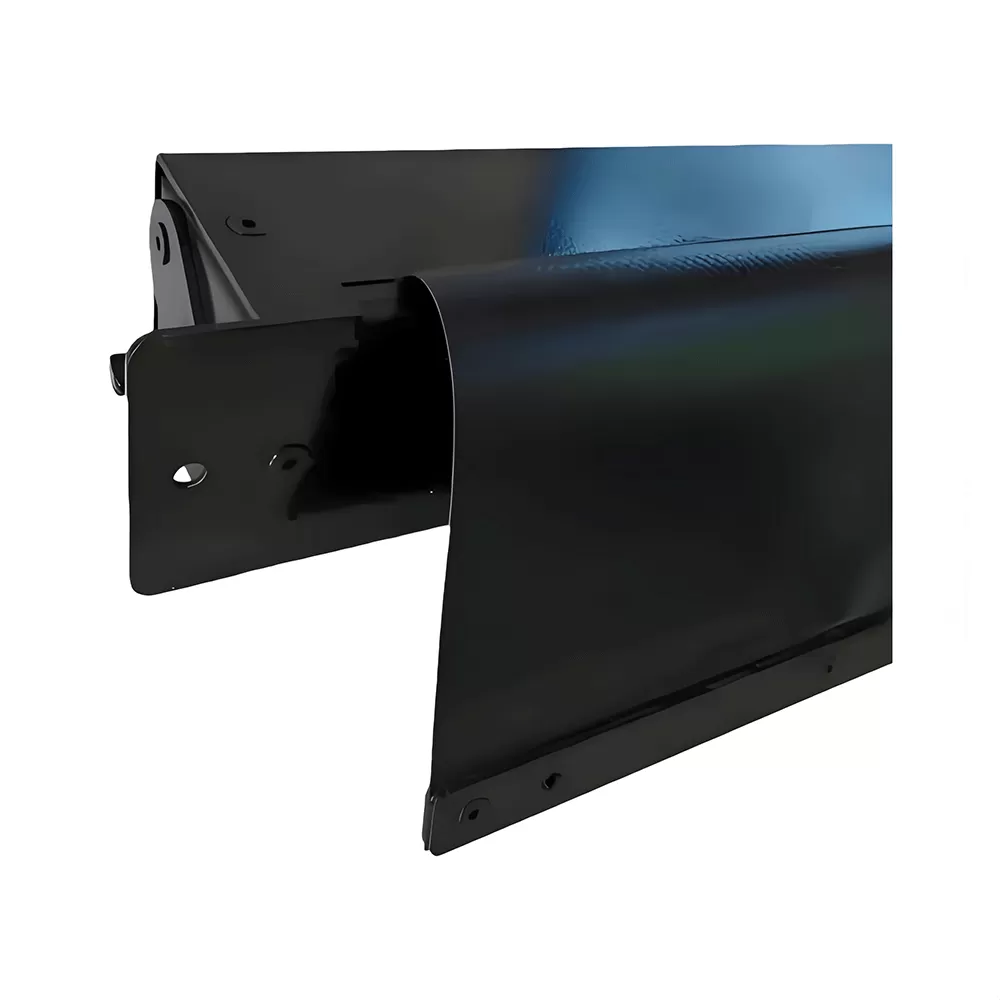
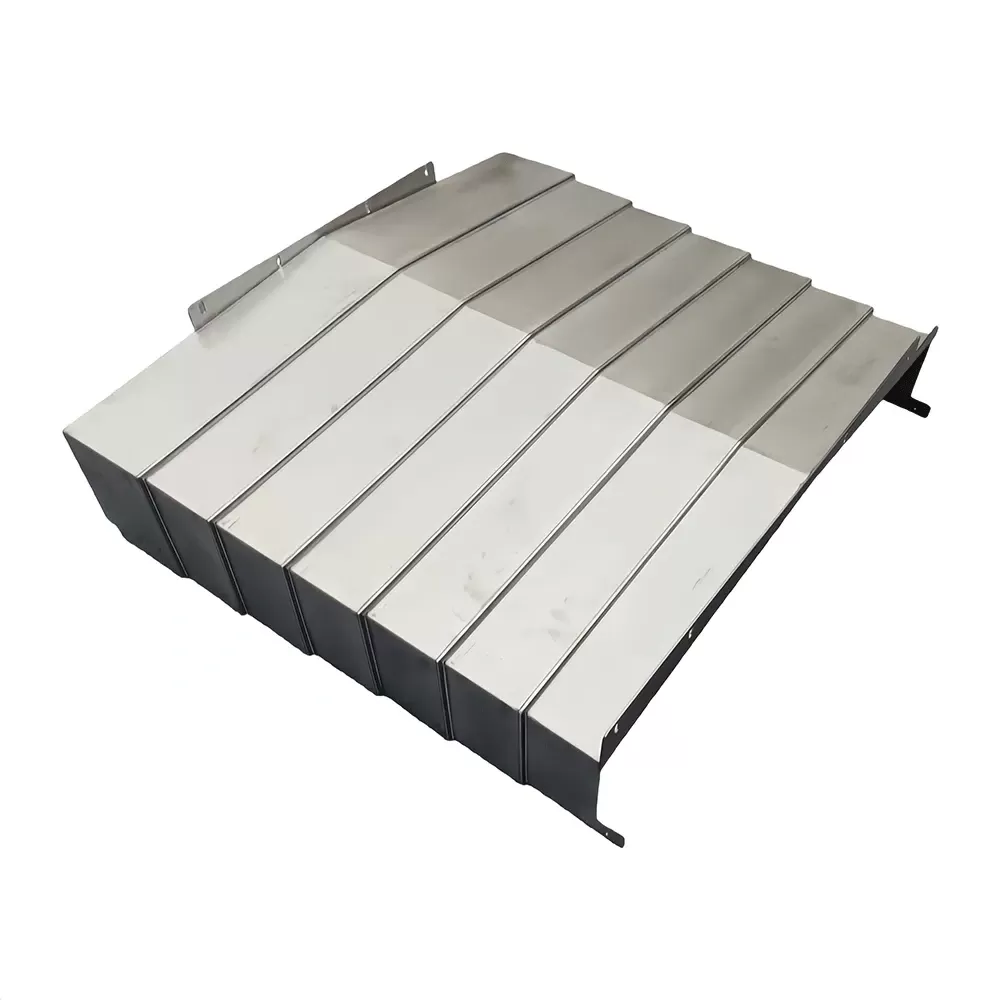
For heavy-duty milling, turning, and boring operations, telescopic steel covers represent the standard for durability. Constructed from nested cold-rolled or stainless steel sheets, these covers slide over one another to expand and compress with the movement of the machine axis.
The individual panels are supported by brass or synthetic guide shoes that ride along the machine bed. To prevent liquid and chip ingress between the overlapping plates, specialized wiper systems are mounted on the leading edge of each section. These wipers maintain constant pressure against the adjacent plate, scraping away debris as the cover compresses.
Flexible Accordion Bellows
When axis speeds are exceptionally high and space is limited, steel covers may be too heavy or bulky. Flexible accordion bellows offer a lightweight alternative. Constructed from polyurethane-coated nylon, Kevlar, or heat-resistant fiberglass fabrics, these bellows are supported internally by rigid PVC or aluminum frames.
Bellows are highly suited for high-speed linear motor axes, laser cutting machines, and coordinate measuring machines. They provide excellent protection against fine dust and liquid splashes, though they are susceptible to damage from sharp, heavy metal chips unless equipped with protective stainless steel laminates on their top surfaces.
Apron and Roll-Up Covers
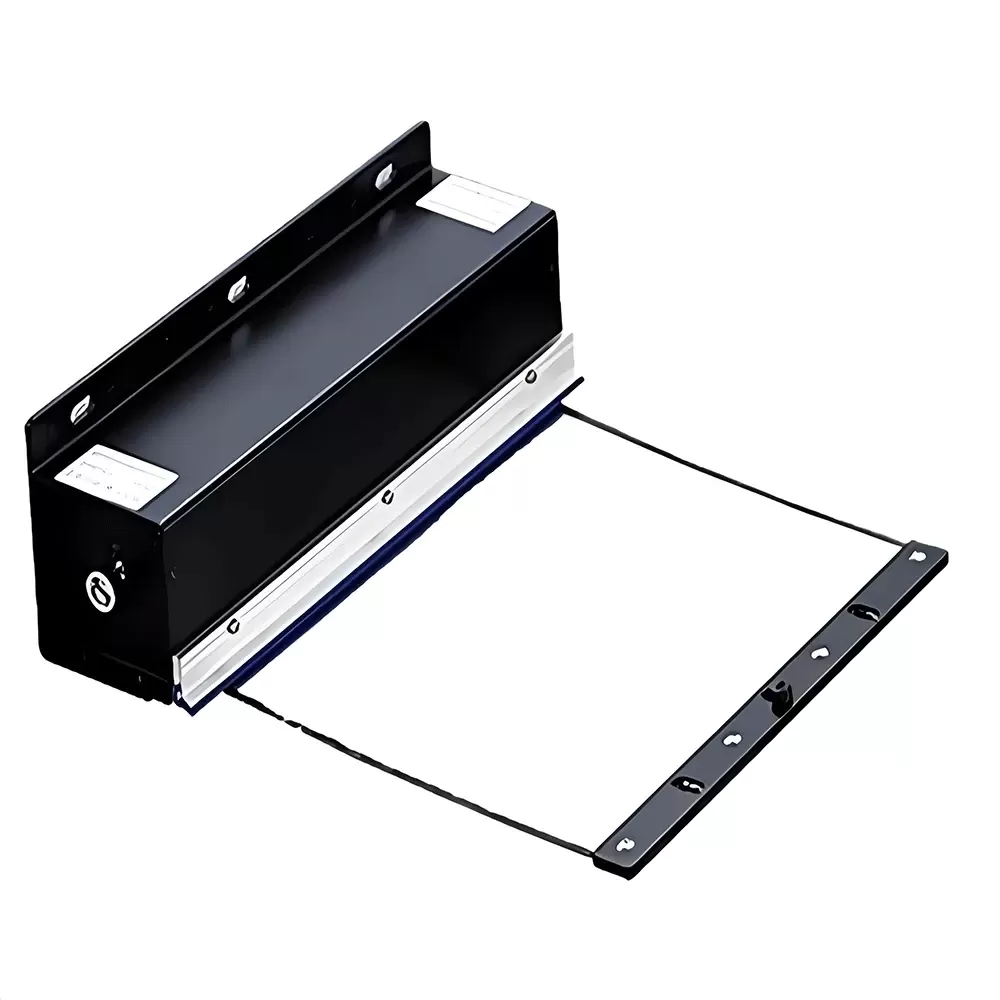
For machines with severe space limitations where a traditional telescopic cover cannot compress sufficiently, apron or roll-up covers provide a viable solution. Apron covers consist of linked aluminum or stainless steel slats that drape over the guideway or roll up onto a spring-loaded drive drum. While they do not provide a hermetic seal against fine coolant mist, they are highly effective at deflecting large chip volumes in vertical configurations.
Engineering Design Parameters for Custom Manufacturing
Designing custom protective systems requires a thorough evaluation of the machine’s operational parameters. A mismatch between cover capability and machine performance leads to rapid mechanical wear.
Speed and Acceleration Dynamics
A primary factor in the design and selection of cnc machine way covers is mechanical speed. As modern CNC machines push rapid traverse rates beyond 60 meters per minute and acceleration rates past 1G, the inertial forces acting on telescoping panels increase exponentially.
Under these dynamic conditions, traditional steel covers can suffer from severe impact forces when the panels extend or compress rapidly. To mitigate this, engineers integrate pantograph systems or heavy-duty damping springs. Pantographs mechanically link the individual panels, ensuring they expand and retract uniformly and preventing the violent "clashing" that occurs when individual sections reach their mechanical limits limits sequentially.
The following table outlines the typical application ranges for different protective systems based on speed and environmental factors:
| Cover Type | Maximum Speed | Maximum Acceleration | Primary Application Environment |
|---|---|---|---|
| Standard Telescopic Steel | 30 m/min | 0.5 G | Heavy milling, high chip load, heavy coolant flow |
| High-Speed Telescopic (with Pantographs) | 80 m/min | 1.5 G | High-speed horizontal machining centers, mold-making |
| Laminated Fabric Bellows | 120 m/min | 2.0 G | Laser cutters, high-speed linear guide axes, dry machining |
| Metal Slat Apron Covers | 40 m/min | 0.8 G | Vertical lathe beds, tight cross-slide spaces |
Spatial Envelope and Compression Ratios
Every machine tool has a finite physical envelope. Designers must calculate the ratio of the cover’s fully extended length ($L_{max}$) to its compressed length ($L_{min}$). This ratio determines how much travel length is lost to the compressed stack of cover panels.
To maximize the available travel on the linear axes, manufacturers utilize thin-gauge, high-tensile alloy steels and low-profile wiper carriers. This minimizes the $L_{min}$ dimension without sacrificing the structural stiffness needed to support operators who may stand on the covers during part setup.
Material Selection and Manufacturing Integrity
The longevity of a protective cover is directly tied to the materials used in its construction. Leading manufacturers like QUNHUI employ high-grade structural steel and specialized synthetic elastomers to ensure reliable field performance.
The steel panels must feature high flatness tolerances and surface hardness to prevent binding and scratching. Typically, cold-rolled sheet steel with a thickness ranging from 1.5 mm to 3.0 mm is chosen. For corrosive environments involving highly acidic coolants or saline conditions, stainless steel (such as grade 304 or 316) is preferred.
The wiper blade is the most wear-prone component of any cover. It must remain compliant over millions of cycles while resisting chemical swelling. Common wiper materials include:
Polyurethane (PU): Offers excellent abrasion resistance and mechanical toughness, making it suitable for general milling applications with standard water-miscible coolants.
Fluoropolymer (Viton): Exhibiting superior chemical resistance, Viton is chosen for machines utilizing aggressive synthetic oils or operating at elevated temperatures.
Nitrile Rubber (NBR): A versatile and cost-effective option for standard oil-based coolant environments with moderate thermal loads.
Brass Scrapers: Often paired with a synthetic wiper, a rigid brass scraper pre-cleans the plate surface by physically dislodging baked-on hot chips and hardened varnish before the synthetic lip passes over.
Preventive Maintenance and Inspection Protocols
Way covers are dynamic mechanical assemblies that require periodic maintenance to function correctly. Neglecting these components allows coolant and chips to bypass the seals, leading to expensive internal machine damage.
Implementing structured preventive maintenance schedules for cnc machine way covers to prevent unexpected downtime is highly recommended. Daily maintenance should include a visual inspection to check for dented panels or damaged wiper lips. Operators should clear away large chip piles that accumulate on top of the covers, as these can be compressed into the wiper seals during axis homing cycles.
Weekly protocols should involve wiping down the cover panels with a clean cloth and applying a thin layer of machine oil to facilitate smooth sliding. Under no circumstances should operators use compressed air to blast chips off the covers, as the high pressure can force fine particles past the wiper seals and directly onto the precision linear rails underneath.
Every six months, a deeper inspection of the internal support rollers, brass guide shoes, and pantograph links is necessary. Worn rollers or shoes cause the steel panels to tilt, leading to binding, scratching, and increased load on the servo motors. Worn wiper blades should be replaced immediately; most modern designs feature bolt-on or slide-in wiper carriers to allow quick field replacement without completely dismantling the entire cover assembly.
Frequently Asked Questions
Q1: What are the primary signs that a telescopic way cover requires immediate repair or replacement?
A1: Clear indicators include visible denting or deformation of the steel panels, deep score marks running along the length of the plates, audible squealing or clanking noises during axis travel, and excessive coolant pooling on the linear rails beneath the cover structure.
Q2: How do pantograph systems improve the operation of high-speed steel way covers?
A2: Pantographs act as mechanical synchronizers. They link all the sliding panels together, ensuring that when the machine axis moves, all sections expand or contract at the same relative speed. This distributes the kinetic energy evenly and eliminates high-impact collisions between individual panels.
Q3: Can a fabric bellows cover be used in heavy metal cutting environments where hot chips are present?
A3: Yes, but only if they are equipped with stainless steel protective laminates. These metal tiles are fixed to the top surface of each bellows fold. They deflect hot, sharp chips and prevent them from melting or puncturing the underlying synthetic fabric.
Q4: Why is using compressed air to clean way covers discouraged by machine tool builders?
A4: Compressed air forces fine metal dust, scale, and abrasive particulate past the flexible wiper seals. Once forced underneath, these contaminants mix with the guideway lubricant, forming an abrasive paste that rapidly damages the linear guide blocks and ball screws.
Q5: What dimensional information is needed when measuring for replacement cnc machine way covers?
A5: To produce an accurate replacement, engineers require the maximum travel length, the minimum compressed space available on the machine bed, the overall width of the guideways, the height profile of the cross-slide, and the maximum operating speed and acceleration of the axis.
Engineering Consultation and Custom Manufacturing Services
Protecting the mechanical integrity of precision machine tools requires customized engineering solutions designed for specific operational environments. Off-the-shelf components rarely meet the precise space and dynamic requirements of high-performance CNC equipment.
The design team at QUNHUI specializes in analyzing operational parameters, chip characteristics, and space limitations to deliver customized cnc machine way covers engineered for your specific application. Whether you are upgrading an existing machine tool or designing a new industrial automation system, we provide detailed mechanical drawings and material specifications to ensure optimal protection.
To request a detailed quotation or to consult with our application engineers regarding your specific guideway protection requirements, please submit your detailed inquiries, including CAD drawings, speed profiles, and coolant specifications, directly to our technical sales team.