
In high-precision CNC machining, a single micrometer can represent the difference between a qualified part and a scrapped run. While operators often focus on spindle speeds, tooling paths, and coolant chemistry, one critical component silently dictates the longevity of these variables: the guideway protection system.
Abrasive particulate matter, high-temperature metal chips, and chemically aggressive cutting fluids present a constant threat to modern linear guides. Without adequate defense, the slide ways of a CNC lathe degrade rapidly, leading to positioning errors and costly maintenance cycles.
This guide analyzes how selecting and maintaining way covers for lathe installations directly affects machine geometry. We will explore the mechanics of way degradation, evaluate protection designs, and introduce a structured methodology for selecting optimal shielding solutions.
Understanding the Core Vulnerability of Modern Lathe Guideways
Modern CNC lathes operate at rapid traverse speeds often exceeding 30 meters per minute, with accelerations surpassing 1G. These high-dynamics environments generate significant friction and heat, making the preservation of the guideway surface critical to maintaining operational accuracy.
When hot metallic chips (often exceeding 700°C during heavy roughing) contact unprotected linear guides, they can cause localized thermal shock and surface pitting. Additionally, fine particulate matter from materials like cast iron or graphite acts as an abrasive paste when mixed with standard machine tool coolants.
Field data collected by industrial maintenance teams suggests that up to 40% of premature linear guide failures stem from particulate contamination. When the integrity of way covers for lathe systems is compromised, foreign particles bypass the primary wiper systems of the bearing blocks, causing internal scoring.
To mitigate these risks, manufacturers like QUNHUI design specialized protective barriers. These components must withstand continuous mechanical cycling while preventing liquid and solid contaminants from reaching the highly sensitive drive mechanisms of the lathe.
The T.O.R.Q.U.E. Framework for Way Cover Evaluation
To assist engineering and maintenance teams in evaluating protective systems, we have developed the T.O.R.Q.U.E. framework. This structured methodology assesses five critical dimensions of way cover performance under industrial operating conditions:
T - Thermal Resistance: The capacity of the cover material to withstand direct, continuous exposure to hot chips without deforming or degrading.
O - Operational Velocity: The ability of the cover assembly to expand and contract at or above the maximum rapid traverse speed of the lathe axes.
R - Resilience to Coolants: Chemically inert properties that prevent material degradation when exposed to synthetic, semi-synthetic, or water-soluble cutting fluids.
Q - Quick-Maintenance Design: Structural features that allow for rapid inspection, wiper replacement, and internal cleaning without requiring complete machine teardown.
U - Unified Alignment Engagement: The mechanical synchronization of individual cover segments to prevent binding, cocking, or uneven wear during asymmetrical load conditions.
Applying this framework during the machine specification phase helps ensure that the chosen protection method matches the exact operational envelope of your manufacturing facility.
Telescopic Steel vs. Bellows: Choosing the Right Protection
Selecting the appropriate style of way covers for lathe applications depends primarily on the machining environment, space constraints, and chip characteristics. The two most common designs are telescopic steel covers and flexible bellows systems.
| Performance Metric | Telescopic Steel Covers | High-Durability Bellows |
|---|---|---|
| Primary Material | High-tensile cold-rolled steel / Stainless steel | Polyurethane-coated fabrics / Kevlar blends |
| Maximum Speed Limit | Up to 45 m/min (with dampening elements) | Up to 120 m/min (highly dynamic) |
| Heavy Chip Resistance | Excellent (protects against heavy, sharp chips) | Moderate (requires metallic laminates/shields) |
| Compression Ratio | Moderate (requires significant park space) | Excellent (highly compact design) |
| Coolant Tightness | Dependant on wiper seal integrity | High (impermeable fabric options available) |
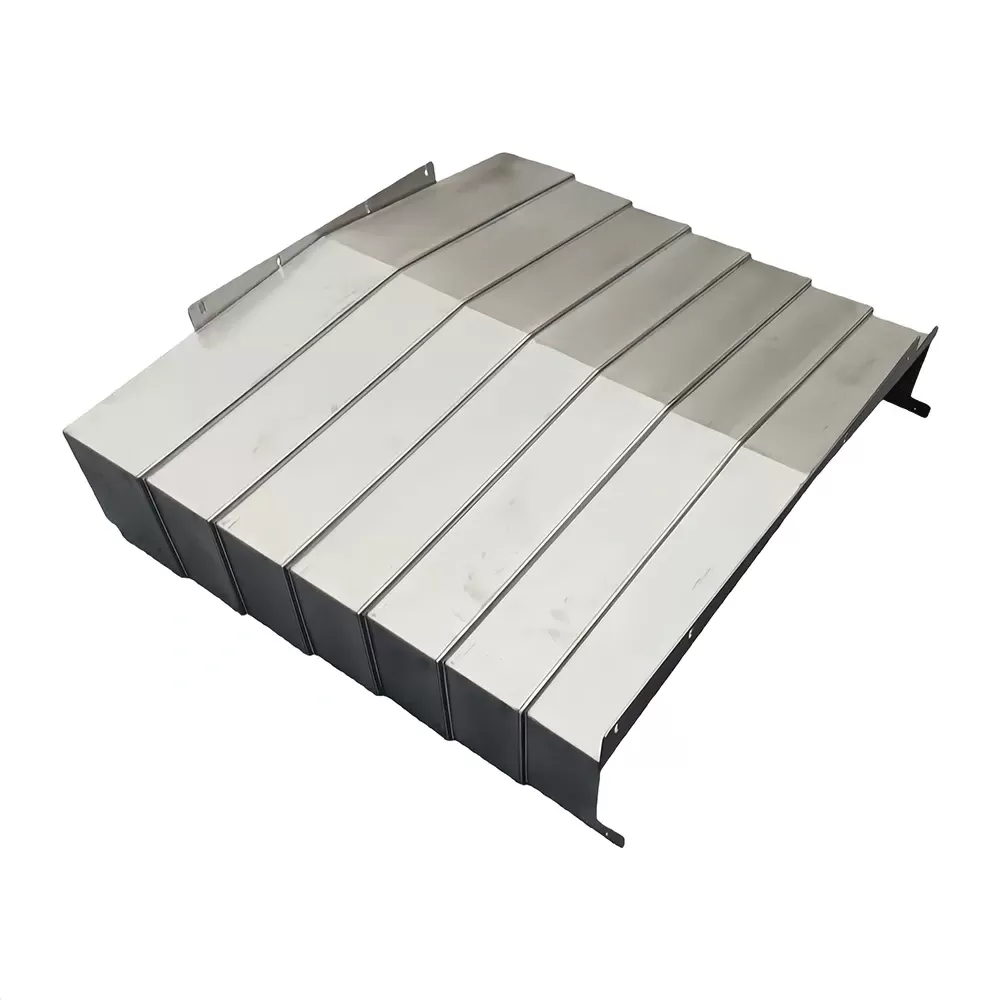
Telescopic steel covers are typically preferred for heavy-duty lathes where large volumes of hot steel, titanium, or aluminum chips are generated. These rugged assemblies utilize overlapping sheet metal plates and specialized synthetic wipers to scrape away debris during compression.
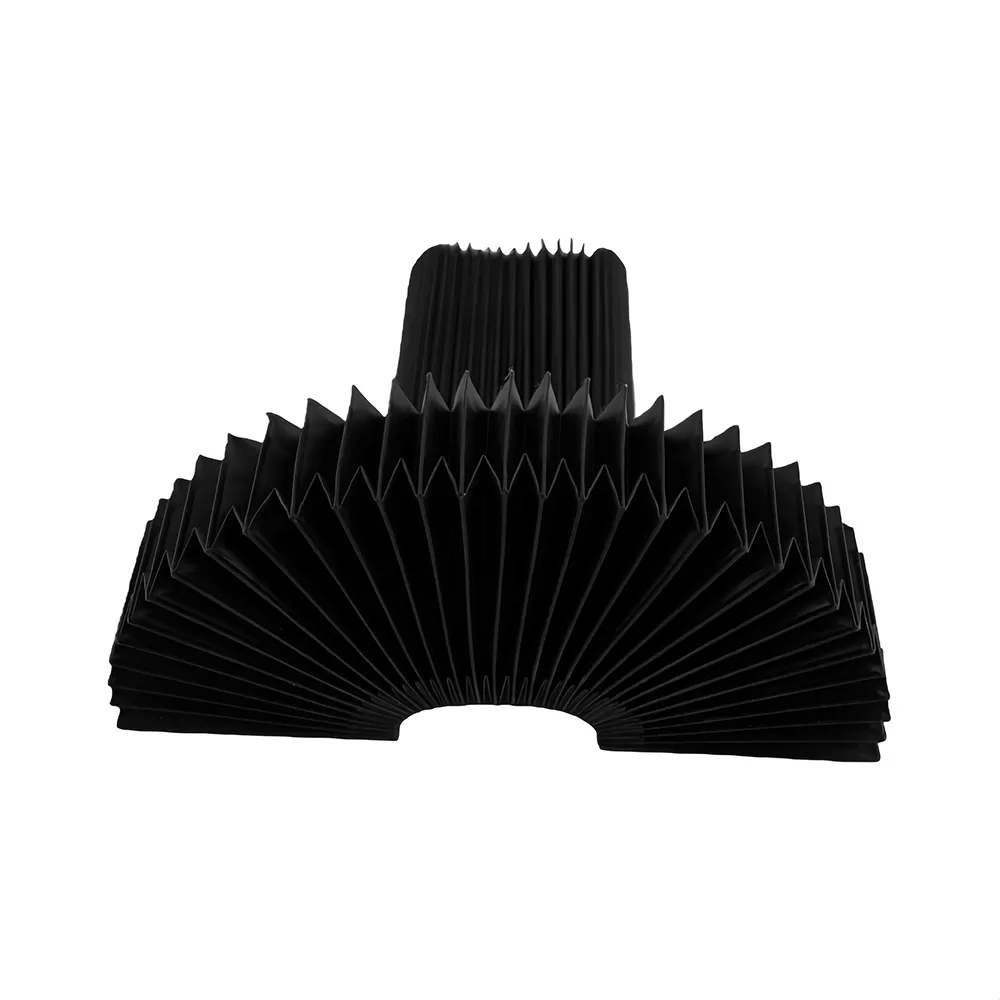
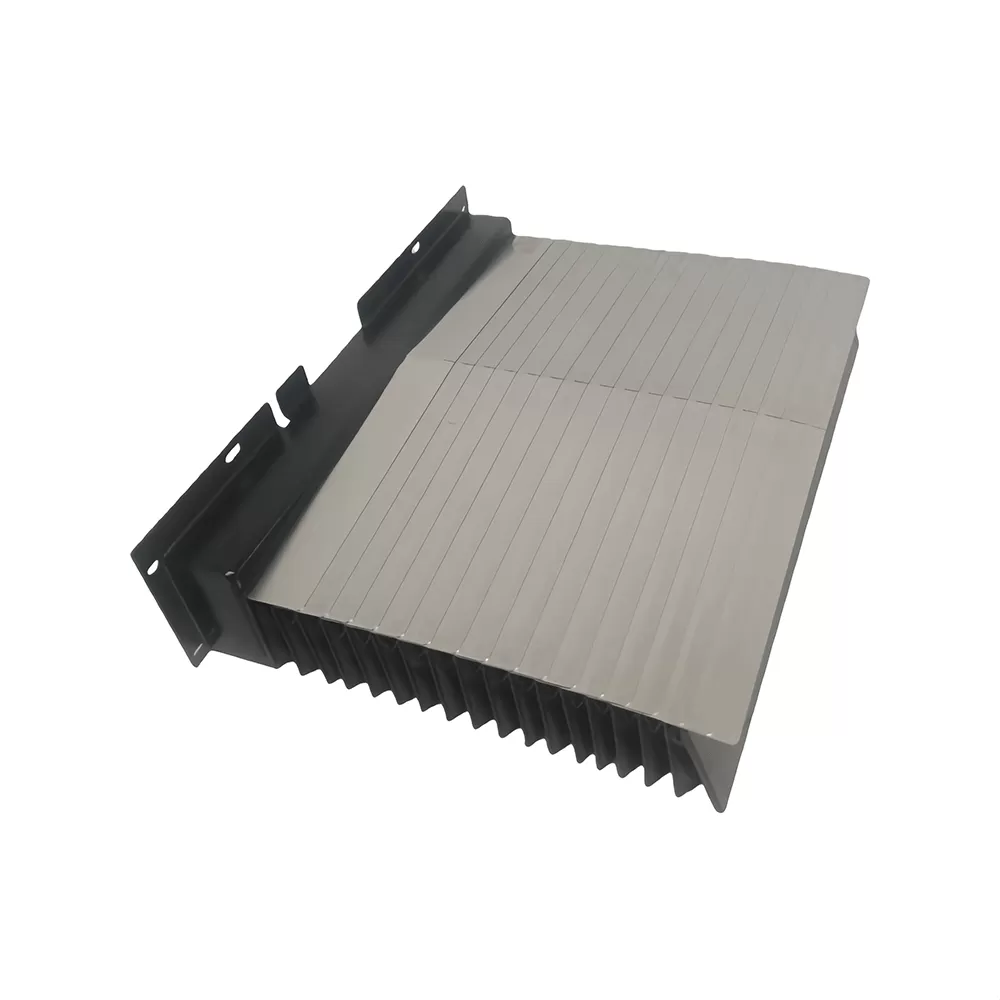
Conversely, flexible bellows are better suited for high-speed, light-duty machining or grinding applications. When fitted with stainless steel lamellas, bellows can offer a balanced solution, combining the lightweight characteristics of fabric with the thermal defense of steel.
The Counter-Intuitive Impact of Way Cover Dynamics on Thermal Drift
A common misconception in CNC maintenance is that way covers are entirely passive components that do not influence machining precision. However, thermal analyses of high-speed machine tools reveal a different reality: way cover friction can act as a secondary heat source, introducing localized thermal drift.
As telescopic plates slide over one another, the pressure exerted by the wiper seals generates friction. In high-duty-cycle operations, this friction can raise the temperature of the localized guideway region by 2°C to 5°C. According to thermal expansion principles, even a minor temperature variance can cause the lathe bed to bow slightly, shifting the tool center point.
To address this thermal challenge, QUNHUI engineering focuses on low-friction wiper compounds and optimized pretension profiles. Minimizing the mechanical drag of the way covers for lathe guideways helps maintain thermal equilibrium across the machine bed, supporting adherence to ISO 230-3 standards for thermal drift management.
Actionable Way Cover Inspection Checklist
Regular maintenance of your protection systems is essential to avoid unplanned downtime. Utilize the following checklist during weekly and monthly preventative maintenance cycles to monitor the health of your lathe's protective covers:
Weekly Maintenance Checks
Visual Inspection: Examine the surface of individual cover plates for dents, deep scratches, or warping that could impede smooth movement.
Wiper Wear Assessment: Verify that the wiper lips maintain continuous, uniform contact with the mating surfaces of the adjacent plates.
Debris Clearing: Remove accumulated chip nests and fine particulate buildup from the cover joints to prevent mechanical binding.
Monthly Maintenance Checks
Lubrication Review: Ensure the guide brass shoes or rollers beneath the telescopic plates are adequately lubricated per the manufacturer's specifications.
Alignment Verification: Manually cycle the axis at low speed to detect any binding, knocking, or uneven resistance that indicates misalignment.
Coolant Ingress Test: Check the area directly beneath the way cover for evidence of coolant pooling or particulate bypass.
Frequently Asked Questions (FAQ)
1. Can we use fabric bellows on a lathe configured for high-volume dry machining?
Dry machining of materials like steel produces highly abrasive, high-temperature dust and chips. Unprotected fabric bellows will quickly degrade or melt under these conditions. If bellows are preferred due to space constraints, they must be equipped with stainless steel protective lamellas (plates) on their top surfaces to deflect the hot debris.
2. How do wiper blade materials affect the longevity of telescopic way covers for lathe systems?
Wiper blade material selection is critical. Polyurethane (PU) offers excellent abrasion resistance and mechanical durability but can be vulnerable to certain aggressive ester-based synthetic coolants. Nitrile rubber (NBR) provides solid chemical resistance but may wear faster in high-dry-abrasive environments. Selecting the correct compound prevents premature seal failure.
3. What are the primary indicators that a way cover needs immediate repair rather than routine cleaning?
Key warning signs include visible gaps between the wiper and the sliding plate, loud banging or scraping noises during axis movement, and jerky travel (stick-slip) on the protected axis. If a plate is physically dented, it should be removed and straightened or replaced immediately to avoid damaging the underlying linear guides.
Implementing Long-Term Protection with QUNHUI
Protecting the structural integrity of your CNC machine tools requires a systematic approach to component selection and maintenance. By implementing the T.O.R.Q.U.E. framework and adhering to structured inspection protocols, manufacturing facilities can significantly reduce unplanned maintenance costs and extend the operational life of their equipment.
Every machining environment presents distinct challenges, from high-velocity composite dust to heavy, hot metal chips. Selecting custom-engineered way covers for lathe systems ensures that your protection matches your specific production realities.
For detailed engineering advice on way cover integration, design customization, or material compatibility, please contact the technical support team at QUNHUI to discuss your machine tool protection requirements.