
_175449.webp)
In high-precision manufacturing, maintaining the physical integrity of machine tool guideways is a fundamental factor in ensuring operational accuracy and machinery longevity. Machine tools operate in demanding environments characterized by abrasive particulate matter, high-velocity hot metal chips, and chemically aggressive cutting fluids. Exposure to these elements without adequate protection leads to rapid wear of linear guides, ball screws, and encoder scales. A vital component of this defense is the installation of robust cnc machine way covers, which shield sensitive motion-control elements from contamination.
Selecting, designing, and maintaining these protective barrier systems requires an understanding of mechanical design, material science, and tribology. This analysis covers the structural classifications of way covers, their engineering challenges, material considerations, and proactive maintenance practices required to minimize machine downtime in heavy-duty industrial applications.
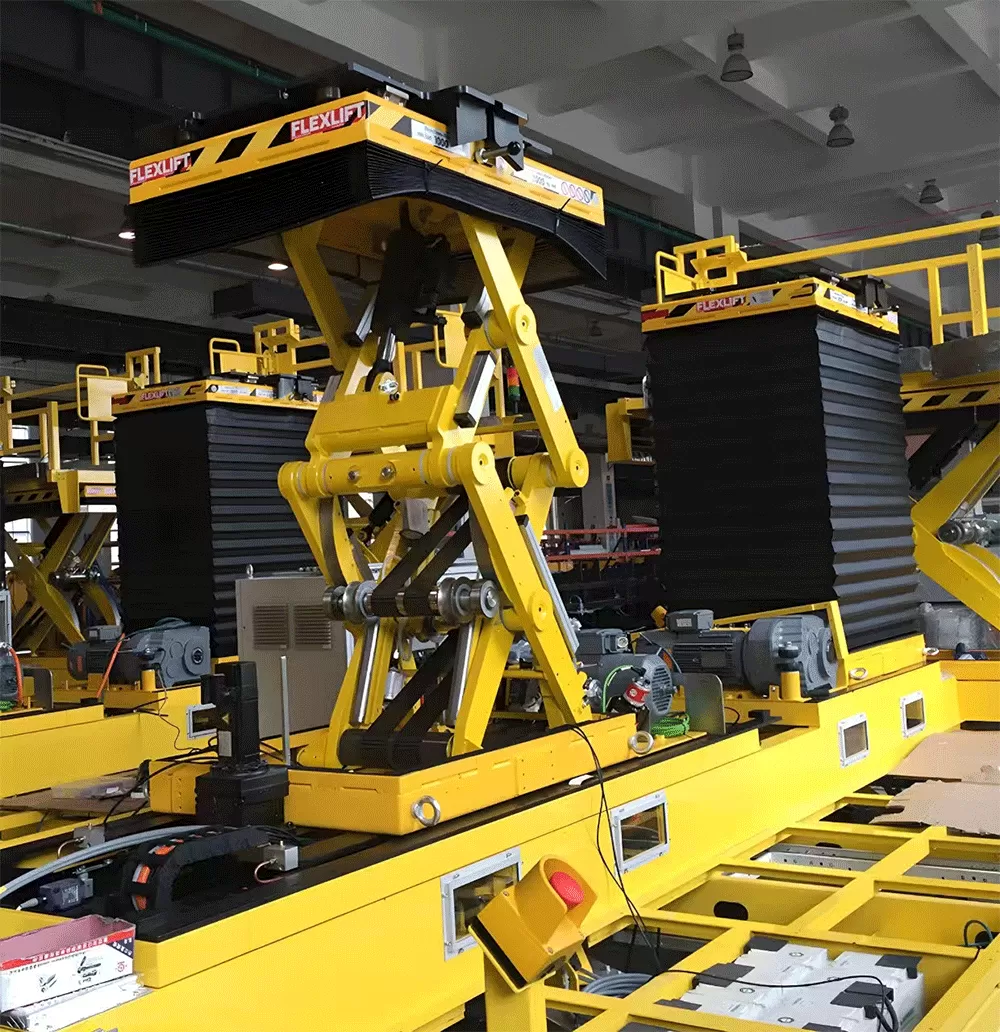
Structural Classifications of Way Protection Systems
Protective covers are engineered in various configurations to accommodate different axis movements, space envelopes, and contamination loads. Choosing the appropriate design depends heavily on the specific dynamics of the machine tool.
Telescopic Steel Covers
For heavy-duty machining centers, telescopic steel covers represent the standard for robust protection. These systems consist of nested sheet metal boxes that slide over one another, creating an overlapping shield against heavy chip loads and physical impacts.
Structural Components: Each box section is fabricated from high-tensile steel or stainless steel. They are fitted with synthetic wiper lips on the leading edges to scrape away chips and coolants during compression.
Support Mechanisms: To ensure smooth movement, larger telescopic systems utilize brass or non-metallic sliding glides, while high-speed systems rely on roller bearings to reduce friction.
Damping and Synchronization: In high-speed axes, scissor linkages (pantographs) are integrated to synchronize the movement of the individual plates, preventing destructive impact shocks when the axis reverses direction.
Fabric and Elastomeric Bellows
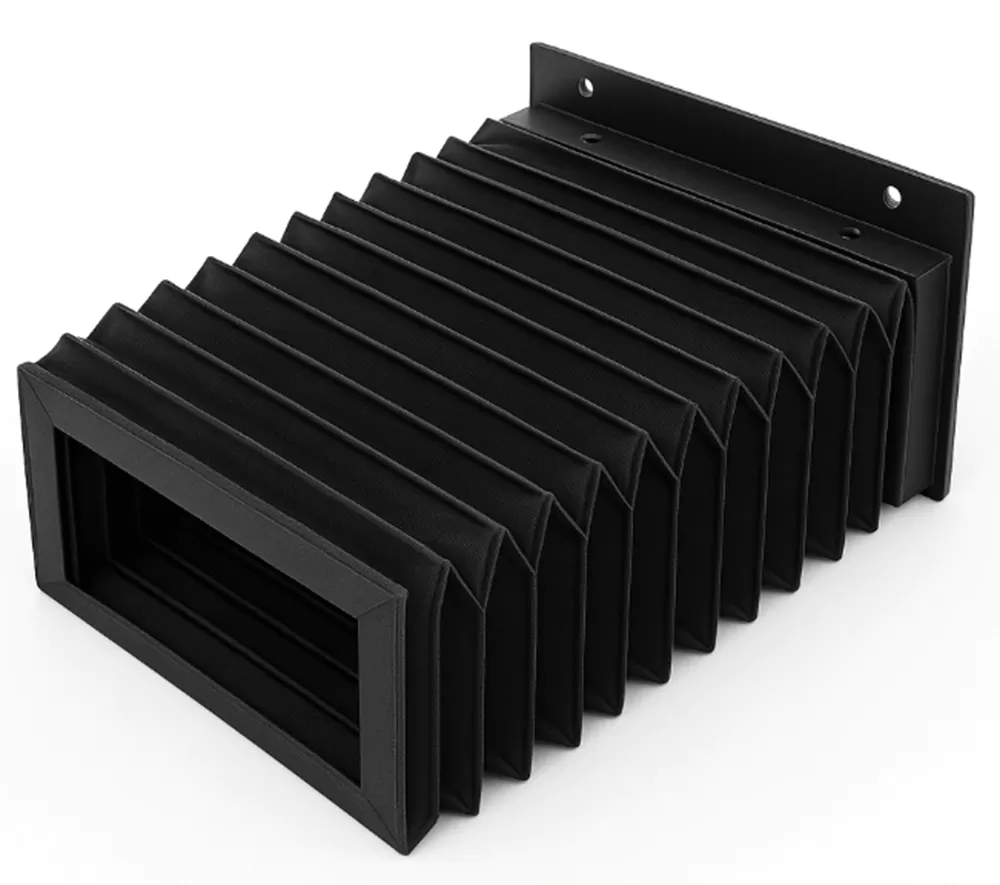
Where high speed, large travel-to-compression ratios, and low weight are necessary, bellows offer an effective solution. These are typically used in laser cutters, EDM machines, and light-duty milling machines.
Material Composition: Bellows are constructed from polyurethane-coated nylon, Kevlar, or fiberglass fabrics, folded and bonded to rigid internal PVC support frames.
Armored Variations: For environments with moderate chip loads, fabric bellows can be equipped with stainless steel lamellae (shingles) on their top surfaces. This hybrid design combines the flexibility of a fold-out bellow with the heat resistance of steel plates.
Apron and Roll-Up Covers
When space constraints prevent the use of telescopic covers due to their compressed length (L-min), apron or roll-up covers are utilized.
Design: These covers consist of aluminum or steel slats joined by polyurethane hinges or flexible stainless steel bands.
Operation: They roll onto a spring-driven take-up canister or hang freely behind the machine table, occupying minimal space within the machine envelope.
Engineering Selection Parameters for cnc machine way covers
Specifying a protection system involves analyzing several dynamic and environmental parameters to prevent premature wear or mechanical interference with the machine axes.
| Parameter | Design Relevance | Primary Engineering Concern |
|---|---|---|
| Axis Velocity & Acceleration | Determines the inertial forces acting on the cover sections. | Requires synchronized pantographs or shock-absorbing bumpers for high speeds. |
| Stroke Length & Compressed Dimension | Defines the physical boundaries of the cover. | Must fit within the machine bed limits without limiting axis travel. |
| Contaminant Profile | Dictates the choice of cover type and wiper material. | Abrasive dust requires sealed bellows; heavy hot chips require telescopic steel. |
| Orientation of Axis | Affects gravitational forces on the cover components. | Vertical axes require weight-balancing mechanisms or specialized glides. |
At QUNHUI, design teams leverage extensive kinematic simulations to verify that these parameters are balanced, ensuring that custom enclosures operate in harmony with the machine tool’s maximum feed rates.
Materials Science and Tribology in Protection Systems
The performance of a way cover depends largely on the materials selected for its primary plates, sliding guides, and wiping elements.
Plate Materials
Cold-rolled carbon steel sheets (typically ranging from 1.5 mm to 3.0 mm in thickness) are standard due to their high structural modulus and cost-effectiveness. In environments using highly corrosive water-miscible metalworking fluids, stainless steel grades such as SUS304 are used to prevent oxidation and pitting, which can degrade the sealing contact of the wipers.
Wiper Technology
The wiper is the primary defense against fine particulate ingress. Wipers must maintain consistent contact pressure against the sliding steel plates without generating excessive friction or stick-slip phenomena.
Polyurethane Elastomers: Chosen for their high abrasion resistance and mechanical toughness. They perform well against dry metallic dust and oil-based coolants.
Fluoropolymer (Viton) Wipers: Used in high-temperature applications or where aggressive synthetic coolants cause standard polyurethane to swell, harden, or crack.
Pre-Tensioned Steel Backings: Many premium wipers feature a spring-steel casing that maintains consistent contact force over millions of cycles, compensating for gradual elastomer wear.
Sliding Elements
To minimize friction between nested steel plates, sliding elements are strategically placed on the underside of each cover segment. Special engineering plastics, such as Polyoxymethylene (POM) or glass-filled Polytetrafluoroethylene (PTFE), are selected for their self-lubricating properties and resistance to swelling in liquid environments.
Common Failure Modes and Engineered Solutions
Despite their robust design, way covers operate in high-stress zones and are susceptible to several common failure modes. Recognizing these issues early prevents major structural damage to the machine tool.
Wiper Wear and Coolant Ingress
Over time, abrasive fine dust embedded in the coolant slurry acts like sandpaper, wearing down the flexible sealing lip of the wiper. Once the lip is compromised, fine metal particles and chemically active fluids pass under the plates, contaminating the linear guide rails and accelerating the wear of ball screw assemblies.
Solution: Implementing modular, snap-in wiper designs allows maintenance personnel to replace worn elastomer elements quickly without completely dismantling the telescopic assemblies. Utilizing multi-stage wiper lips with a secondary catching channel also diverts fluid away from the internal mechanisms.
High-Speed Impact Damage
Modern machine tools frequently exceed accelerations of 1G and rapid traverse speeds of 60 meters per minute. When a telescopic cover compresses rapidly, the mechanical inertia can cause successive plates to impact each other with high force, leading to physical deformation, dented plates, and loud operational noise.
Solution: Integrating polyurethane bumper strips, internal air dampers, or heavy-duty pantograph linkages distributes deceleration forces evenly across all plates, reducing localized impact stresses. Every assembly produced by QUNHUI undergoes cycle testing to verify that these shock-dampening components perform reliably under maximum dynamic loads.
Deformation from Chip Accumulation
In high-volume milling operations, large piles of heavy, hot chips can accumulate on top of horizontal covers. If the covers cannot shed these chips, the vertical load can bow the steel plates, causing them to bind or rub heavily against the underlying guideways.
Solution: Designing sloped or "roof-shaped" profiles on horizontal telescopic covers encourages gravity-assisted chip runoff. Additionally, integrating flushing nozzles into the machine enclosure helps wash chips off the covers and into the chip conveyor.
Customized Manufacturing and Integration
When manufacturing custom cnc machine way covers, precision is paramount. Because every machine tool builder utilizes different casting geometries and axis designs, standard off-the-shelf solutions are rarely sufficient. Custom engineering involves precise measurement of the clearances surrounding the linear guides, ball screws, and cabling lines.
Advanced manufacturing facilities utilize high-precision CNC laser cutting and synchronized press brakes to form the steel plates with tight dimensional tolerances. This precise fabrication ensures that the nested clearance between sliding boxes is held within tenths of a millimeter, minimizing the space where fine dust can enter while avoiding mechanical binding.
Preventive Maintenance Protocols
To maximize the operational life of guideway protection systems, facility managers must implement structured preventive maintenance schedules. Neglecting simple maintenance tasks can lead to expensive repairs and unscheduled production halts.
Daily Cleaning: Remove large chip accumulations from the covers before starting a shift. Avoid using high-pressure compressed air directly against the wiper lips, as this can force fine particles under the seals.
Weekly Inspection: Inspect the wiper edges for visible tearing, cracking, or swelling. Check the surfaces of the steel plates for deep scratches, dents, or signs of dry friction.
Monthly Lubrication: Apply a light film of slide-way oil to the sliding surfaces of telescopic covers to reduce friction and prevent corrosion. Check that the internal brass glides or rollers are moving freely.
Annual Reconditioning: For heavy-use machinery, dismantle the telescopic covers annually to replace worn wipers, inspect the internal damping bumpers, and realign any slightly bowed plates.
Frequently Asked Questions
Q1: What are the primary indicators that a telescopic way cover requires immediate repair?
A1: Key warning signs include abnormal squealing or scraping noises during axis movement, visible denting or deformation of the steel plates, gaps between the wiper lips and the sliding plates, and the presence of coolants or fine chips on the linear guides beneath the cover assembly.
Q2: Can fabric bellows be used in heavy metal milling environments?
A2: Standard fabric bellows are not recommended for heavy milling because hot, sharp metal chips can melt or cut through the synthetic fabric. However, armored fabric bellows equipped with stainless steel protective shields can handle these environments by shielding the underlying fabric from direct chip contact.
Q3: How do synchronized pantograph linkages improve high-speed performance?
A3: Pantograph linkages mechanically connect all the sliding plates of a telescopic cover. When the machine axis moves, the linkage forces all plates to extend and compress simultaneously and at proportional speeds. This prevents individual plates from colliding abruptly, reducing wear, noise, and mechanical stress.
Q4: Why is high-pressure compressed air discouraged for cleaning way covers?
A4: High-pressure air streams can easily lift the flexible rubber lips of the wipers, forcing fine abrasive dust, metal particles, and coolant deep inside the telescopic assembly. This leads to accelerated wear of the internal guides, ball screws, and high-precision encoders.
Q5: What measurements are needed when replacing cnc machine way covers?
A5: The critical measurements include the maximum extended length (L-max), the minimum compressed length (L-min), the total travel stroke, the overall width of the guideway bed, the height clearances of the surrounding machine casting, and the mounting hole configurations on both the driving and fixed ends.
Summary and Consultation Inquiries
Maintaining the structural integrity of precision machine tools requires reliable guideway protection. Investing in high-grade cnc machine way covers ensures long-term operational accuracy and prevents catastrophic axis failures. By selecting appropriate materials, employing synchronized movement technologies, and adhering to strict preventive maintenance schedules, manufacturing facilities can significantly reduce unplanned downtime and lower overall operational costs.
For custom engineering consultations or to discuss specific dimensions for your machinery, contact the engineering team at QUNHUI to discuss your design specifications and obtain a detailed quotation for your industrial requirements.