
.webp)
In the precision-driven sector of industrial manufacturing, the longevity of machine tool components depends heavily on the effectiveness of their protective shielding systems. Linear guideways, ball screws, and sensitive measuring scales are constantly exposed to hostile environments characterized by abrasive metal chips, pressurized coolant sprays, and fine particulate dust. The implementation of a high-quality cnc accordion cover represents a sophisticated engineering solution designed to mitigate these risks while maintaining the high-speed operational dynamics required by modern CNC machining centers.
As industrial automation continues to push the boundaries of traverse speeds and acceleration rates, the structural integrity of protective covers must evolve. Manufacturers such as QUNHUI specialize in developing these bellows-style barriers to ensure that the internal mechanics of a machine remain isolated from external contaminants without hindering the fluid motion of the axes. Understanding the technical nuances of these components is fundamental for maintenance engineers and machine designers seeking to reduce downtime and maintain geometric accuracy over thousands of operational hours.
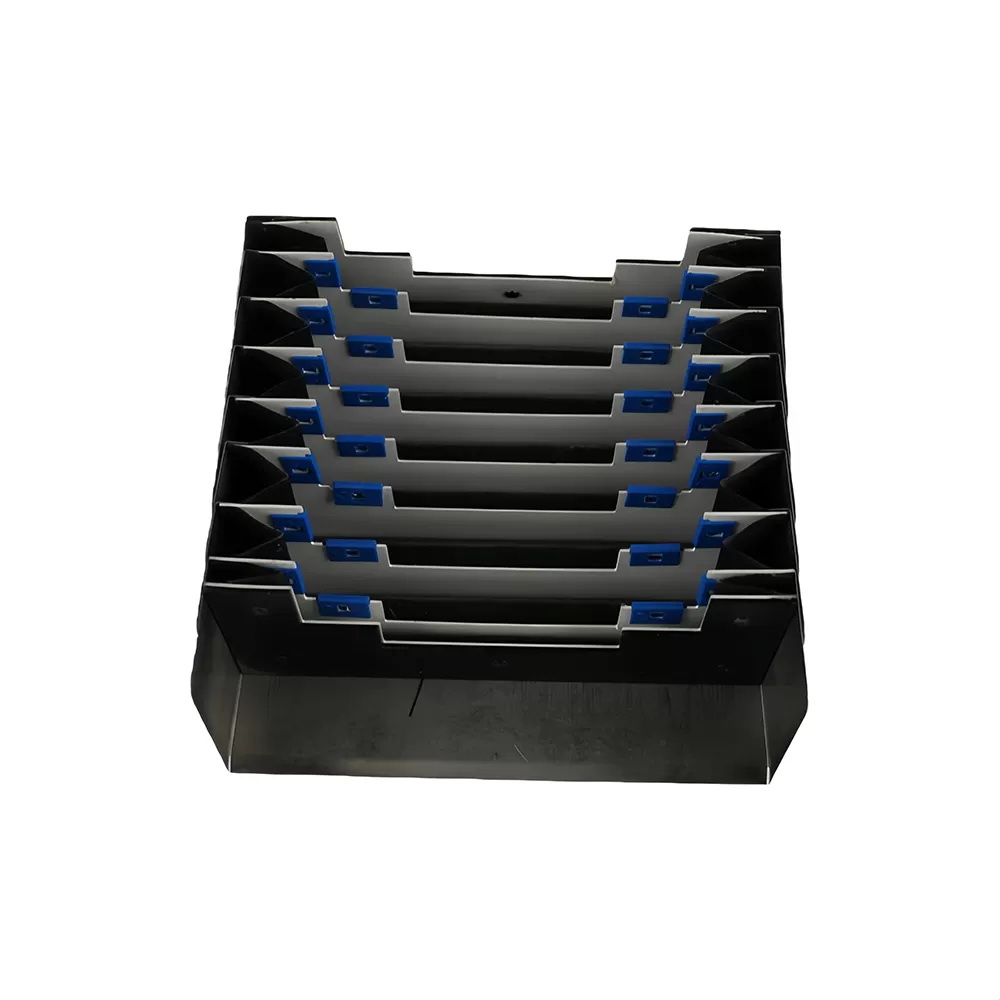
1. Structural Anatomy and Mechanical Design
The design of a protective bellows is far more complex than a simple folding fabric. It involves a multi-layered approach where each fold is reinforced to provide consistent rigidity. A standard cnc accordion cover consists of an outer technical fabric, internal stiffeners, and mounting flanges. The stiffeners, often made from PVC or lightweight aluminum, are bonded to each pleat to ensure the cover maintains its shape during high-speed compression and extension.
One of the primary technical challenges in bellows design is the "pumping effect." As the cover compresses rapidly, air trapped inside must be displaced. Without proper venting or filtered exhaust ports, the internal pressure can cause the bellows to "balloon" or deform, leading to interference with machine parts or even catastrophic failure of the cover material. Advanced designs incorporate air-permeable materials or integrated valves to equalize pressure instantaneously, ensuring the cover tracks accurately along the linear rails even at traverse speeds exceeding 60 meters per minute.
2. Advanced Material Science for Hostile Environments
The choice of material for a cnc accordion cover is dictated by the specific machining environment. Standard industrial applications may use polyurethane-coated polyester, which offers excellent flexibility and resistance to common oils. However, in more demanding scenarios, specialized technical textiles are required:
Aluminized Kevlar: Used in laser cutting or welding environments where resistance to high temperatures and sparks is mandatory.
PTFE-Coated Fiberglass: Provides superior chemical resistance against aggressive synthetic coolants and high-pH cleaning agents.
Nitrile-Coated Fabrics: Ideal for applications involving heavy oil exposure, preventing the material from swelling or becoming brittle over time.
TPU (Thermoplastic Polyurethane): Offers high abrasion resistance, which is vital when handling sharp, hot metal chips in milling operations.
QUNHUI utilizes advanced thermal bonding and high-frequency welding techniques to join these materials. Unlike traditional sewing, which creates needle holes that can allow micro-particulates or coolant to seep through, thermal bonding creates a hermetic seal. This level of ingress protection is vital for protecting the optical encoders and linear motors found in five-axis machining centers.
3. Managing Velocity and Dynamic Load
Modern machine tools operate at high G-forces. When an axis accelerates, the protective cover must react without lag. If the inertia of the cover is too high, or if the internal support structure is insufficient, the pleats may "stack" unevenly or sag. This sagging not only exposes the guideways but can also lead to the material getting caught in the machine's moving parts.
To address this, engineers implement extension limiters, such as nylon tapes or stainless steel wires, which ensure that each pleat opens to its designed width simultaneously. This prevents over-extension of the leading folds and distributes the mechanical stress evenly across the entire assembly. In horizontal applications where long spans are covered, internal glides or rollers are often integrated to support the weight of the bellows, reducing friction and wear on the bottom surface of the material.
4. Integration with Industrial Automation
In the context of industrial automation, the cnc accordion cover plays a role in the overall reliability of the robotic cell or automated production line. Automated systems often run unattended for long periods; therefore, a failure in the shielding system can lead to massive secondary damage before an operator detects the issue. Integrating sensors to monitor the integrity of the bellows or using transparent inspection windows allows for proactive maintenance strategies.
Furthermore, the compact design of accordion covers is advantageous in space-constrained automation environments. Compared to telescopic steel covers, bellows require significantly less "closed length" or "stack height." This allows for a greater range of motion within the same machine footprint, a vital factor for compact multi-tasking machines and robotic arm extensions where every millimeter of travel is valuable.
5. Protection Against Abrasive Media and Coolants
The primary function of a cnc accordion cover is to serve as the first line of defense against the ingress of contaminants. In grinding operations, the "slurry" created by fine abrasive dust and coolant is exceptionally destructive. It acts like liquid sandpaper, quickly eroding seal lips and guideway surfaces. A properly engineered bellows system must feature "wiper" lips at the mounting points to clear any settled debris before the cover compresses.
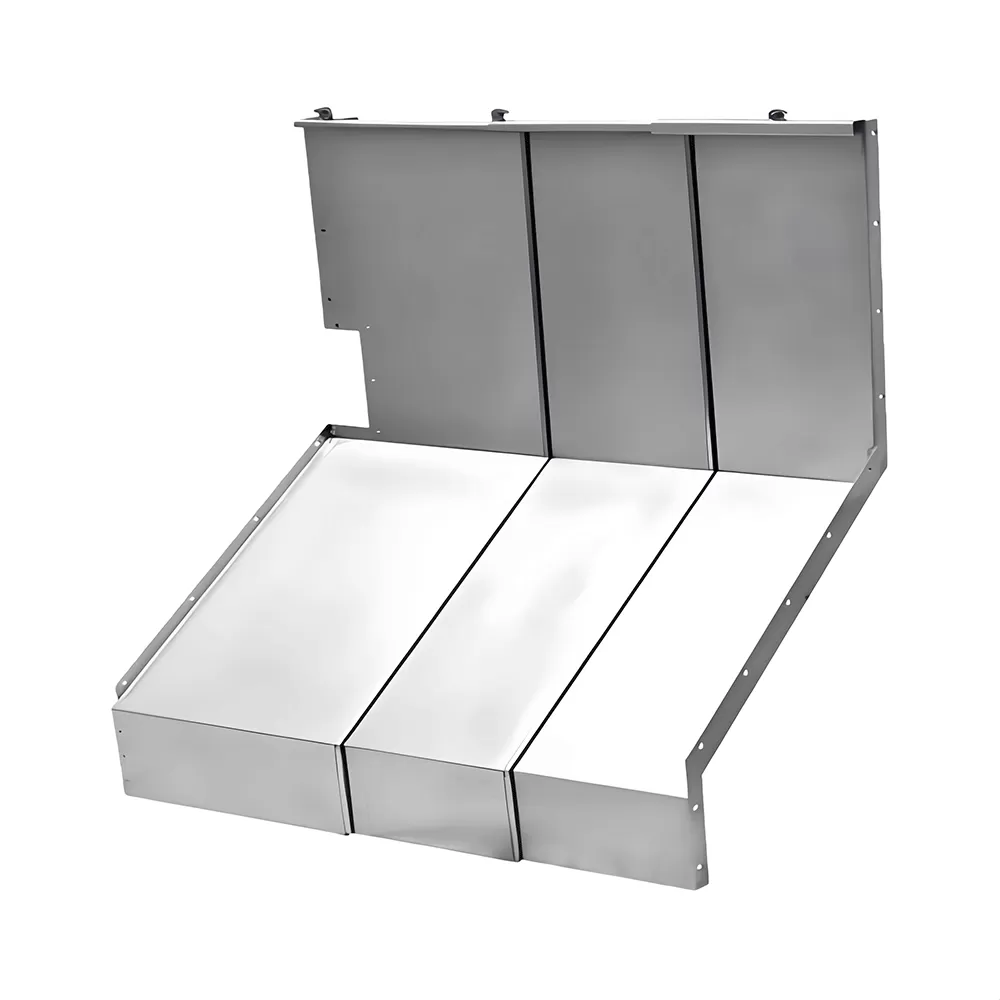
Coolant management is another significant factor. Modern high-pressure coolant systems can deliver fluids at over 70 bar. The impact force of such sprays can easily bypass poorly designed seals. By employing a "shingle" design or adding stainless steel lamellas (scale covers) to the face of the accordion cover, manufacturers can deflect high-velocity chips and fluid, combining the flexibility of a bellows with the impact resistance of a metallic shield.
6. Maintenance Protocols and Longevity
While high-quality covers from reputable providers like QUNHUI are designed for durability, their operational life is significantly influenced by maintenance practices. Regular inspection for pinholes, tears, or signs of material fatigue is a fundamental requirement. Even a minor breach in the fabric can allow fine metal dust to reach the high-precision ball screw, leading to increased friction and loss of positioning accuracy.
Cleaning protocols should avoid the use of compressed air, which can force small particles into the folds of the bellows or even under the seals. Instead, vacuuming or soft-brushing the exterior surfaces when the cover is fully extended is the recommended method. Lubrication of the internal support guides should be performed according to the manufacturer's specifications to ensure smooth operation and prevent premature wear of the internal stiffeners.
7. Customization and Precision Fitment
No two machine tools are identical, and "off-the-shelf" solutions rarely provide the level of protection required for high-end CNC equipment. Custom-engineered covers are designed based on the specific geometry of the machine bed, the maximum travel speeds, and the types of materials being processed. This customization involves precise calculations of the L-max (maximum extension) and L-min (minimum compression) ratios to ensure the cover does not bottom out or over-stretch.
QUNHUI works closely with machine tool builders to integrate these protective systems into the initial design phase. By considering the bellows geometry early in the process, designers can optimize the machine layout to accommodate the necessary stack height without sacrificing axis travel. This collaborative approach results in a more robust machine that requires less frequent maintenance and provides a higher return on investment through increased uptime.
The Strategic Importance of Shielding
The cnc accordion cover is a sophisticated piece of industrial equipment that directly impacts the precision and reliability of modern manufacturing. From material science to mechanical dynamics, every aspect of its design must be optimized to withstand the rigors of high-speed machining. By investing in high-quality, technically sound protective solutions, manufacturers can safeguard their most valuable assets and ensure consistent production quality in an increasingly competitive global market.
Frequently Asked Questions
Q1: How do I determine the correct material for my bellows cover?
A1: Material selection depends on the specific environmental hazards. For heavy coolant and oil exposure, TPU or Nitrile-coated fabrics are preferred. For high-temperature applications or laser cutting, heat-resistant materials like Kevlar or silicone-coated fiberglass are necessary. A technical audit of your machining process will identify the primary threats to the cover's integrity.
Q2: Can accordion covers be used in high-speed applications above 100 m/min?
A2: Yes, but they require specific design features such as internal pantograph systems or high-tension extension limiters to ensure even folding and prevent mechanical lag. Proper air venting is also vital at these speeds to manage the rapid displacement of air within the bellows.
Q3: What is the typical lifespan of a cnc accordion cover in a high-production environment?
A3: Lifespan varies based on the duty cycle and environment. In a well-maintained environment with standard chip loads, a high-quality cover can last several million cycles. However, exposure to sharp chips, abrasive dust, or improper cleaning can significantly shorten this duration. Regular inspections are recommended every 500 operating hours.
Q4: Is it possible to repair a damaged bellows, or must it be replaced?
A4: Minor punctures can sometimes be patched using specialized industrial adhesives and matching fabric swatches. However, if the internal stiffeners are deformed or the structural integrity of the folds is compromised, replacement is usually the only way to ensure the continued protection of the machine's linear components.
Q5: How does the stack height of a bellows compare to a telescopic steel cover?
A5: Accordion covers typically offer a much better compression ratio. While a telescopic steel cover might require 10-15% of its total length for the stack, a bellows can often compress down to as little as 5-8% of its extended length, providing more usable travel for the machine axis.
Q6: Are these covers resistant to hot metal chips?
A6: Standard fabric covers may be damaged by very hot chips. For these applications, we recommend adding stainless steel scales (lamellas) to the top of each pleat. This hybrid design provides the flexibility of a bellows with the thermal and impact protection of metal shielding.
For technical consultations regarding the integration of high-performance shielding systems into your industrial equipment, please contact our engineering team. We provide tailored solutions to meet the most demanding specifications in machine tool protection.
Please send your inquiry to our technical department for a detailed analysis of your requirements.