
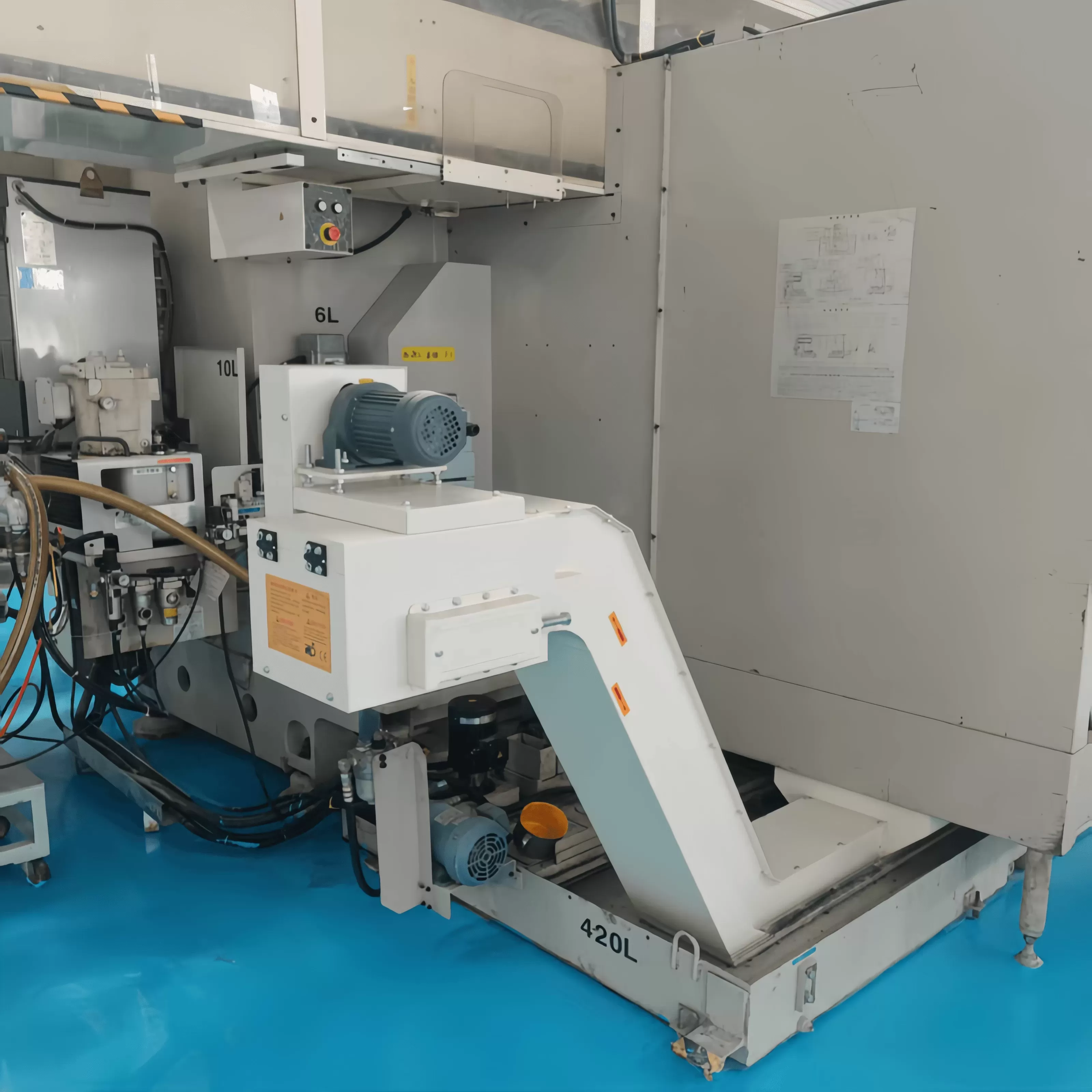
In the field of industrial automation and CNC machining, the longevity of linear motion components is directly tied to the effectiveness of their protective enclosures. High-precision guide rails, ball screws, and magnetic encoders are susceptible to environmental contaminants such as abrasive dust, metallic chips, and corrosive coolants. To mitigate these risks, engineers often turn to an accordion dust cover. These specialized bellows act as a dynamic barrier, expanding and contracting in synchronization with machine movement while maintaining a sealed environment for internal mechanics.
The engineering behind these protective systems has evolved significantly. Modern manufacturing environments demand high-speed travel, extreme acceleration, and resistance to complex chemical compositions. As a result, the selection of a protection system is no longer a secondary consideration but a fundamental aspect of machine design. Organizations like QUNHUI specialize in developing high-performance shielding that aligns with these rigorous industrial standards, ensuring that downtime remains minimal and mechanical accuracy stays within microns over years of operation.
Engineering Fundamentals and Structural Composition
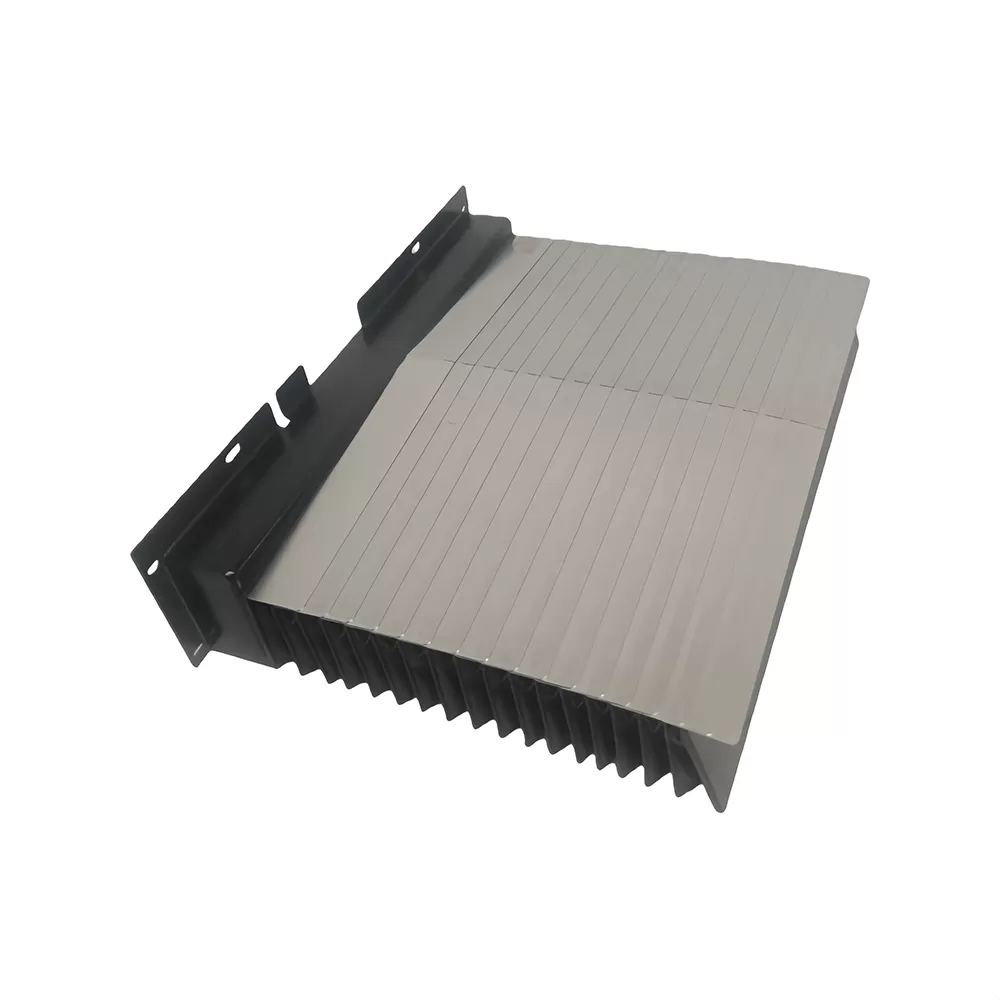
An accordion dust cover is more than just a folded piece of fabric. It is a multi-layered assembly designed to withstand millions of cycles without material fatigue. The structural integrity of the unit is provided by internal stiffeners, typically manufactured from rigid PVC or thin aluminum sheets. These stiffeners maintain the shape of the bellows and prevent the material from sagging or interfering with the moving parts of the machine.
Material Science in Industrial Bellows
The choice of outer material is determined by the specific hazards of the application. For standard dust protection, polyurethane-coated nylon is often the baseline. However, in more aggressive environments, manufacturers utilize specialized technical textiles:
Aluminized Fiberglass: Used in applications involving welding sparks or molten metal splash, providing high-temperature resistance.
Polyurethane (PU) and PVC: Ideal for resistance against oils, grease, and water-based cooling agents.
Aramid Fibers: Selected for high-tensile strength and resistance to mechanical puncture, common in heavy-duty milling operations.
PTFE Coatings: Utilized in chemical processing or medical environments where non-reactivity and low friction are mandatory.
The bonding method between the folds also varies. Heat-sealed or high-frequency welded seams provide a completely airtight and watertight seal, whereas sewn seams are reserved for applications where high-temperature air needs to be vented through the bellows during compression.
Addressing Industrial Pain Points: Protection and Durability
The primary pain point for machine operators is the ingress of microscopic particulates. In grinding or woodworking applications, fine dust can act as an abrasive paste when mixed with lubricants, leading to rapid wear of the linear bearings. An accordion dust cover provides a physical separation that prevents this contamination. Furthermore, in laser cutting or plasma cutting, the protection must also resist UV radiation and high-energy sparks that could otherwise melt standard plastic covers.
Another challenge is the management of high-speed motion. As CNC machines move at speeds exceeding 60 meters per minute, the bellows must be able to compress and extend without creating excessive air pressure or vacuum effects. This is managed through the integration of breather valves or filter patches, which allow the system to "breathe" while keeping contaminants out. QUNHUI develops these systems to ensure that the internal pressure does not cause the cover to "balloon" or collapse, which would lead to premature wear or mechanical interference.
Design Parameters for Custom Integration
Specifying a protective system requires a deep understanding of the spatial constraints of the machine tool. Engineers must calculate the "L-min" (compressed length) and "L-max" (extended length) to ensure the joint does not limit the machine's travel or crush the cover at the end of the stroke.
Fold Geometry and Extension Ratios
The depth of each fold dictates the ratio between the compressed and extended states. A deeper fold allows for a greater extension-to-compression ratio, which is vital for machines with long travel paths but limited storage space. The geometry must also account for the clearance between the bellows and any stationary components of the machine frame to prevent friction-induced heat and abrasion.
Mounting and Support Systems
How the cover is attached to the machine influences its stability. Most systems use steel or aluminum end-plates that are bolted to the moving carriage and the stationary base. For long horizontal runs, internal guide tabs or "runners" are installed to keep the bellows centered on the rails. In vertical applications, support tapes or pantograph mechanisms are used to ensure the folds extend evenly, preventing the weight of the material from bunching at the bottom.
Performance Under High Acceleration
Modern linear motors can achieve accelerations that place immense stress on protective covers. If the accordion dust cover is not engineered for these forces, the inertia of the folds can cause the material to tear or the internal stiffeners to buckle. High-speed bellows often incorporate "extension limiters"—nylon tapes that distribute the pulling force across all folds simultaneously—preventing the first few folds from bearing the entire load during sudden starts.
This structural reinforcement is a hallmark of precision engineering. When a machine undergoes rapid directional changes, the protective system must exhibit high lateral stability. Without this, the cover may vibrate, contributing to acoustic noise and potentially impacting the surface finish of the machined part through transmitted vibration.
Specialized Application Scenarios
While often associated with CNC mills, these protective solutions are used across various sectors:
Medical and Laboratory Equipment: In cleanroom environments, covers prevent the shedding of particles and protect sensitive optical sensors from ambient light.
Logistics and Lifting Tables: Large-scale bellows protect hydraulic lift mechanisms from debris and prevent personnel from reaching into pinch points.
Measurement and Metrology: Coordinate Measuring Machines (CMMs) use high-flexibility covers to protect ruby-tipped probes and granite ways from environmental fluctuations.
Woodworking: Specialized covers with anti-static properties prevent the buildup of fine sawdust, which can pose a combustion risk.
In each of these scenarios, the accordion dust cover must be tailored to the specific chemical and physical stressors of the environment. QUNHUI works closely with automation designers to select the appropriate mounting configurations and material thicknesses for these diverse requirements.
Maintenance and Lifespan Optimization
Although designed for longevity, the operational life of a bellows system is finite. Regular inspection is necessary to identify signs of wear, such as pinholes in the material or cracked stiffeners. If a cover is allowed to fail, the cost of replacing the precision linear guides underneath is significantly higher than the cost of a replacement cover.
Maintenance protocols typically involve cleaning the exterior surface of the folds to remove accumulated chips or sludge that could impede compression. It is important to avoid using harsh solvents that might degrade the PU or PVC coatings. Instead, a light wipe-down with compatible cleaners is recommended. Furthermore, checking the integrity of the mounting bolts ensures that the cover remains perfectly aligned with the motion axis.
The Value of Precision Manufacturing Partners
Choosing a supplier for protective systems involves evaluating their ability to provide custom-engineered solutions rather than off-the-shelf products. Each machine has a unique footprint and movement profile. A partner like QUNHUI provides the technical expertise needed to simulate the motion profile and select materials that balance flexibility with durability. This collaborative approach ensures that the protective system enhances the machine's performance rather than acting as a point of failure.
As industrial equipment becomes more autonomous and operates for longer unmanned shifts, the reliability of every component, including the accordion dust cover, becomes a factor in overall equipment effectiveness. A failure in a simple dust cover can lead to a cascading failure of the entire motion system, making high-quality protection an investment in operational security.
The integration of an accordion dust cover is a standard practice for protecting high-value industrial machinery. From safeguarding against abrasive particulates to resisting high-temperature sparks, these systems provide the necessary defense to maintain mechanical precision. By focusing on material science, fold geometry, and dynamic load capabilities, engineers can ensure their systems remain functional in the most demanding environments. Whether in CNC machining, medical technology, or heavy-duty logistics, the right protection strategy is a prerequisite for long-term reliability and success in the industrial sector.
Frequently Asked Questions
Q1: How do I determine the correct material for my accordion dust cover?
A1: Material selection depends on the primary hazard. If your machine produces hot metal chips, aluminized fiberglass is necessary. For water-soluble coolants, PU-coated nylon is preferred. Always provide your supplier with a list of chemicals and the maximum temperature the cover will encounter.
Q2: What is the difference between heat-sealed and sewn bellows?
A2: Heat-sealed bellows are watertight and airtight, making them ideal for protection against liquids and fine mists. Sewn bellows are more robust for high-temperature applications or where the cover needs to breathe during rapid compression, though they are not fully liquid-tight.
Q3: Can these covers be installed on existing machines that didn't originally have them?
A3: Yes, they can be retrofitted. You will need to provide the dimensions of the guide rails and the available mounting space. Custom mounting plates can be designed to adapt the cover to almost any existing machine frame.
Q4: How does high-speed travel affect the design of the cover?
A4: For high-speed applications, we incorporate extension limiters and lightweight stiffeners to reduce inertia. Breather vents are also added to prevent air pressure buildup from deforming the folds during rapid movement.
Q5: Is it possible to repair a torn accordion dust cover?
A5: Small punctures can sometimes be patched with specialized adhesive tapes, but for structural tears or damaged stiffeners, replacement is usually the only way to ensure the machine remains fully protected. A compromised cover can allow contaminants to reach the precision components.
Are you looking for a customized protection solution for your automation equipment?
Our engineering team is ready to assist you in designing a protective system that meets your specific environmental and mechanical requirements. We provide high-durability solutions for CNC, medical, and industrial applications globally. Please send us your inquiry today to discuss your technical specifications and receive a detailed quote.