
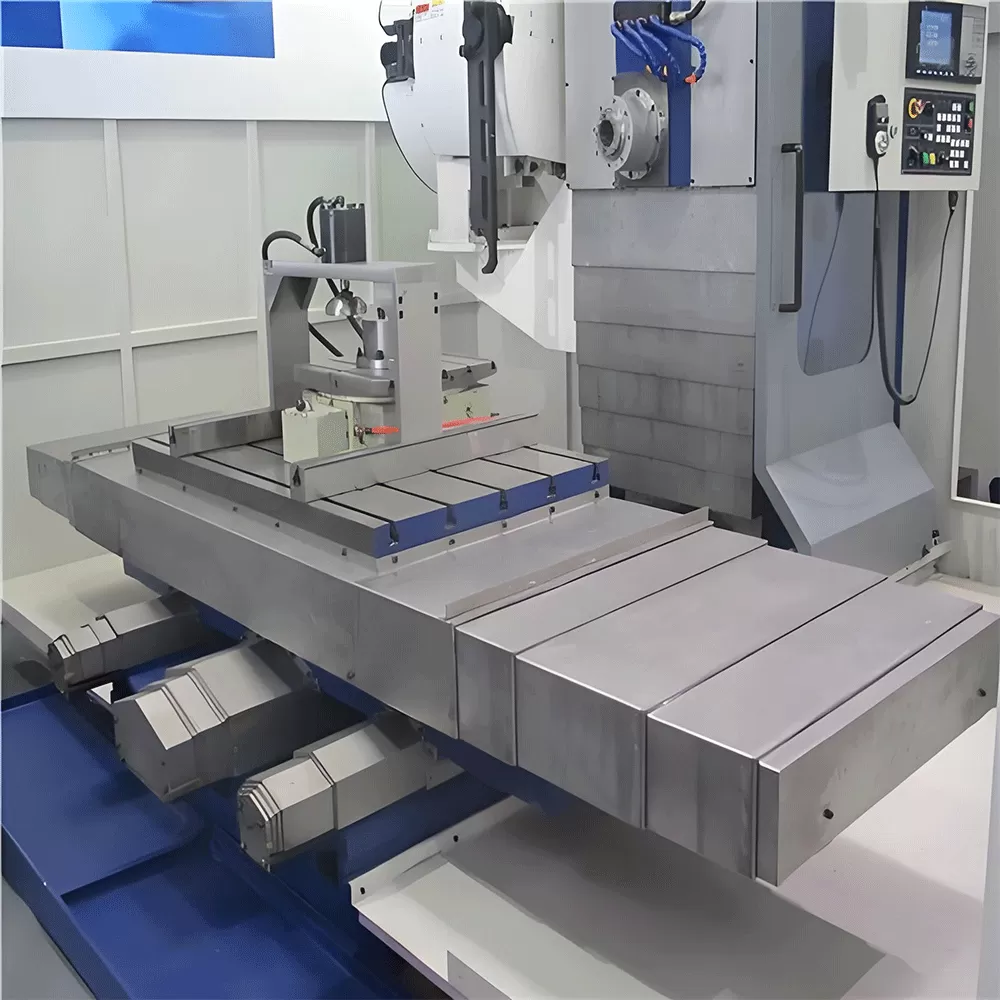
In high-precision manufacturing, the longevity and accuracy of machine tools depend heavily on the protection of their internal motion components. CNC milling centers operate under demanding conditions, generating hot metallic chips, abrasive dust, and high-pressure chemical coolants. Without adequate protection, these elements quickly degrade linear guides, ball screws, and encoder scales. Implementing high-quality milling machine way covers is a fundamental requirement to prevent premature component wear, maintain geometric machining tolerances, and reduce unplanned manufacturing downtime.
As a specialized manufacturer of machine tool accessories, QUNHUI designs and fabricates durable protective systems tailored to the specific operating parameters of modern industrial machinery. This article examines the engineering principles, material selection criteria, and maintenance practices required to ensure your machine guideways remain fully protected under continuous operational stress.
The Role of Way Protection in Precision Machining
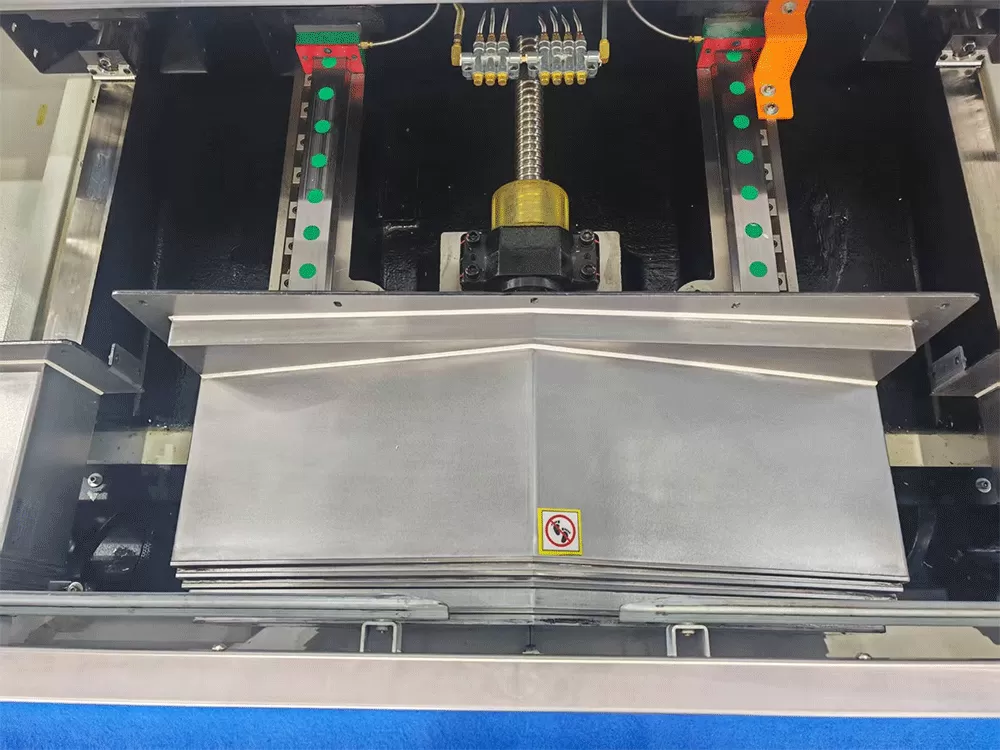
The primary function of milling machine way covers is to act as a physical barrier between the machining envelope and the precise movement mechanisms of the machine tool. Modern CNC milling involves high spindle speeds and rapid feed rates, which produce substantial volumes of waste material. If left unguarded, the slideways suffer from several destructive phenomena:
Abrasive Wear: Fine metal particles, cast iron dust, and composite fragments can lodge between the slide block and the rail, acting as an abrasive paste that grinds away the hardened steel surfaces.
Coolant Ingress: High-pressure coolant delivery systems can force liquid, chemical additives, and fine particulates past standard slide wipers, washing away crucial lubrication and causing subsurface corrosion.
Impact Damage: Heavy, sharp workpieces or dropped tools can nick or gouge uncovered linear guideways, leading to permanent structural damage and loss of positioning accuracy.
By installing robust protective systems, manufacturers safeguard their capital investments, ensuring that the machine's positional repeatability and slide linearity are preserved over years of multi-shift operation.
Types of Milling Machine Way Covers and Their Applications
Different machining environments and axis movement profiles require specific protective configurations. The most common designs utilized in modern milling centers include telescopic steel covers, bellows, and apron covers. Understanding the structural differences is key to selecting the correct system for your workshop.
1. Telescopic Steel Covers
For heavy-duty milling applications where hot, sharp chips and high volumes of coolant are standard, telescopic steel covers offer the highest level of physical protection. Fabricated from high-tensile cold-rolled steel or stainless steel sheets, these covers consist of overlapping segments that glide smoothly over one another.
Structural Rigidity: Designed to withstand heavy chip loads and even the weight of maintenance operators walking on larger machines.
Wiper Integration: Each segment is fitted with a specialized polyurethane or synthetic rubber wiper blade that cleans the adjacent surface during compression and expansion.
Damping Elements: Equipped with brass rollers, non-metallic glide shoes, and dampening bumpers to ensure quiet, low-friction operation at high travel velocities.
2. Flexible Protective Bellows
In applications where high acceleration, rapid feed rates, and space constraints are present, flexible bellows are often the preferred choice. These covers are constructed from technical fabrics, polyurethane-coated nylon, or heat-resistant materials supported by internal PVC or aluminum stiffening frames.
High Dynamics: Excellent for high-speed machining centers where axis acceleration exceeds 1G, as their lightweight construction minimizes inertial drag.
Compact Compressed Length: Bellows offer a superior ratio of extended-to-compressed length, making them ideal for machines with limited installation space behind the worktable.
Specialized Coatings: Available with aluminized coatings to reflect radiant heat or polyurethane laminates to resist oil and moisture penetration.
3. Apron and Link-Type Covers
Often used in older vertical milling machines or space-constrained areas, apron covers consist of linked aluminum or stainless steel slats that roll up or hang freely. While they provide good protection against heavy direct chip impact, they do not offer the hermetic sealing capabilities against fine dust and coolant provided by telescopic systems or enclosed bellows.
Engineering Challenges in Way Cover Design
Designing effective milling machine way covers requires a detailed understanding of mechanical forces and material limits. Standard off-the-shelf solutions rarely meet the demands of high-performance CNC machining centers. Engineering teams must evaluate several parameters to achieve a reliable custom fit.
Velocity and Acceleration Demands
Modern linear-motor-driven milling machines operate at rapid traverse speeds exceeding 60 meters per minute with high acceleration profiles. Telescopic steel covers must be designed to withstand these rapid directional changes. If the telescopic sections collide abruptly during high-speed compression, the resulting impact can deform the steel panels, damage the internal brass guides, and cause catastrophic failure. QUNHUI utilizes synchronized pantograph systems and heavy-duty polyurethane dampeners to distribute the deceleration forces evenly across all cover segments, ensuring smooth operation at elevated speeds.
Wiper Profile and Material Durability
The wiper blade is the primary wear part of any telescopic cover system. It must maintain constant, uniform pressure against the moving steel plates to prevent micro-chips and coolant from penetrating the assembly. Common materials include:
Polyurethane (PU): Excellent abrasion resistance and high mechanical strength, highly resistant to mineral-based oils and standard coolants.
Nitrile Rubber (NBR): Offers good flexibility and reliable sealing properties, though less resistant to highly aggressive synthetic coolants.
Fluorocarbon Elastomers (Viton): Utilized in high-temperature environments or where highly corrosive chemical solvents are present.
Corrosion and Chemical Resistance
Coolants used in metalworking contain chemical rust inhibitors, biocides, and emulsifiers that can degrade non-metallic components over time. Additionally, the constant presence of moisture can lead to surface oxidation on carbon steel plates. For environments using highly aggressive synthetic or semi-synthetic coolants, utilizing corrosion-resistant stainless steel (such as SUS304 or SUS316) for the cover panels is highly recommended to prevent rust formation and preserve structural integrity.
Manufacturing and Customization by QUNHUI
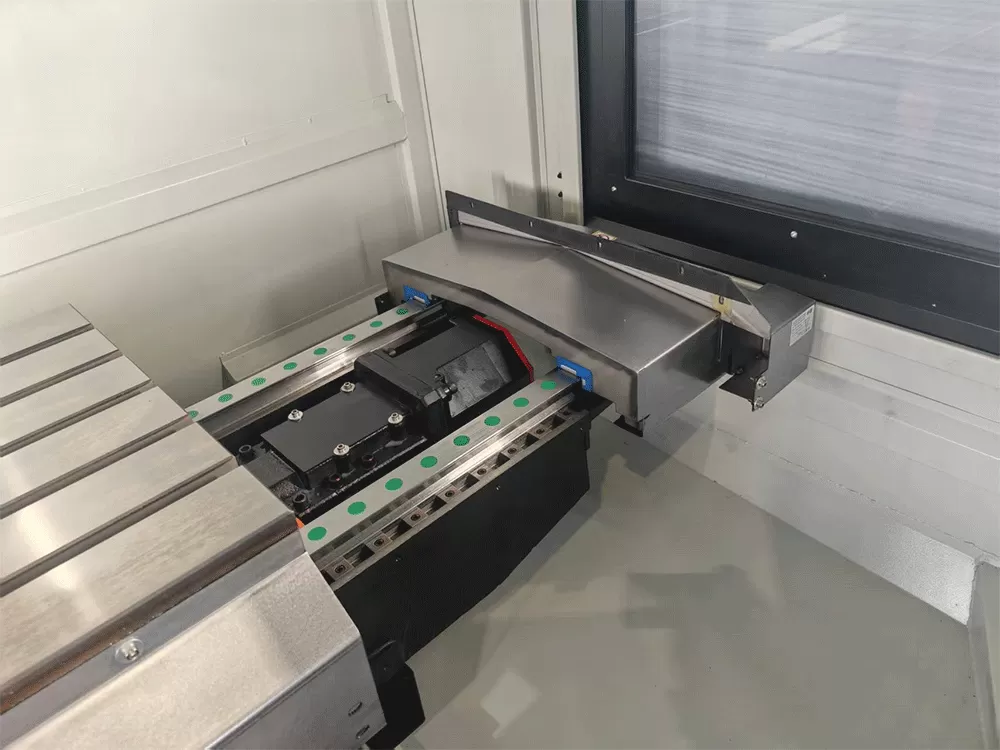
At QUNHUI, we recognize that every machining center operates under unique spatial and environmental conditions. We specialize in the precision design and manufacturing of custom milling machine way covers engineered to match your machine's exact specifications.
Our manufacturing process begins with a comprehensive analysis of the machine tool's geometry, travel limits, operating speeds, and typical chip loading characteristics. Using advanced 3D CAD modeling, our engineering team designs protective systems that maximize the usable workspace while maintaining a highly compact compressed footprint. Each panel is precision-cut using state-of-the-art laser machinery and CNC press brakes to ensure exact dimensional tolerances. Every assembled cover undergoes rigorous movement and sealing tests prior to shipment, ensuring reliable field performance and straightforward installation.
Maintenance and Troubleshooting Protocols
To ensure a long service life and prevent unexpected machine stops, a regular preventive maintenance schedule must be established for all machine tool protective systems.
Daily Inspections and Cleaning
At the end of every operating shift, operators should clear accumulated metal chips from the horizontal surfaces of the telescopic covers. Heavy build-up of chips, particularly cast iron or hardened steel fragments, can become trapped between segments during compression, leading to dented panels and torn wiper blades. Wipe the outer surfaces clean and inspect for any visible alignment issues or loose components.
Monthly Lubrication and Wiper Assessment
The internal sliders, brass guide shoes, and support rollers require regular lubrication to minimize friction-induced wear. Apply a thin layer of recommended machine slide oil to the surface of the telescopic plates. During this process, inspect the wiper edges for signs of tearing, hardening, or swelling caused by chemical degradation. Worn wipers must be replaced immediately to prevent contaminants from reaching the precision guideways beneath.
Addressing Common Structural Failures
If a telescopic cover exhibits jerky movements, loud banging noises during travel, or visible gapping between the segments, the system should be taken out of service for inspection. These symptoms typically indicate worn guide shoes, broken dampening bumpers, or bent steel panels. Continuing to run the machine with a compromised cover risks transferring the impact forces directly to the linear guide rails and ball screws, resulting in far more expensive structural repairs.
Frequently Asked Questions
Q1: What are the main differences between telescopic steel covers and bellows?
A1: Telescopic steel covers are made from heavy steel plates and are designed to protect against heavy hot chip loads, sharp materials, and heavy coolant exposure in rugged milling environments. Bellows are made of flexible fabrics and are lighter, allowing for faster speeds and accelerations with a much shorter compressed length, making them ideal for high-speed light machining or environments with limited physical space.
Q2: How often should the wipers on telescopic way covers be replaced?
A2: Wiper life depends on the machining environment, shift frequency, and the type of coolant used. In typical high-production multi-shift operations, it is recommended to inspect the wipers every three to six months and replace them annually, or sooner if they show signs of hardening, tearing, or loss of sealing pressure.
Q3: Can damaged telescopic covers be repaired, or do they require complete replacement?
A3: Many damaged covers can be successfully repaired if the structural deformation is localized. Skilled technicians can straighten bent steel panels, replace worn brass guides, install new wipers, and recalibrate the assembly alignment. However, if the support framework is severely twisted or the panels have sustained deep structural gouges, complete replacement is often more cost-effective to guarantee proper protection of the machine ways.
Q4: What materials are best suited for machines using water-soluble coolants?
A4: For machines using water-soluble or synthetic coolants, we recommend using stainless steel for the telescopic panels to eliminate the risk of surface rust. The wiper blades should be made of high-grade polyurethane designed specifically for chemical and hydrolytic resistance to prevent swelling and degradation over time.
Q5: How does QUNHUI ensure the correct fit for customized way covers?
A5: QUNHUI works directly with your engineering team to obtain precise measurements of your machine tool's bedways, travel limits, cross-sections, and clearance zones. We provide detailed engineering drawings for verification and approval before beginning production, ensuring a precise match with your existing machine mounting points.
Contact QUNHUI for Precision Machine Protection Solutions
Protecting your machine tool guideways is a continuous investment in manufacturing accuracy and operational reliability. Standard covers often fail to meet the performance demands of modern heavy-duty machining, leading to unnecessary maintenance costs and lost production capacity. Partnering with an experienced manufacturer ensures your machinery remains shielded against the harshest operating environments.
The engineering team at QUNHUI is ready to assist you in designing, manufacturing, or refurbishing your protective systems. Whether you require a single custom-designed replacement cover for an existing milling center or a high-volume supply for new machine builds, we deliver engineered solutions that align with your operational requirements. Contact our technical department today to discuss your project specifications, submit your drawings, or request a detailed technical quotation.