
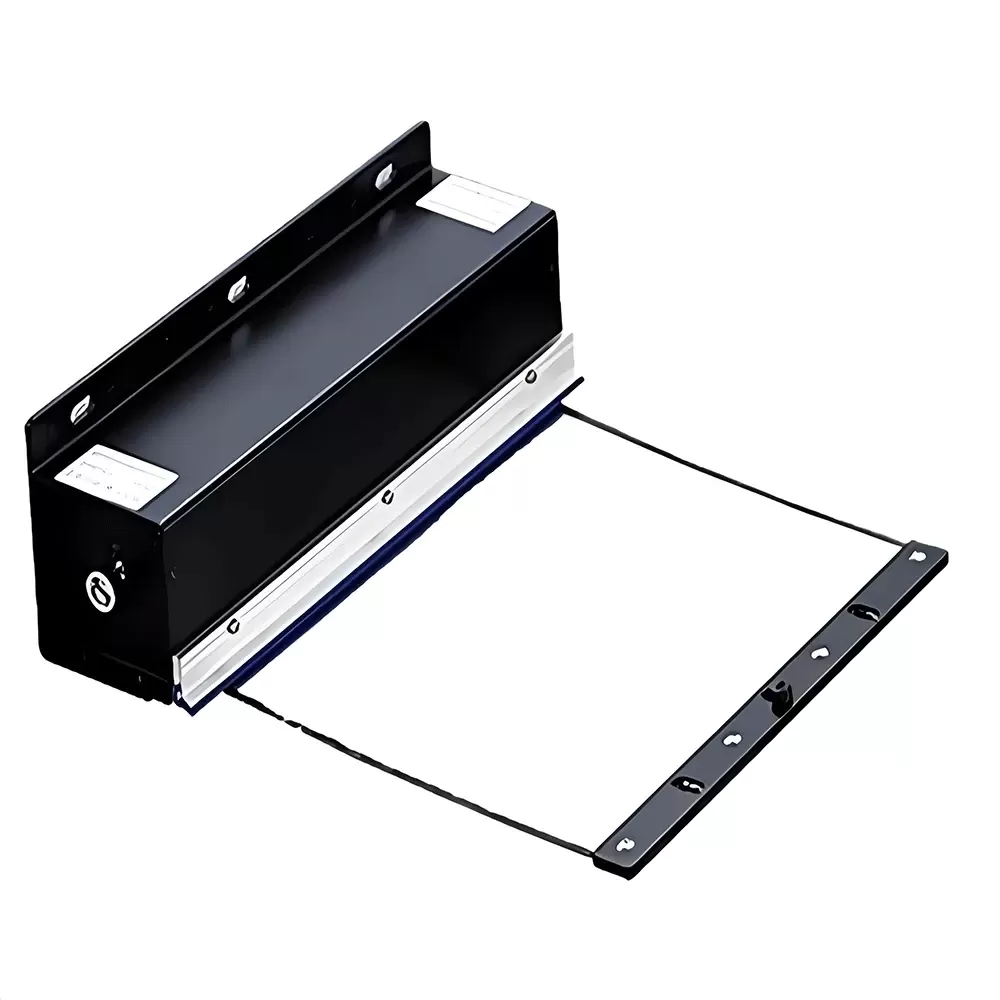
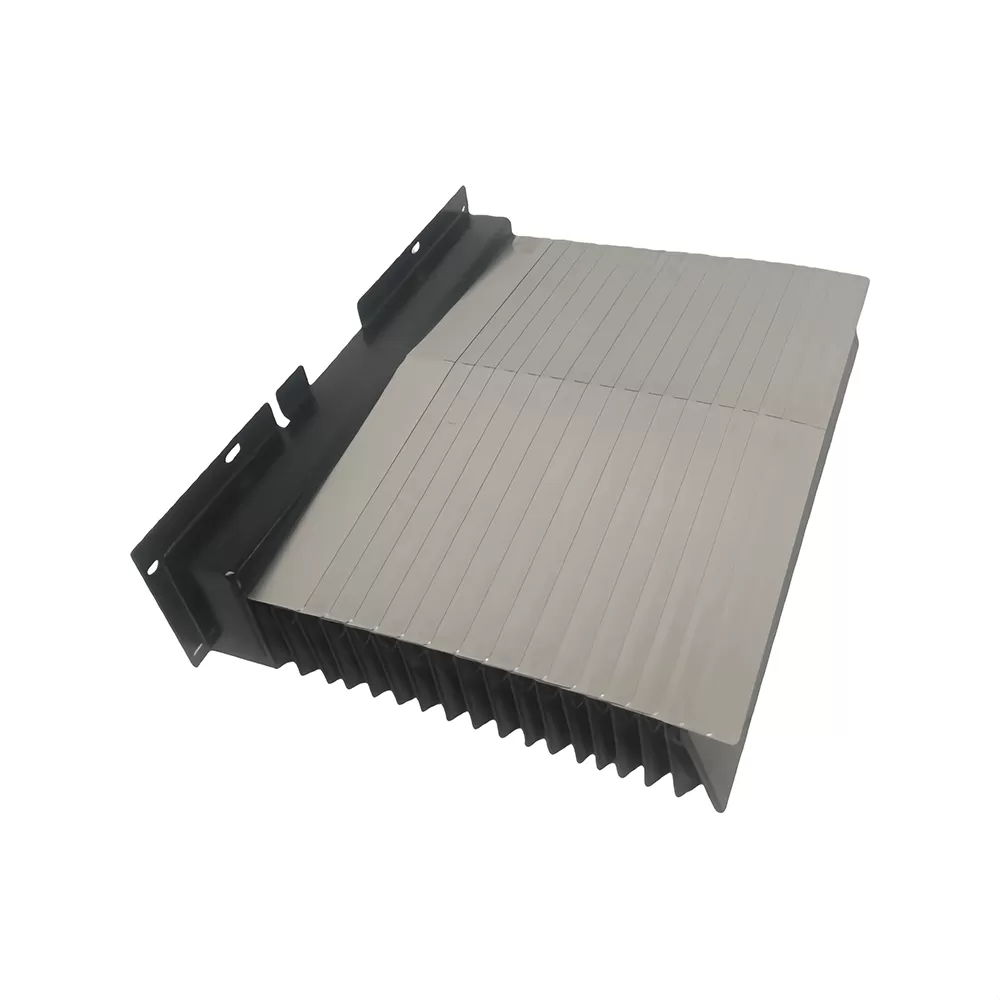
Modern CNC machining centers operate under demanding conditions characterized by high-speed spindle rotation, rapid axis acceleration, and continuous exposure to abrasive elements. To maintain positioning accuracy over extended production cycles, machine builders rely on telescopic steel covers to shield the underlying linear guideways and ball screws. However, the performance of these protective systems depends heavily on the sealing components installed at each telescopic segment interface, specifically the cnc way cover wipers. These components scrape away fine metal dust, abrasive particles, and liquid coolant during rapid axis movements, preventing debris from entering the internal machinery.
Without high-performance wiping systems, fine particulate matter and chemical residues can migrate underneath the steel plates. Once inside, these contaminants degrade the lubricating oil, accelerate wear on linear guide blocks, and cause mechanical friction. Selecting the appropriate wiping profile and material composition is therefore a fundamental requirement for maintaining machine tool reliability and preventing unplanned maintenance events.
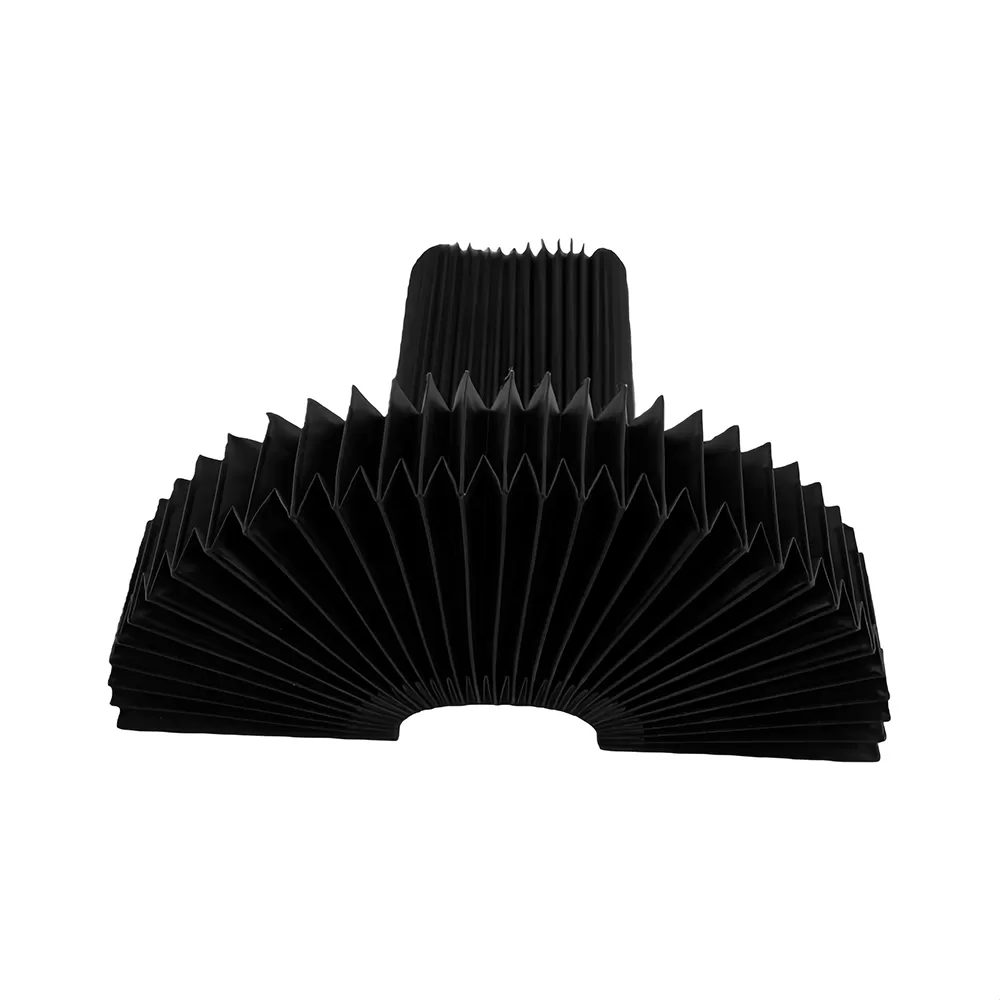
The Engineering and Geometry of Way Cover Wipers
The primary design objective of a way cover wiper is to maintain uniform, continuous contact pressure against the sliding steel plates of the telescopic cover. This task requires balancing the structural stiffness of the carrier profile with the elastic deflection of the sealing lip. If the contact pressure is too low, fine fluids and microscopic particles pass beneath the lip; if it is too high, the resulting friction accelerates wear on both the wiper and the steel cover plates.
Wiper assemblies generally consist of two primary parts:
The Carrier Profile: Usually manufactured from corrosion-resistant materials such as stainless steel, brass, or aluminum. The carrier provides the structural rigidity needed to withstand mechanical impacts from flying hot chips and maintains the straightness of the wiping edge across the entire width of the cover.
The Wiping Lip: An elastomeric element bonded, mechanical clamped, or vulcanized directly to the carrier. The geometry of the lip profile is shaped to act as a plow, deflecting solid shavings outward and scraping fluid films clean off the sliding surface.
Depending on the mounting space and axis dynamics, engineers utilize various profile geometries. Flat wipers are common for standard linear movements, while casing or box-type profiles provide additional structural protection in environments with high chip volumes. Some specialized configurations incorporate pre-tensioned spring-steel backings to ensure constant contact even when the telescopic plates experience minor deflection or wear over years of service.
Material Selection and Environmental Resistance
The operating environment inside a CNC machine tool exposes elastomeric components to mechanical wear, high temperatures, and chemical degradation. Choosing the correct polymer formulation is the most decisive factor in determining the service life of the wiper system. Standard materials used in manufacturing these protective components include:
Polyurethane (PU)
Polyurethane is widely selected for its high tensile strength and superior resistance to mechanical abrasion. It withstands the abrasive action of sharp steel, aluminum, and cast iron chips. However, polyurethane formulations are susceptible to hydrolysis when exposed to water-soluble coolants at elevated temperatures. For such applications, specialized ether-based polyurethanes are preferred over ester-based variants due to their stable chemical bonds in wet environments.
Nitrile Butadiene Rubber (NBR)
NBR offers excellent resistance to mineral oils, greases, and standard cutting fluids. It exhibits good elasticity and dynamic sealing properties under moderate loads. While NBR is less wear-resistant than polyurethane, its chemical stability in oil-rich environments makes it a reliable option for turning centers and grinding machines utilizing neat cutting oils.
Fluorocarbon Elastomers (FKM / Viton)
In applications where synthetic coolants containing aggressive chemical additives are utilized, or where ambient temperatures are elevated, fluorocarbon elastomers provide the necessary chemical inertia. FKM resists swelling and softening when exposed to synthetic esters and chlorinated lubricants, though it is more susceptible to tearing under high physical impact compared to polyurethane.
To address these diverse environmental challenges, manufacturers like QUNHUI utilize advanced vulcanization processes to bond specialized elastomers to rigid metal backings. These engineered cnc way cover wipers manufactured from high-grade polyurethane or FKM ensure stable mechanical properties when exposed to synthetic oils and high-pressure washing systems.
Common Wear Mechanisms and Operational Indicators
Because they are in constant physical contact with moving parts, wipers are subject to wear and must be inspected periodically. Understanding the mechanics of wiper degradation helps maintenance personnel identify problems before they lead to guideway damage. The performance of cnc way cover wipers decreases over time due to several factors:
Abrasive Cutting: Sharp, hot metal chips can lodge between the wiping lip and the telescopic plate. As the cover retracts, these trapped particles act as cutting tools, slicing the elastomeric edge and creating paths for fluid ingress.
Chemical Degradation: Incompatible cutting fluids cause the elastomer to swell or become brittle. Brittle wipers lose their flexibility and crack under dynamic movement, while swollen lips lose their pre-tension and warp, creating gaps.
Thermal Hardening: Accumulations of hot metal shavings resting directly against the wiper carrier transfer thermal energy to the elastomer. This localized heating can accelerate the aging process, leading to a loss of elasticity and subsequent sealing failure.
Indicators of wiper wear include visible coolant streaks left on the telescopic plates behind the wiping path, unusual squeaking noises during axis movement, and the accumulation of fine sludge inside the telescopic cover boxes. Regular monitoring of these signs prevents the degradation of the underlying linear guide lubrication system.
Custom Engineering and Adaptation for Industrial Automation
Standard off-the-shelf wiping profiles often fail to meet the requirements of specialized machine tool designs. Inclined beds, vertical columns, and multi-axis machining heads present complex geometries that require precisely shaped sealing solutions. Mitred corners, welded joints, and variable pre-load zones must be engineered to match the specific contours of the machine enclosure.
At QUNHUI, we manufacture tailored cnc way cover wipers designed to fit specific machine configurations, ensuring a precise match with the original equipment manufacturer (OEM) specifications. The customization process involves a detailed analysis of the sliding speed, chip load, and coolant chemistry. For heavy-duty milling applications where hot chips are projected at high velocities, dual-stage wiping systems can be designed. These systems feature a brass scraping blade that deflects large, hot metal debris, followed by a durable polyurethane lip that wipes away fine dust and liquid coolant.
Implementation, Alignment, and Maintenance Protocols
Correct installation is as important as material quality in determining the effectiveness of a wiping system. Misaligned wipers or incorrect pre-tensioning can cause premature wear or failure of both the wiper and the telescopic cover plates. During replacement procedures, the following steps are recommended:
Surface Cleaning: Thoroughly clean the mounting flange of the telescopic cover and the surface of the mating plate. Remove all residues of old adhesives, grease, and fine metal dust.
Pre-load Verification: Position the wiper according to the specified installation depth. A uniform pre-load across the entire length of the wiper prevents localized gaps. Verify this alignment using a standard feeler gauge.
Securing the Assembly: Ensure that all mechanical fasteners are tightened to the recommended torque specifications. If welding or riveting the carrier profile, avoid overheating the assembly, as excessive thermal transfer can damage the bonded elastomeric lip.
Lubricant Application: Apply a light coat of compatible slideway oil to the wiping lip before the first operation. This initial lubrication prevents dry friction during the initial machine start-up phase.
For operations with high production throughput, selecting durable cnc way cover wipers is a vital aspect of preventive maintenance. Implementing standard replacement schedules based on spindle operating hours reduces the likelihood of unexpected downtime and maintains the geometric accuracy of the machine tool.
Frequently Asked Questions
Q1: How often should CNC way cover wipers be inspected and replaced?
A1: Inspection intervals depend on the machining environment. In high-production facilities operating multiple shifts with high chip volumes, visual inspections should be performed monthly. Generally, complete replacement of the wiping elements is recommended every 12 to 18 months, or immediately if tearing, swelling, or coolant bypass is observed.
Q2: Can standard polyurethane wipers be used in dry machining applications?
A2: Dry machining generates hot, abrasive dust and high ambient temperatures inside the machine enclosure without the cooling effect of liquid emulsions. While polyurethane has excellent abrasion resistance, standard formulations may degrade under continuous exposure to hot chips. For dry machining of materials like cast iron or graphite, specialized high-temperature elastomers or metal-clad wipers are recommended.
Q3: What causes telescopic way covers to make jerking movements during operation?
A3: This stick-slip phenomenon is often caused by high friction between the wiper lip and the steel plates, which can result from improper pre-load adjustment, a lack of way lubrication, or the chemical swelling of the wiper elastomer. Replacing worn wipers and ensuring proper oil delivery to the slideways resolves this issue.
Q4: How do I determine the correct profile for a custom way cover wiper replacement?
A4: Designing a custom replacement requires measuring the cross-sectional dimensions of the existing carrier, the height and thickness of the elastomeric lip, the overall length of the cover segment, and the mounting method. Providing CAD files or physical samples of the worn profile ensures that the replacement matches the machine requirements.
Q5: What is the benefit of using a metal-clad wiper system over a solid rubber wiper?
A5: Metal-clad wipers combine a brass or stainless steel scraping blade with a trailing rubber lip. The leading metal blade physically deflects large, hot, or sharp metal shavings that would otherwise cut or melt a rubber lip. The trailing rubber element then removes the remaining liquid film, providing superior protection in heavy-duty milling and turning applications.
Inquiry and Support
Maintaining the structural integrity of your CNC machinery requires high-quality protective components. Selecting the correct wiper material and profile configuration prevents premature linear guide wear and helps avoid expensive repair costs. If you require custom profile designs, material compatibility advice, or bulk replacement parts, please contact our engineering department to submit an inquiry. The engineering team at QUNHUI is available to provide detailed specifications and tailored manufacturing solutions to meet your industrial automation requirements.