
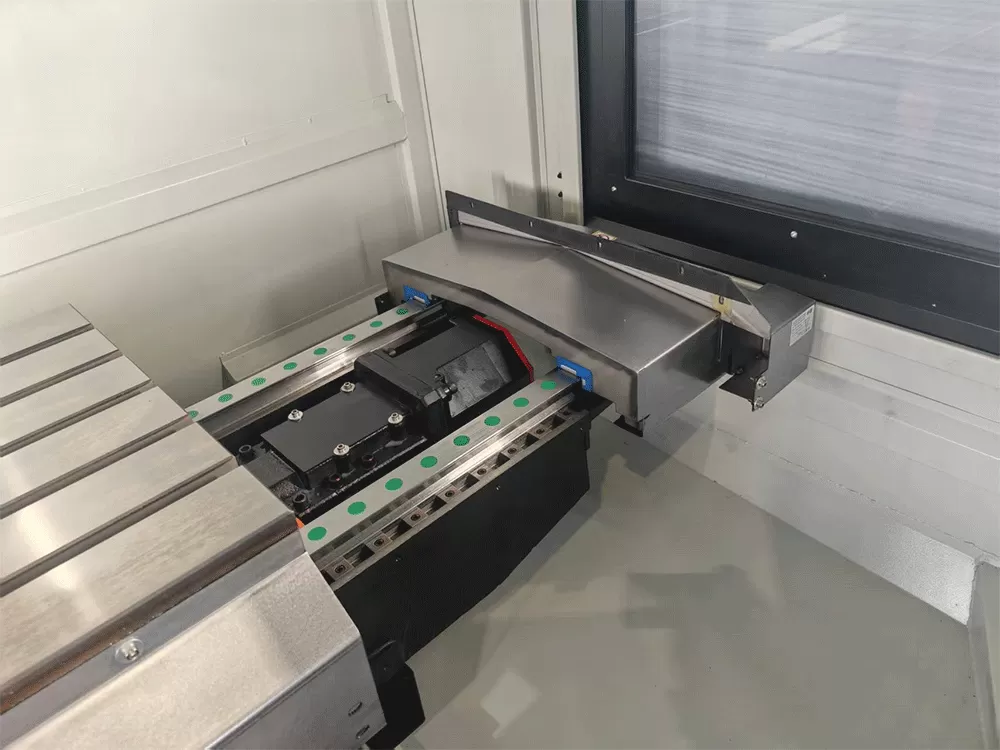
Subtractive manufacturing operations subject machine tool components to highly destructive environments. High-velocity chips, abrasive particulate matter, and chemically aggressive metalworking fluids constantly threaten the structural integrity of guideways and linear motion systems. Protecting these components is a primary concern for plant managers and machinery builders who require consistent part accuracy and minimal operational downtime. Protective barriers, specifically way covers for milling machine configurations, serve as the primary line of defense for these precision surfaces.
Without adequate protection, guideways suffer accelerated abrasive wear, which directly compromises positioning accuracy and surface finish quality. This analysis examines the engineering principles, material options, design parameters, and maintenance practices required to maximize the service life of machine tool guideway protection systems, with a focus on solutions manufactured by QUNHUI.
The Mechanics of Guideway Wear and the Role of Protective Barriers
Modern milling centers utilize high-precision linear guide rails or traditional cast-iron box ways to guide machine axes. These components are manufactured to tolerances measured in microns. During the cutting process, the interaction between the tool and the workpiece generates a variety of destructive elements, including hot metallic chips, fine abrasive dust (such as cast iron micro-particles or graphite), and chemical coolants.
When these contaminants settle on exposed guideways, the movement of the machine slide forces them into the bearing blocks or under the slide ways. This action leads to several distinct degradation processes:
Abrasive Wear: Hard particulates grind between the sliding surfaces, scoring the metal and destroying the geometry of the guideways.
Corrosion: Moisture and chemical additives in water-soluble coolants can penetrate lubricant films, leading to surface oxidation and pitting.
Stick-Slip Effect: Contamination disrupts the hydrostatic or hydrodynamic lubrication film, causing erratic motion at low feed rates.
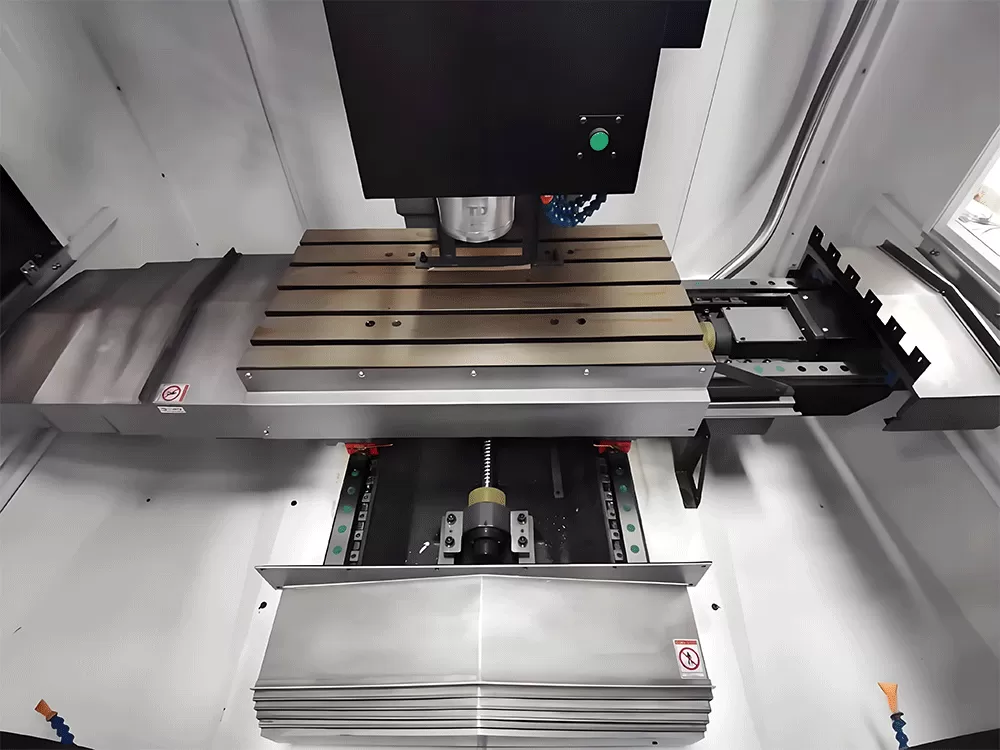
Ballscrew Damage: Exposed lead screws and ballscrews collect debris, leading to ball degradation and backlash issues.
Implementing custom-engineered way covers for milling machine assemblies prevents these contaminants from contacting the sliding surfaces, maintaining the integrity of the lubrication film and safeguarding the structural accuracy of the machine tool.
Classifications of Way Covers for Milling Machine Applications
Guideway protection systems are not universal; different machining environments, axis speeds, and structural constraints require distinct cover designs. Selecting the correct configuration is necessary to balance protection with machine dynamics.
Telescopic Steel Covers
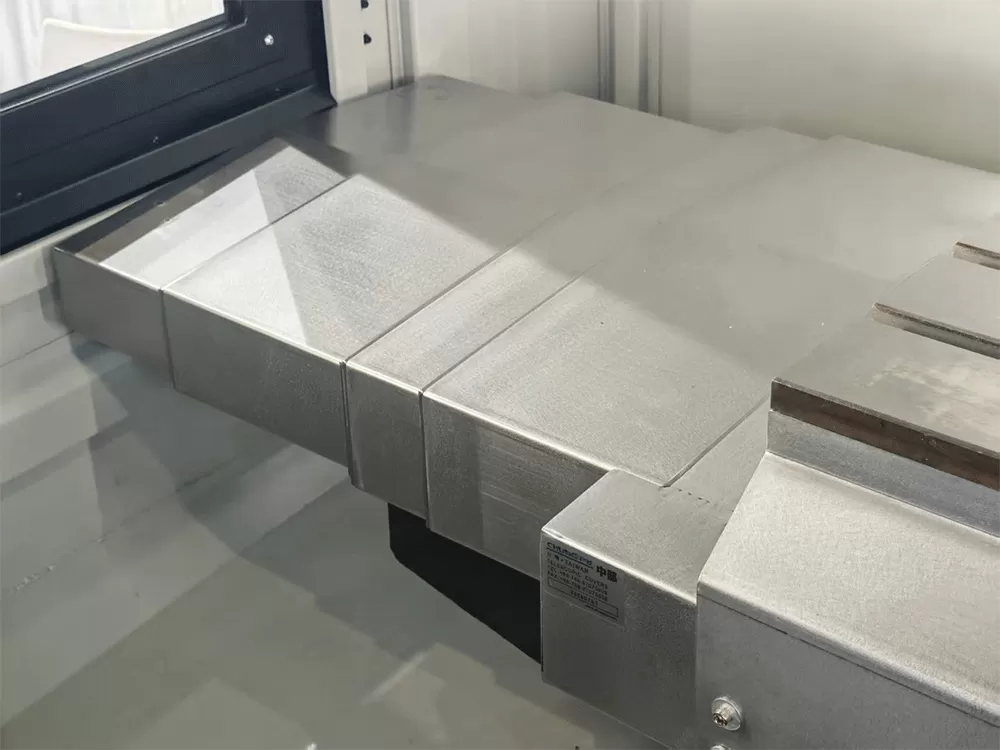
For heavy-duty milling applications where hot metal chips, heavy coolant flow, and dropped tools are common, telescopic steel covers provide the most robust protection. These covers consist of overlapping sheet steel sections that slide over one another. Each section is fitted with a specialized wiper lip that cleans the surface of the adjacent plate during retraction.
QUNHUI designs telescopic covers using high-tensile cold-rolled steel or stainless steel, with thicknesses ranging from 1.5 mm to 3.0 mm depending on the size of the machine. These systems often incorporate brass or synthetic guide shoes to minimize sliding friction, along with damping elements to absorb shock during high-speed travel.
Flexible Bellows (Accordion Covers)
When axis acceleration is high and space is limited, flexible bellows provide a lightweight and cost-effective alternative. These covers are constructed from high-durability fabrics, such as polyurethane-coated nylon or Kevlar, supported by internal PVC or aluminum stiffeners in each fold. Bellows offer high compression ratios, meaning they compress into a very small footprint relative to their fully extended length.
While standard bellows are vulnerable to hot, sharp metal chips, hybrid versions feature stainless steel laminates (lamellas) attached to the upper surface of each fold. This design combines the flexibility of fabric bellows with the chip resistance of steel covers.
Apron and Roll-Up Covers
For space-constrained axes, particularly on vertical machining centers where the vertical (Z-axis) guideways are exposed to downward chip fall, apron or roll-up covers are frequently utilized. Apron covers consist of interconnected aluminum or steel slats that hang vertically, creating a continuous barrier. Roll-up covers utilize a spring-loaded roller mechanism, similar to a window shade, to wind and unwind a heavy-duty polyurethane or neoprene-coated fabric sheet as the axis moves.
Key Engineering Parameters for Way Cover Design
Specifying a protective system requires a thorough analysis of the machine tool’s operating profile. A mismatch between cover capabilities and machine performance leads to premature failure of both the cover and the guideway.
The following engineering parameters must be evaluated during the design phase:
| Parameter | Design Impact | Key Considerations |
|---|---|---|
| Max Velocity and Acceleration | Determines mechanical stress and need for pantographs. | Speeds exceeding 30 m/min require synchronized extension mechanisms to prevent collision forces. |
| Lmin (Compressed Length) | Limits the usable stroke of the machine axis. | Must be minimized through optimized plate thickness and wiper profiles. |
| Lmax (Extended Length) | Ensures full coverage at the limits of travel. | Must accommodate the entire physical travel limit of the machine bed. |
| Coolant Chemistry | Influences wiper material selection. | Synthetic and oil-based coolants require specialized polyurethane compounds to prevent swelling. |
| Chip Load and Volume | Influences cover material selection. | Heavy, hot chips require steel plates; light dust is suited for bellows. |
Dynamics and Velocity Profiles
Modern high-speed machining centers operate at rapid traverse rates of 40 to 60 meters per minute, with accelerations often exceeding 1G. Under these conditions, standard telescopic covers can experience severe internal impacts. If the individual steel plates do not move in synchronization, they will collide as the axis retracts, causing rapid wear, noise, and structural deformation.
To address this, QUNHUI integrates scissor-link mechanisms (pantographs) into high-speed telescopic covers. This mechanism ensures that all telescopic plates extend and retract at a uniform, proportional rate, distributing the inertial forces evenly and reducing operational noise.
Wiper Profile and Material Engineering
The wiper is the most vulnerable component of any way cover. Its role is to scrape away fine chips, dust, and coolant from the adjacent plate or guide surface. If the wiper material degrades or hardens, particulates will slip underneath, causing scratching and binding.
Wiper materials must be selected based on their resistance to chemical attack and mechanical abrasion:
Polyurethane (PU): Offers excellent abrasion resistance and resistance to mineral-oil-based coolants. Suitable for most standard milling applications.
Nitrile Rubber (NBR): Provides good flexibility and sealing properties, though it has lower chemical resistance compared to advanced polymers.
Fluoropolymer (Viton): Reserved for high-temperature environments or highly aggressive synthetic cutting fluids.
The structural shape of the wiper lip also matters. A pre-tensioned stainless steel casing holding the polyurethane wiper blade ensures constant contact pressure against the sliding surface, compensating for minor misalignments or wear over time.
Diagnosing and Addressing Common Failure Modes
To prevent unexpected production stoppages, maintenance teams should monitor the physical condition of the way covers. Understanding the root causes of common failures allows for proactive maintenance before guideway damage occurs.
1. Jamming and Binding of Plates
When telescopic sections do not slide smoothly, it is often due to dented plates caused by falling workpieces or tool holders. Additionally, worn brass guide shoes can cause a plate to cock at an angle, leading to binding. Regular inspection should focus on identifying flat-surface deviations and replacing worn glide shoes or roller assemblies.
2. Coolant Ingress Under the Covers
If coolant is found pooling on the guideways behind the covers, it indicates a failure of the sealant between the cover segments or degraded wiper lips. Over time, the pre-tension in the wiper casing can diminish, leaving small gaps that allow pressurized fluid to bypass the barrier. Replacing the wiper inserts is necessary to restore the seal.
3. Excessive Noise and Vibration during Travel
Loud banging or scraping sounds during axis movement indicate that the deceleration bumpers are worn or that the scissor mechanisms have developed play. Replacing these small polyurethane bumpers and lubricating the pivot points of the scissor links will restore quiet, smooth operation.
QUNHUI Engineered Solutions for Machine Tool Protection
As an experienced manufacturer in industrial automation and machine protection, QUNHUI designs and fabricates custom way covers for milling machine installations across a range of industrial sectors. By analyzing the exact workspace dimensions, speed profiles, and chip volumes of each application, our engineering team creates tailored solutions that integrate with existing machine structures.
Our manufacturing process utilizes precision CNC laser cutting, press brake forming, and dynamic testing rigs to verify that every cover assembly operates smoothly at specified acceleration rates. Whether for retrofitting older equipment or supplying OEM machine builders, QUNHUI focuses on durability, alignment accuracy, and long-term wear resistance.
Frequently Asked Questions
Q1: How often should the wipers on telescopic way covers for milling machine units be inspected and replaced?
A1: Under standard three-shift production schedules, wipers should be visually inspected weekly for signs of tearing, hardening, or swelling. In high-volume machining environments using water-soluble coolants, replacing the wiper inserts every 12 to 18 months is recommended to maintain sealing efficiency and prevent guideway contamination.
Q2: What is the primary cause of premature bellows cover failure?
A2: The most common cause is exposure to hot, sharp metal chips that melt or puncture the outer fabric layer, followed by coolant penetration that breaks down the internal adhesives. In environments with heavy chip loads, selecting a lamella-protected bellows or a telescopic steel cover is highly advisable.
Q3: How do modern way covers handle high-speed axis acceleration without damaging the machine frame?
A3: High-speed covers incorporate internal scissor-like pantograph systems or heavy-duty damping springs. These mechanisms synchronize the movement of all plates, ensuring they move together rather than hitting each other sequentially, which minimizes impact forces and vibration.
Q4: Can worn way covers be repaired, or must they always be replaced?
A4: Many telescopic steel covers can be rebuilt. Minor dents can be straightened, brass guide shoes replaced, and new wiper systems installed. However, if the steel plates are severely warped, or if the geometric alignment of the sections is lost, a complete replacement is usually more cost-effective than continuous repair work.
Q5: What dimensional information is required to order a replacement way cover?
A5: To ensure accurate fabrication, you must provide the maximum extended length (Lmax), minimum compressed length (Lmin), total travel distance, width of the guideways, and the profile dimensions of the mounting flanges. Providing original equipment drawings or submitting the worn cover for physical measurement ensures a precise fit.
Custom Protection Engineering
Maintaining the structural accuracy of your machine tools requires consistent protection against the harsh machining environment. QUNHUI works closely with maintenance managers and machine design engineers to develop and manufacture custom-engineered protective systems that minimize wear and prevent unplanned downtime.
For custom engineering support, detailed dimension sheets, or to submit an inquiry regarding replacement covers for your machinery, please contact the engineering team at QUNHUI.