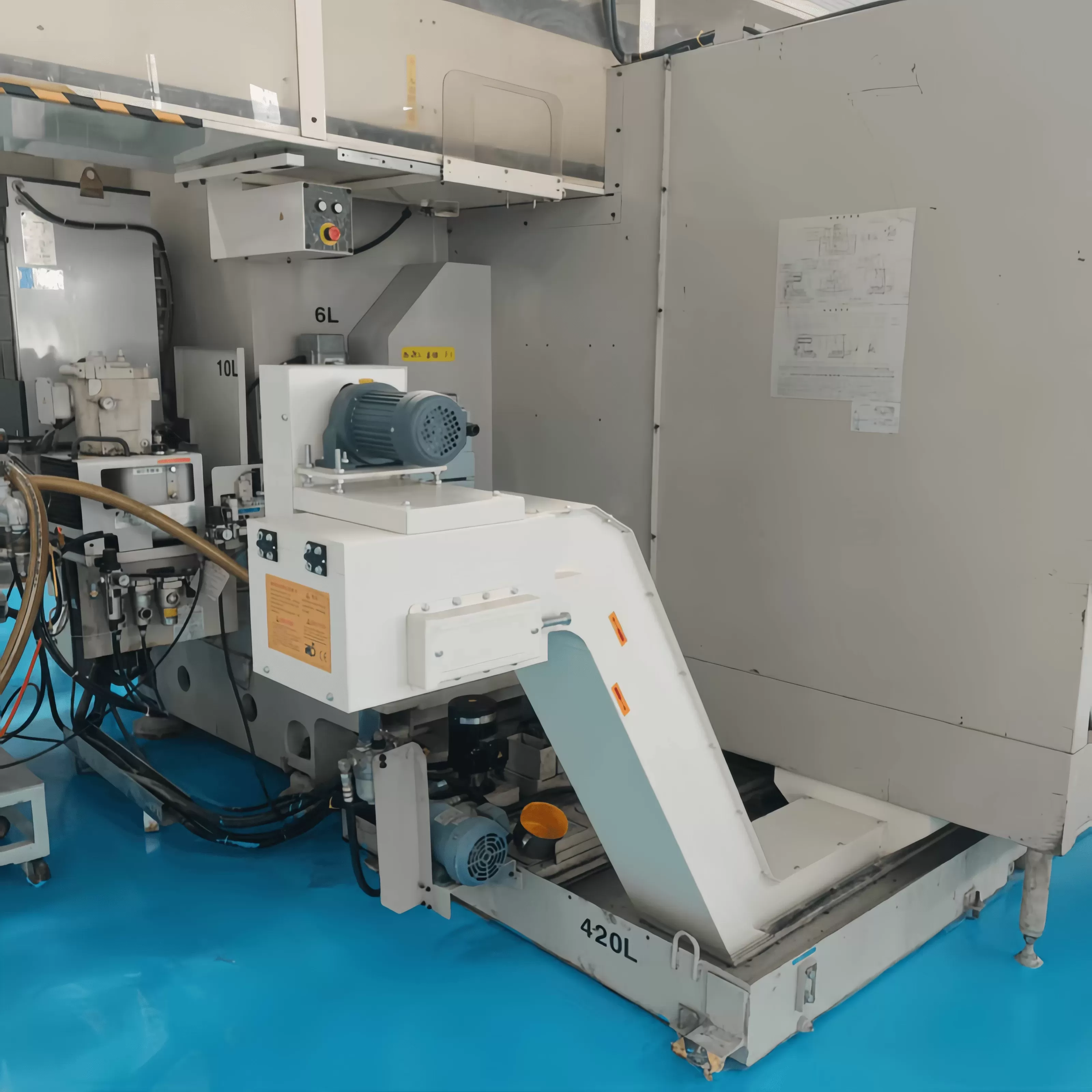
In high-volume manufacturing, the management of scrap material is as important as the machining process itself. Continuous subtractive manufacturing processes generate a vast volume of waste, commonly referred to as chips, swarf, or turnings. Without a robust method to remove these materials from the cutting zone, thermal build-up, tool damage, and machine downtime are inevitable. The integration of a high-performance chip conveyor cnc machine acts as the mechanical interface that continuous production environments rely on to sustain operation and protect investment in machine tools.
As industrial automation scales, the demands on scrap evacuation have grown. Standard off-the-shelf conveyor designs often fail when confronted with highly abrasive materials, high coolant flow rates, or mixed metal chips. Industrial equipment manufacturers like QUNHUI specialize in custom-engineered solutions that address these structural challenges. Understanding the mechanical differences among conveyor designs, material dynamics, and filtration systems allows manufacturing engineers to make informed decisions that match their operational goals.
-(3).webp?t=1783936762229 "磁性式排屑机(5)-(3)")
The Mechanical Varieties of CNC Chip Conveyors
Selecting the appropriate conveyor configuration requires an evaluation of the material being processed, the shape of the chips generated, and the presence of cutting fluids. Different conveyor mechanisms are designed to handle specific scrap profiles, and selecting the wrong configuration can lead to mechanical binding or premature component wear.
Hinged Belt Chip Conveyors
The hinged belt design is one of the most common configurations used in modern machine shops. It features a continuous loop of steel belt plates connected by hardened steel pins. These plates often have raised cleat profiles to prevent chips from sliding backward during elevation.
Best Suited For: Heavy scrap, long curly steel turnings, bushy chips, and casting parts.
Chain Pitch Standards: Standard designs utilize 31.75mm, 38.1mm, or 50.8mm chain pitches, depending on the volume of chip load and space constraints.
Mechanical Limitations: Fine chips, cast iron dust, and small brass particles can pass through the gaps between the hinged plates, settling in the bottom of the coolant tank where they can cause damage to high-pressure pumps.
Scraper and Drag-Link Conveyors
Scraper conveyors operate by utilizing a pair of chains connected by scraper bars (or drag flights). These bars scrape along the bottom of a hardened steel trough, dragging the settled chips up an inclined section to the discharge point.
Best Suited For: Fine chips, cast iron particles, brass, aluminum fines, and short broken chips.
Coolant Separation: Because the scraper bars move across the bottom of the enclosure, they allow coolant to flow freely through filtration screens while dragging the settled solids out of the fluid reservoir.
Mechanical Wear Considerations: The continuous contact between the scraper blades and the trough floor demands wear-resistant plate materials, such as manganese steel, to prolong the service life of the machine casing.
Magnetic Chip Conveyors
For operations dealing exclusively with ferrous metals, magnetic systems provide a reliable alternative. These systems do not have external moving belts. Instead, a series of powerful permanent magnets are attached to a chain drive running inside a sealed, oil-filled housing underneath a stationary stainless steel top plate.
Best Suited For: Ferrous materials, steel chips, fine drilling particles, and cast iron dust.
Maintenance Advantages: Since the moving parts are fully enclosed within a sealed chamber and do not make direct contact with the abrasive scrap metal, mechanical wear is minimized, reducing the frequency of chain adjustments.
Limitations: These systems are ineffective for non-ferrous materials such as aluminum, copper, brass, and stainless steel.
Screw and Auger Conveyors
Auger systems utilize a rotating helical screw thread to push metal chips forward. These are commonly used as primary collection systems inside the machine envelope, moving chips from the base of the column directly into a main hinged belt or scraper conveyor.
Best Suited For: Short chips, confined spaces, and simple directional transport.
Space Efficiency: The narrow cross-section of an auger allows it to fit directly under columns and ballscrews where traditional belt systems cannot be integrated.
The Relationship Between Chip Morphology and Conveyor Selection
The physical geometry of the metal debris is a primary factor in determining how a chip conveyor cnc machine must be configured. Steel chips produced during high-speed turning are often stringy and tough, forming large, tangled nests. When these nests enter a scraper conveyor, they can wrap around the drive shaft and cause structural binding. Conversely, cast iron machining produces a powdery, dry dust that acts as an abrasive paste when mixed with cutting fluids, requiring specialized scraping and filtration.
Aluminum machining presents another set of challenges. Due to its low density, aluminum chips tend to float on the surface of high-velocity coolant lines rather than settling to the bottom of the conveyor. To manage this behavior, QUNHUI engineers conveyor systems with targeted coolant flushing nozzles that drive floating chips toward the conveyor belt, alongside custom scraper configurations designed to clear sticky aluminum fines from the side tracks.
The following table illustrates the compatibility of various chip shapes with primary conveyor configurations:
| Chip Morphology | Hinged Belt Conveyor | Scraper Conveyor | Magnetic Conveyor | Screw/Auger Conveyor |
|---|---|---|---|---|
| Bushy / Stringy Steel | Highly Compatible | Poor (Risk of wrapping) | Moderate | Poor |
| Short / Broken Chips | Compatible | Highly Compatible | Highly Compatible (Ferrous) | Compatible |
| Cast Iron Fines & Dust | Poor (Passes through belt) | Highly Compatible | Highly Compatible | Moderate |
| Non-Ferrous Fines (Al/Cu) | Poor | Highly Compatible | Not Applicable | Compatible |
Integrating Coolant Filtration and Recovery Systems
Modern metal cutting is rarely done dry. The volume of coolant used in modern CNC milling and turning centers requires that any chip conveyor cnc machine must also serve as a fluid-solid separation system. When chips are evacuated, they carry a significant volume of coolant with them. Without proper drainage, this liquid is lost to the scrap bin, increasing operational costs and creating environmental compliance issues on the factory floor.
Advanced conveyor designs incorporate multi-stage filtration to recover coolant. In these systems, fluid and chips fall into the conveyor hopper. The primary conveyor removes the bulk of the metal solid waste, while the coolant passes through a secondary filtration stage. This stage often consists of self-cleaning rotary drum filters or paper band filters that trap particles down to 50 microns.
By removing these micro-fines before the coolant is pumped back into the machine tool, the lifespan of both the high-pressure pump and the cutting tools is prolonged. Clean coolant reduces thermal shock at the cutting edge and prevents the accumulation of sludge within the machine bed reservoirs, which minimizes manual maintenance cycles. QUNHUI designs these systems to ensure seamless fluid flow and high-efficiency particulate separation.
.webp?t=1783936762229 "磁性式排屑机(5)-(3)")
Structural Engineering and Wear Resistance Standards
A chip conveyor operates in an aggressive environment characterized by constant abrasive wear, high mechanical loads, and chemical exposure from water-miscible metalworking fluids. To withstand these forces, specific structural standards must be adhered to during the manufacturing of the conveyor.
The selection of sheet metal thickness and alloy composition directly impacts the frame lifespan. Structural frames are typically fabricated from heavy-gauge carbon steel, while areas exposed to high friction utilize wear-resistant alloy plates. Manganese steel liners are often welded into the curved transition zones where the conveyor belt shifts from horizontal to inclined paths, as these areas experience the highest level of abrasive sliding friction.
Alongside material selection, overload protection is necessary to prevent structural failure. When a workpiece accidentally falls into the conveyor chamber or a dense mass of chips causes a jam, the drive motor must be protected. Mechanical torque limiters or electronic current-monitoring relays are integrated into the drive assembly. If the torque exceeds a predefined threshold, the system immediately cuts power or initiates an automatic reversing cycle to clear the blockage, protecting the drive chain and sprocket assembly from permanent deformation.
The drive system itself typically utilizes a right-angle gear motor coupled directly to the drive shaft. Direct-drive configurations are preferred over chain-and-sprocket drive linkages because they eliminate the need for secondary chain adjustments and reduce the number of exposed rotating parts, which aligns with modern industrial safety standards.
Automation Integration and CNC Control Systems
In modern automated manufacturing, the chip conveyor cnc machine must communicate with the primary CNC controller. This integration allows the conveyor to operate in synchronization with the machining cycle, reducing energy consumption and mechanical wear when the spindle is idle.
Conveyors are typically wired into the machine tool's PLC interface, allowing operators to control conveyor functions via standard M-codes. Auxiliary features, such as automated wash-down systems that flush chips from the corners of the machine enclosure, can be programmed to run at specified intervals. Furthermore, integration with central factory management software allows for monitoring the fill level of external chip hoppers, notifying material handlers when a bin needs to be emptied to prevent overflow and associated line stoppages.
Operational Maintenance and Serviceability
To maintain consistent operation, routine preventative maintenance must be performed on the conveyor system. While these units are designed to handle demanding industrial waste, ignoring mechanical adjustments will lead to premature failure.
Chain Tensioning: Regular inspection of the drive chain tension prevents track derailment. Over-tensioning leads to excessive wear on the sprockets and pins, while under-tensioning can cause the belt to sag and catch on the structural frame.
Lubrication Schedules: Bearings and drive chains must be lubricated with high-viscosity lubricants resistant to coolant wash-off. Many QUNHUI designs feature externally accessible grease points, allowing maintenance personnel to service vital bearings without dismantling the safety covers.
Wiper Replacement: For scraper-style conveyors, the synthetic or brass wiper blades attached to the flight bars wear down over time. These must be inspected and replaced periodically to prevent fine chips from migrating behind the scraper track.
Custom Engineering Solutions with QUNHUI
No single chip conveyor design is suitable for every manufacturing application. Variations in machine tool envelope geometry, material characteristics, coolant pressures, and production volume require customized engineering to achieve long-term reliability. QUNHUI provides custom design and manufacturing services, tailoring every chip conveyor cnc machine to the exact specifications of the target CNC lathe, machining center, or automated production cell.
Whether you require a heavy-duty hinged belt system for handling steel forgings or a multi-stage filtration scraper conveyor for high-volume aluminum milling, our engineering team works with your technical parameters to construct a reliable, robust solution. Contact us today to discuss your specific chip management requirements and request a technical proposal for your production facility.
Inquiry and Consultation
Are you experiencing premature conveyor wear, coolant tank siltation, or frequent mechanical jams in your manufacturing line? Submit an inquiry to our application engineering team. Please provide details regarding your machine model, the type of material being processed, and your daily scrap volume. Our engineering specialists at QUNHUI will review your operational requirements and provide a detailed structural recommendation and quotation.
Frequently Asked Questions
Q1: Which conveyor type is best suited for aluminum machining?
A1: For short aluminum chips and fines, a scraper conveyor integrated with a coolant filtration screen is generally the most effective choice. Because aluminum chips have a low density and can float, the scraper design helps drag settled and suspended fines out of the tank. For long, curly aluminum turnings, a hinged belt conveyor is preferred, often combined with auxiliary coolant wash-down lines to keep the light chips moving.
Q2: How does a torque limiter protect the conveyor motor during a jam?
A2: A torque limiter is a mechanical or electronic device that disconnects the drive motor from the conveyor shaft when the resistance reaches a dangerous level. If a solid piece of scrap metal jams the conveyor chain, the torque limiter slips or shuts off power instantly. This prevents the motor from burning out and stops the drive sprocket from tearing or deforming the conveyor chain links.
Q3: What maintenance routines are required to prevent coolant contamination in the chip tank?
A3: Preventing coolant contamination requires checking and cleaning the integrated filtration screens, replacing worn wiper blades on scraper bars, and regularly removing accumulated sludge from the bottom of the coolant tank. Proper maintenance of tramp oil skimmers also helps prevent bacterial growth in the coolant that is processed by the conveyor system.
Q4: Can a conveyor be retrofitted to an existing CNC milling center?
A4: Yes, QUNHUI designs custom conveyors to fit the specific footprint and discharge height of existing CNC machines. Retrofitting requires precise measurements of the machine's internal chip chute, the coolant tank interface, and the electrical control cabinet to ensure physical compatibility and proper PLC communication integration.
Q5: How does chain pitch selection affect conveyor performance under heavy loads?
A5: Chain pitch determines the overall strength and load-carrying capacity of the conveyor belt. A larger pitch (such as 50.8mm) utilizes thicker pins and larger steel plates, which are suitable for high-volume scrap, heavy parts, and deep conveyor wells. A smaller pitch (such as 31.75mm) is designed for light-duty machining and compact machine enclosures where space is constrained.