
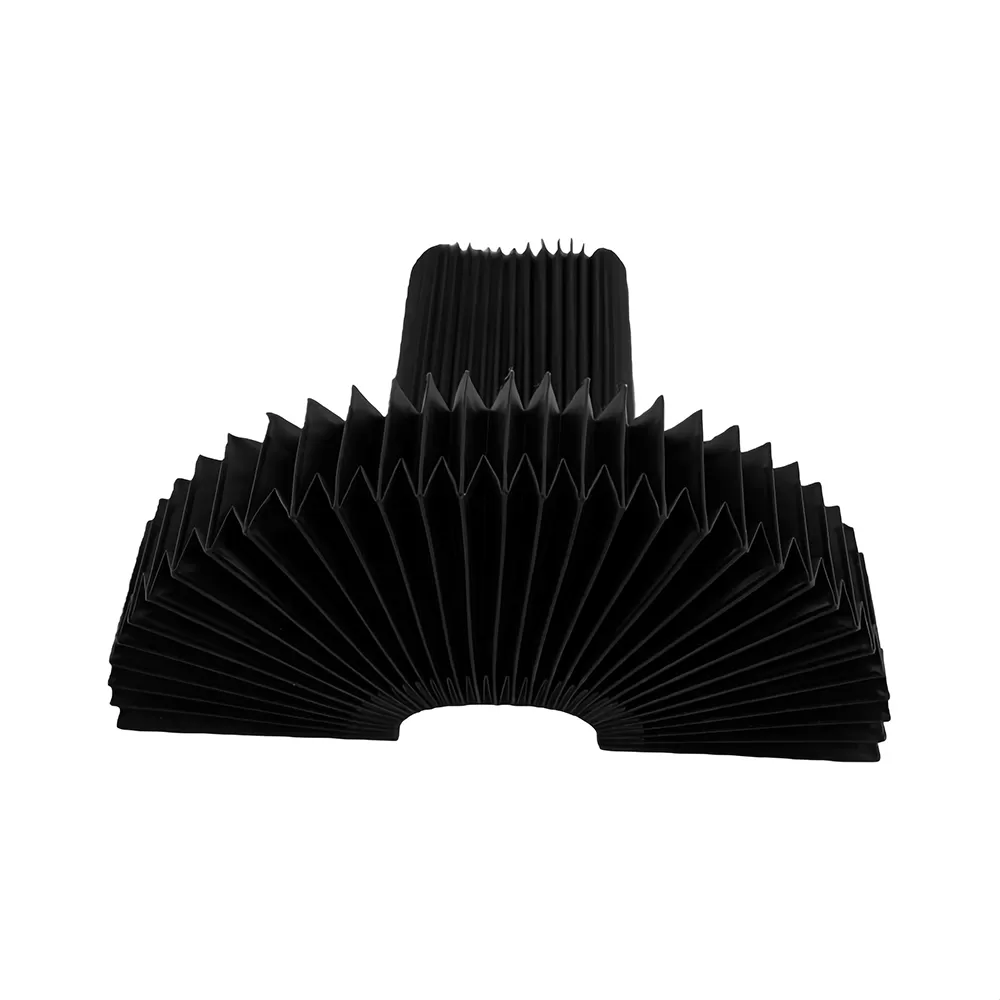
Modern industrial machining centers operate under strenuous conditions where high-velocity axes, aggressive coolant chemistries, and continuous chip generation present persistent physical threats to machine guideways. Linear motion guides, ball screws, and sensitive feedback encoders require robust barrier protection to maintain positional accuracy over long lifecycles. Among the various barrier options available, the steel plate protective cover represents a primary engineering solution for heavy-duty machine tools, shielding vital internal mechanisms from thermal and mechanical degradation.
For procurement managers and mechanical design engineers, selecting the appropriate telescopic cover is not simply a matter of choosing a physical barrier. It involves understanding the complex dynamic interactions between speed, acceleration, wiping efficiency, and material structural integrity. In high-speed milling and turning, a failure in guideway protection leads to immediate machine misalignment, accelerated component wear, and unplanned production halts. This article provides a detailed examination of the engineering principles, material selections, and maintenance strategies that define reliable telescopic way cover systems.
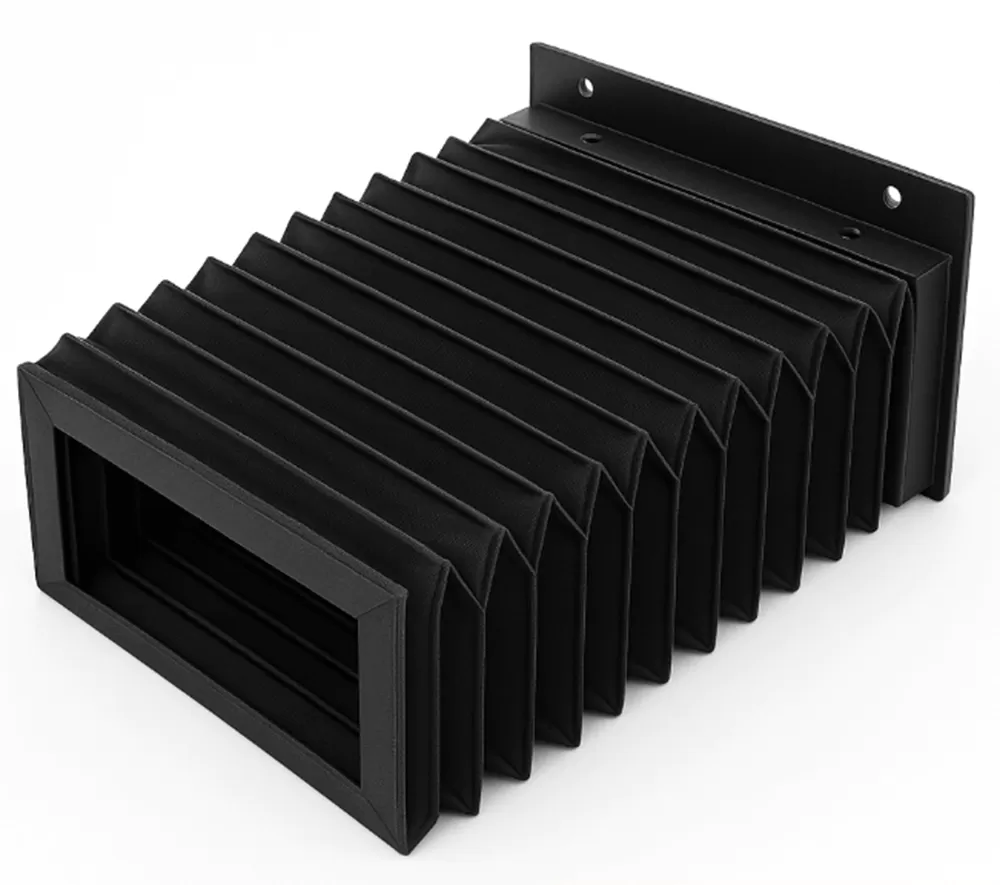
Industrial Challenges in Guideway Protection
The operational environment inside a CNC milling machine or large-scale boring mill is highly destructive to unprotected sliding surfaces. As cutting tools engage workpieces at high revolutions, they produce hot metal swarf with substantial kinetic energy. These chips, which can reach temperatures exceeding several hundred degrees Celsius, can easily melt synthetic fabric bellows or lodge themselves into linear bearings if left unshielded. The introduction of a robust steel plate protective cover prevents these thermal projectiles from directly contacting the guide surfaces.
Parallel to the physical impact of metal chips is the continuous delivery of high-pressure liquid coolant. Modern machining practices utilize synthetic and semi-synthetic coolants, often delivered at pressures exceeding 70 bar, to lubricate the cutting zone and evacuate chips. These fluids carry fine particulate matter and abrasive metallic dust, creating a slurry that can penetrate poorly sealed enclosures. If this abrasive mixture bypasses the protective barriers, it acts as a grinding paste between the block and the rail, destroying the hardened surface profile of the linear guide rails and introducing positioning errors.
High-speed linear motor drives introduce another level of mechanical stress. Linear axes now regularly achieve velocities exceeding 60 meters per minute and accelerations surpassing 1G. At these speeds, any protective cover must expand and compress rapidly without generating high resistance forces or excessive vibration. Poorly balanced or improperly supported telescopic plates will experience severe impact forces when bottoming out during rapid deceleration, leading to structural fatigue, noise, and premature structural failure.
Anatomy and Mechanical Design of a Telescopic Cover
A high-quality steel plate protective cover is a complex assembly of interlocking sheet metal boxes, support systems, and sealing interfaces. Each component must be engineered to withstand specific directional forces and environmental agents over millions of operating cycles. The structural performance of the cover depends directly on how these components cooperate during linear motion.
Material Selection and Structural Thickness
The choice of sheet metal forms the basis of the cover’s durability. Standard cold-rolled carbon steel plates (such as DC01 or similar grades) are commonly utilized due to their excellent flatness, consistent thickness, and ease of forming. However, in environments with highly corrosive coolants or constant moisture, stainless steel alloys (such as SUS304 or SUS430) are selected to prevent rust formation. The thickness of the plates typically ranges from 1.5 mm to 3.0 mm, depending on the physical span of the cover and the potential impact energy of dropped workpieces or heavy tools.
Wiper Systems and Sealing Lips
The wiping system is the primary line of defense against fluid and particulate ingress. Mounted at the leading edge of each overlapping plate, the wiper consists of a rigid metal carrier casing and a flexible elastomeric lip. The lip material must be chosen based on its chemical compatibility with the specific cutting fluids used in the facility:
Polyurethane (PU): Offers excellent resistance to mechanical abrasion and mineral-oil-based coolants, making it the standard choice for most milling applications.
Nitrile Rubber (NBR): Demonstrates high resistance to synthetic oils and hydraulic fluids, though with slightly lower abrasion resistance than polyurethane.
Fluorocarbon Elastomers (Viton): Utilized in high-temperature environments or applications involving highly aggressive chemical solvents, despite its higher material cost.
The wiper lip must maintain a constant, pre-tensioned contact pressure against the underlying steel plate to scrape away chips and fluid during compression. Too little pressure allows fluid bypass; too much pressure increases sliding friction and accelerates wiper wear.
Guide mechanisms and Support Elements
To ensure smooth, parallel movement of the telescopic sections, each individual plate must be supported and guided along the machine bed. This is accomplished using either sliding guides or roller assemblies. Brass or specialized low-friction polymer guide shoes are fitted to the underside of the plates, riding along the machine’s guideways or auxiliary support rails. For high-speed applications, precision rollers with integrated bearings are preferred, as they significantly reduce friction and prevent stick-slip phenomena during low-speed positioning.
Damping and Acceleration Systems
To cope with high accelerations and decelerations without causing mechanical shock, advanced telescopic covers incorporate pantograph mechanisms or integrated damping cushions. A pantograph system acts as a mechanical linkage that distributes the movement evenly across all telescopic plates, ensuring they extend and compress simultaneously rather than sequentially. This eliminates the impact noise and structural shock that occur when one plate abruptly pulls the next, extending the service life of both the cover and the machine’s drive motors.
Manufacturing Customization and Precision Standards
Standardized, off-the-shelf protective covers rarely suffice for high-precision CNC machinery. Each machine tool has unique physical constraints, travel lengths, and environmental exposures that necessitate customized engineering. At QUNHUI, the custom design process begins with a precise evaluation of the machine’s spatial parameters, including the compressed length (Lmin), extended length (Lmax), stroke length, and the overall cross-sectional profile of the machine bed.
The fabrication of a custom steel plate protective cover relies on precision sheet metal processing. Laser cutting machines with high dimensional tolerances ensure that every plate contour is cut precisely to specification. Following the cutting phase, CNC press brakes form the precise bends required for interlocking lips and structural reinforcement flanges. Even minor deviations in bending angles can cause the telescopic plates to bind or create gaps that compromise fluid sealing.
Custom configurations are also engineered to match the orientation of the machine’s axes. Horizontal covers are designed with flat or slightly inclined roof shapes to facilitate the natural runoff of coolant and chips. Vertical covers, such as those protecting the column on a horizontal machining center, must be balanced to counteract gravitational forces, often requiring specialized counterweights or spring-assisted tensioning systems to prevent sagging and uneven plate wear.
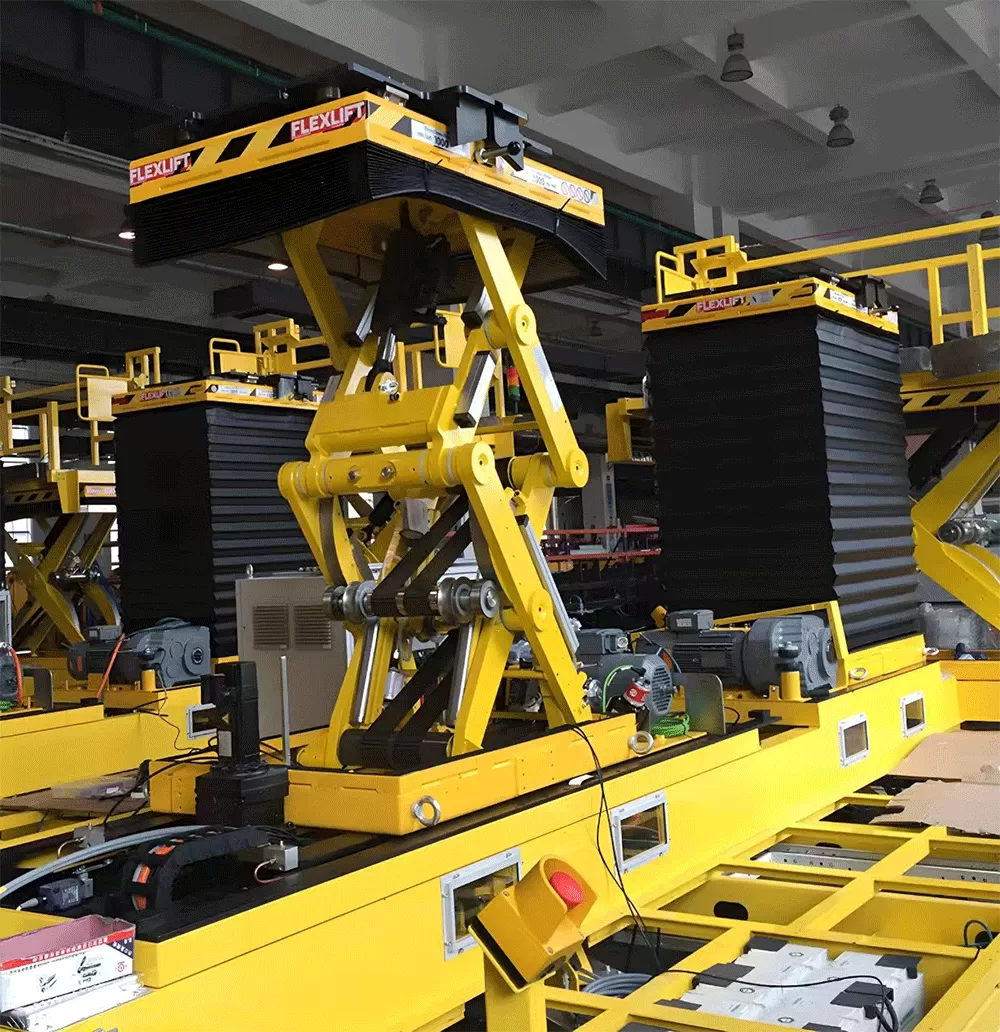
Key Metrics for Specifying a Protective Solution
When collaborating with a manufacturer like QUNHUI to specify a steel plate protective cover, mechanical engineers must balance several interrelated design variables to ensure optimal performance. The table below outlines the primary parameters that must be calculated and verified during the design phase:
| Design Parameter | Primary Engineering Considerations | Impact on Performance |
|---|---|---|
| Compressed Length (Lmin) | Calculated based on plate thickness, wiper carrier profile, and minimum clearance gaps between folded plates. | Determines the maximum available stroke of the machine tool within a given physical envelope. |
| Extended Length (Lmax) | The total reach of the cover when fully deployed, including necessary overlap safety margins (typically 50-80 mm per plate). | Ensures complete coverage of the guideway at the furthest axis limits, preventing accidental exposure. |
| Operating Velocity (v) | Specifies whether sliding guides (lower speeds) or roller/pantograph systems (higher speeds) are required. | Controls the dynamic forces exerted on the guide shoes, wipers, and mechanical dampeners. |
| Cross-Sectional Profile | Inclined roof, flat, or asymmetric profiles designed to match the specific geometry of the machine tool casting. | Determines chip evacuation efficiency and prevents the stagnation of corrosive coolants on flat surfaces. |
Common Failure Modes and Preventive Maintenance
Despite their rugged construction, telescopic steel covers operate in highly abrasive environments and are subject to continuous wear. Developing a structured preventive maintenance protocol is a vital step in avoiding unexpected machinery downtime and protecting expensive linear motion components.
Wiper Degradation
The flexible elastomer lips of the wipers are the most vulnerable components of the assembly. Over time, the continuous scraping action against metallic chips causes micro-tears and wear on the sealing edge. Furthermore, prolonged exposure to chemical additives in coolants can cause the elastomer to swell, harden, or crack, losing its pre-tensioned sealing force. Regular inspection should check for fluid bypass behind the plates and visible wear on the wiper profiles. Wipers should be treated as wear parts and replaced periodically, typically every 12 to 24 months depending on machine duty cycles.
Physical Deformation and Impact Damage
In heavy industrial environments, telescopic covers are susceptible to physical impacts from dropped heavy workpieces, raw castings, or broken cutting tools. A dent or warp in a single steel plate can disrupt the entire alignment of the cover, causing the plates to bind during compression or scrape heavily against one another. This mechanical binding increases the load on the machine's axis motors, potentially leading to tracking errors or thermal overloads. Operators must visually inspect the covers daily for deep scratches, dents, or signs of metal-on-metal scraping.
Particulate Accumulation and Jamming
If the wiper systems are not operating at peak efficiency, fine metal dust and abrasive slurry can migrate past the seals, accumulating inside the individual telescopic boxes. This accumulation creates a paste that jams the sliding shoes or rollers, forcing the plates out of alignment. During routine maintenance intervals, the cover assemblies should be fully extended, cleaned of all chip deposits, and the sliding rails lubricated with the manufacturer-recommended oil or grease to maintain low sliding friction.
Industrial Applications and Sector Requirements
The operational demands placed on a steel plate protective cover vary widely across different industrial manufacturing sectors. Understanding these industry-specific requirements is critical for selecting the correct material coatings and structural configurations.
Automotive Powertrain Machining
In high-volume automotive manufacturing, CNC transfer lines and machining centers operate virtually non-stop, milling engine blocks and transmission housings. Here, the emphasis is on high-speed cycling and rapid axis acceleration. The protective covers must utilize lightweight yet stiff high-tensile steel plates, combined with advanced scissor-type pantographs and durable polyurethane wipers to withstand continuous high-speed movement without failure.
Aerospace Structural Milling
Aerospace manufacturing involves machining large-scale structural components from solid aluminum billets or titanium alloys. These processes generate enormous volumes of lightweight, high-volume chips that can quickly pile up on horizontal surfaces. For these applications, telescopic covers are designed with steep, roof-shaped angles (often 15 to 30 degrees) to encourage immediate gravity-assisted chip evacuation into the machine's conveyor systems.
Heavy Energy and Power Generation Equipment
The production of large wind turbine hubs, rotor shafts, and steam turbine casings requires massive boring mills and gantry-type machines. The steel plate protective cover systems for these massive machines are structurally heavy and must support the physical weight of operators who may need to stand on them during part setup. These covers require reinforced internal structural profiles, heavy-gauge steel (3 mm or thicker), and non-slip surface treatments to ensure both machine safety and operator utility.
Strategic Sourcing and Custom Solutions
Selecting a manufacturing partner for protective systems requires evaluating both engineering capabilities and material quality. QUNHUI provides customized telescopic steel covers engineered to meet the precise requirements of your specific machinery. By analyzing the operating speeds, coolant profiles, and geometric constraints of your equipment, our engineering team designs and manufactures protective systems that minimize friction, maximize sealing efficiency, and extend the operating life of your machine tools.
Whether you are an OEM machine builder seeking integration of robust protective covers into a new machine design, or a maintenance manager looking to replace worn-out telescopic covers with durable, precision-engineered retrofits, QUNHUI offers the technical expertise and manufacturing precision required to keep your production lines running smoothly.
To receive a technical consultation, structural design review, or a detailed quotation tailored to your specific dimensional drawings and machine parameters, please contact our engineering support team. Our technical representatives are prepared to analyze your mechanical specifications and provide a reliable, high-performance protective solution for your facility.
Frequently Asked Questions
Q1: What are the main advantages of a steel plate protective cover compared to a fabric or rubber bellows?
A1: A steel plate protective cover offers superior mechanical protection against high-temperature metal chips, heavy coolant spray, and sharp debris that can easily puncture or melt synthetic fabric bellows. Additionally, they provide high structural rigidity, allowing them to withstand physical impacts from dropped tools or workpieces, and can be designed to support the weight of maintenance technicians when necessary.
Q2: How do you determine when the wipers on a telescopic cover need to be replaced?
A2: Wipers should be inspected if you observe coolant or fine metal shavings bypassing the plates and accumulating on the linear guideways. Physical signs of wear include cracking, tearing, hardening, or visible gaps between the wiper lip and the steel plate surface. In standard production environments, replacing the wipers every 12 to 24 months is recommended to maintain optimal sealing performance.
Q3: Can a steel plate protective cover be used on high-speed linear motor axes?
A3: Yes, but they must be specifically engineered for high-speed operation. This involves utilizing lightweight, high-tensile steel alloys to reduce moving mass, integrating pantograph or scissor mechanisms to distribute acceleration forces evenly, and employing low-friction roller guides instead of traditional brass sliding shoes to minimize heat generation and drag.
Q4: What information is required to manufacture a custom replacement cover for an existing machine?
A4: To produce an accurate replacement cover, we require the maximum extended length (Lmax), the minimum compressed length (Lmin), the total travel or stroke length, the width and height of the cross-sectional profile, and details regarding the mounting flanges. Providing original assembly drawings or detailed physical measurements of the existing cover is highly recommended to ensure proper fitment.
Q5: How does the shape of the cover profile affect chip and coolant management?
A5: The cross-sectional profile directly impacts how waste material is cleared from the machine bed. Flat profiles are suitable for applications with minimal debris, but can accumulate chips and liquid over time. Roof-shaped profiles (inclined designs) utilize gravity to shed coolant and hot metal swarf outward toward the chip conveyors, preventing accumulation that could lead to wiper damage or fluid ingress.