
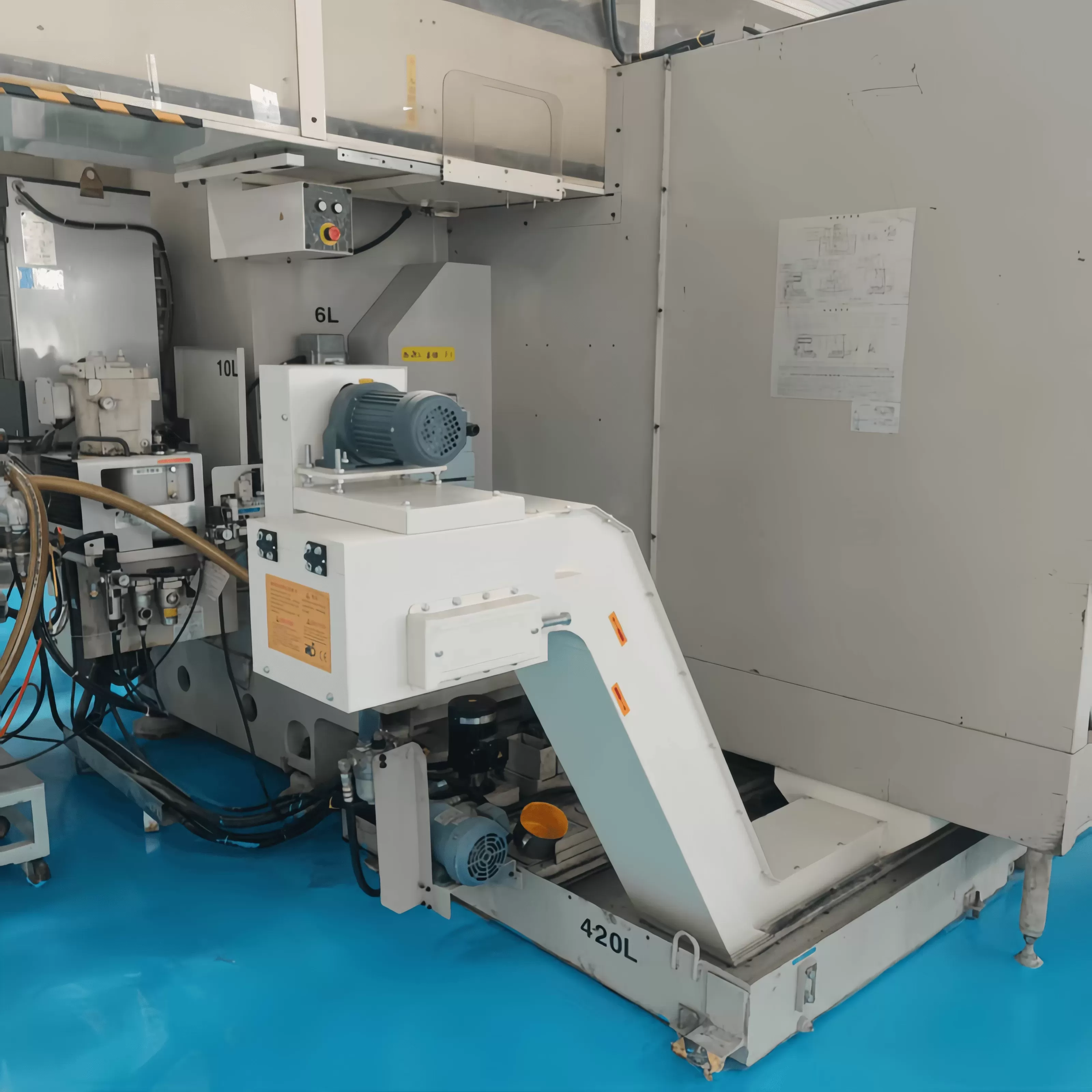
In automated subtractive manufacturing, metal removal rates have reached unprecedented levels. Modern computer numerical control (CNC) machining centers operate at high spindle speeds and rapid feed rates, generating massive quantities of waste material in the form of chips, turnings, and fines. Managing this waste is a vital factor in maintaining continuous production. Left inside the machine envelope, sharp metallic debris can cause severe issues, including surface finish degradation, tool breakage, and localized thermal expansion that compromises dimensional accuracy.
To maintain consistent throughput, automated material handling systems are integrated directly into the machine tool structure. Among these systems, swarf conveyors serve as the primary mechanism for continuously evacuating scrap from the work zone to external collection bins. Selecting the appropriate conveyor configuration requires a thorough understanding of material properties, coolant flow rates, and the specific geometry of the generated waste. QUNHUI designs and manufactures robust chip handling solutions that address these operational challenges, ensuring that machining centers operate without unscheduled interruptions caused by chip accumulation.
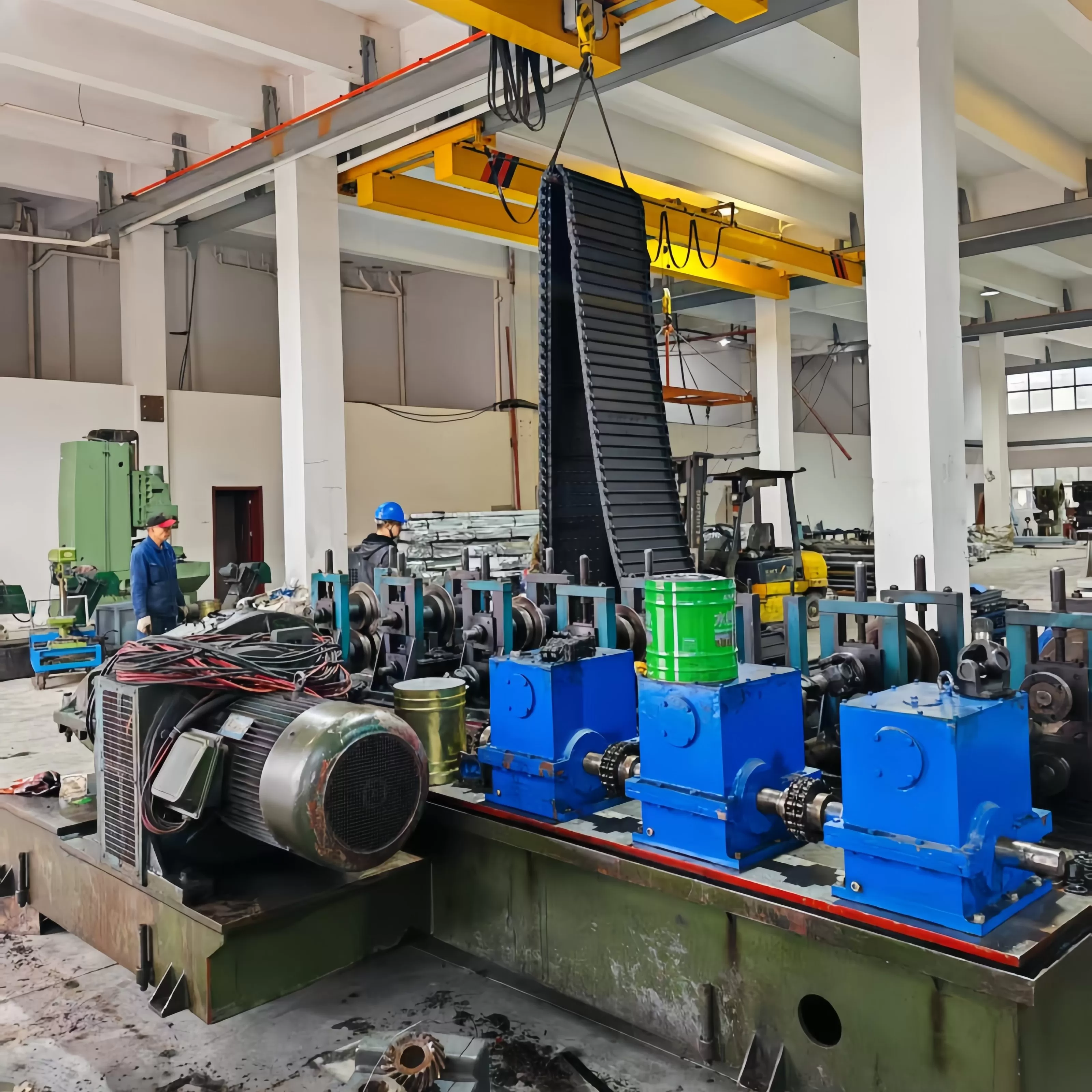
Selecting and Specifying Different Types of Swarf Conveyors
Different machining operations produce distinct chip topologies, ranging from long, continuous strings to fine, powdery particulates. No single conveying mechanism is suitable for all types of scrap. Understanding the mechanical differences among available designs is necessary for choosing the correct equipment.
Hinged Steel Belt Conveyors
Hinged steel belt systems represent the most common configuration used in general metalworking. These systems feature a continuous belt made of steel aprons linked together by heavy-duty pins. As the belt moves, cleats mounted on the aprons push the material up an incline toward the discharge point.
These swarf conveyors are highly versatile, capable of handling both dry and wet chips of varying sizes. They are particularly effective for long, curly chips generated during turning and drilling of carbon steels and aluminum alloys. The physical design prevents long chips from wrapping around the internal drive components, making them suitable for heavy-duty applications. However, extremely fine particles can sometimes slip through the gaps between the hinges, requiring secondary filtration if high-purity coolant is needed.
Drag Link and Scraper Conveyors
Scraper systems use a different mechanical approach. Instead of a moving belt carrying the material on top, a scraper conveyor utilizes a pair of drive chains with crossbars, or scrapers, attached at regular intervals. These crossbars drag along the bottom of a steel trough, pushing the material forward.
This design is highly effective for short, broken chips, cast iron dust, brass turnings, and fine aluminum particles that would otherwise clog or slip through a hinged belt. Since the scrap is pushed along a solid steel plate, there are no hinges where fine debris can accumulate and cause binding. These swarf conveyors often feature a dual-compartment design where the upper run carries larger chips and the lower run scrapes fine sediment out of the coolant tank.
Magnetic Conveyors
For applications focusing strictly on ferrous metals, magnetic scrap handling provides a low-maintenance alternative. These systems do not have external moving parts in contact with the material. Instead, permanent magnets are attached to a chain drive running inside a completely sealed housing.
As ferrous chips fall onto the stainless steel slide plate, the internal magnets attract them and drag them along the outer surface to the discharge area. Because there are no moving belts or exposed links, mechanical wear from abrasive chips is minimized. This design is highly reliable for handling steel turnings, cast iron chips, and drilling fines. It is not suitable for non-ferrous materials like aluminum, brass, or stainless steel.
Screw and Auger Systems
Auger systems utilize a rotating helical screw thread to move metal debris. These units are compact and can be positioned directly under the cutting zone of small lathes or multi-axis machining centers where space is limited.
While efficient for moving small to medium chips over short distances, screw conveyors are less suited for long, stringy materials that can wrap around the central shaft and stall the drive motor. They are frequently used as feeder systems, conveying chips from individual machine enclosures into a central collector or a primary conveyor line.
Overcoming Common Operational Hurdles in Metal Evacuation
In high-volume production facilities, neglecting the relationship between material characteristics and conveyor design leads to predictable mechanical failures. A primary challenge is coolant carry-over. When chips are evacuated from the machining enclosure, they carry a film of cutting fluid. If the incline section of the conveyor does not allow sufficient drain time, significant volumes of coolant are lost to the scrap bin. This depletes the coolant reservoir and increases chemical replenishment costs.
Another issue is the accumulation of fine particulates in the coolant tank. When fine chips bypass the conveyor filtration mechanism, they settle at the bottom of the reservoir. Over time, this sludge reduces the effective volume of the tank and can be recirculated by the coolant pumps. These abrasive particles wear out tool coatings, damage internal pump seals, and clog coolant nozzles, which in turn leads to poor machining quality.
Mechanical jamming represents a significant source of machine downtime. Large chunks of scrap, bar ends, or tramp metal accidentally dropped into the machine enclosure can wedge between the conveyor belt and the frame. Without proper safety mechanisms, such jams can bend the steel aprons, break drive chains, or burn out the electric motor. QUNHUI addresses these hazards by incorporating mechanical slip clutches and electrical overload sensors that instantly halt the drive system upon detecting an obstruction, protecting the structural integrity of our swarf conveyors.
Custom Swarf Conveyors for High-Performance Machining
Industrial automation demands tailormade scrap management systems that match specific production parameters. Standard off-the-shelf equipment rarely satisfies the unique demands of specialized production lines. QUNHUI focuses on custom engineering to ensure that every system integrates seamlessly with the host CNC machine.
Material selection is a major factor in conveyor longevity. For abrasive environments, such as those processing cast iron or hardened steel, standard carbon steel tracks wear out rapidly. QUNHUI utilizes high-strength, wear-resistant steel alloys and hardened manganese steel liners in heavy-impact areas, such as the transition curves and discharge chutes.
To handle modern high-pressure coolant demands, conveying systems can be configured with integrated filtration units. Incorporating rotary drum filters or high-capacity settling tanks directly into the conveyor frame allows for simultaneous chip removal and coolant cleaning. This dual-function design saves floor space and protects downstream components from contamination, ensuring a clean supply of cutting fluid back to the spindle.
Application Profiles Across Industrial Sectors
The choice of chip evacuation systems varies greatly depending on the sector's specific manufacturing requirements.
Automotive Manufacturing: High-volume production of cast iron engine blocks and aluminum transmission cases requires continuous operation. Scraper and magnetic systems are frequently combined to manage the massive output of both ferrous and non-ferrous particulates without stopping the line.
Aerospace Machining: Large aerospace structural parts are typically milled from solid blocks of titanium or aluminum, converting up to 90% of the raw material into chips. This requires high-capacity conveying systems with wide belts and integrated washdown systems to move massive volumes of lightweight, high-volume scrap.
Medical and Precision Instruments: Machining miniature stainless steel and titanium implants generates tiny, precision-cut chips. Screw and compact magnetic systems are preferred here to fit within small footprints while maintaining clean working areas.
Preventive Maintenance Protocols for Conveying Systems
Ensuring the long-term reliability of metal handling systems requires systematic maintenance. Regular inspection of chain tension is necessary, as loose chains can jump off the drive sprockets, while over-tightened chains accelerate wear on bearings and shafts.
Lubrication of the main drive chains and bearings must be performed at specified intervals, using lubricants that are compatible with the cutting fluids used in the machine tool. Regular visual inspections should also be conducted to check for wear on the guide tracks and slide plates. Replacing worn wear strips before the main frame is damaged prevents costly structural rebuilds and extends the working life of the entire system.
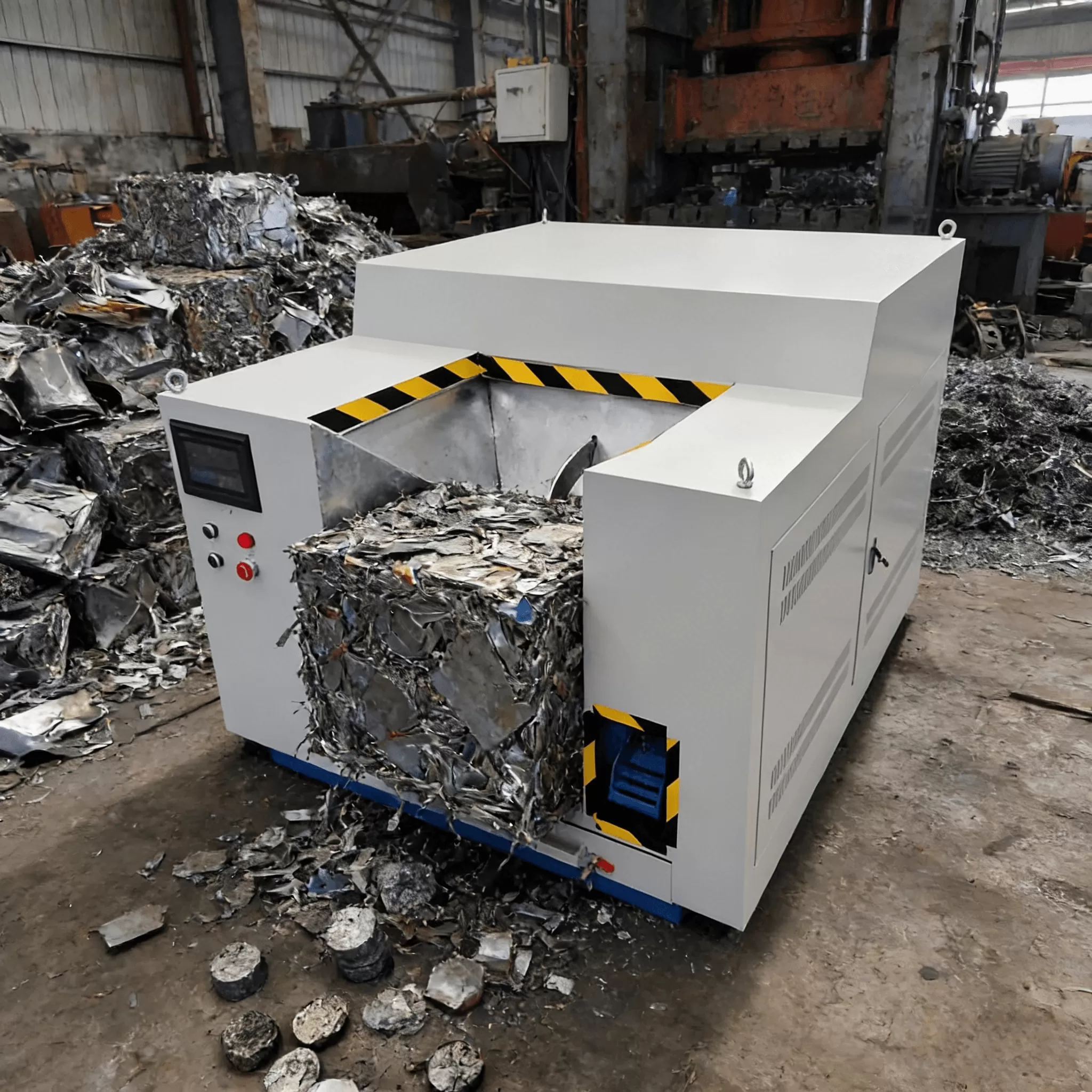
Partnering with QUNHUI for Automated Scrap Management
Selecting the correct chip removal system is an investment in production stability and tool longevity. QUNHUI brings decades of manufacturing experience to the design and production of reliable swarf conveyors tailored to the exact requirements of international CNC machine tools and automation lines.
By analyzing your material types, coolant configurations, and space limitations, our engineering team can provide a tailored solution that minimizes manual intervention and maximizes machine uptime. We encourage factory managers, machine tool builders, and procurement specialists to contact our sales department to submit an inquiry, discuss upcoming project specifications, and obtain detailed engineering proposals.
Frequently Asked Questions
Q1: How do I choose between a hinged belt and a scraper conveyor for my machining center?
A1: The choice depends primarily on the material and shape of the chips generated. Hinged belt systems are suitable for long, curly, or bushy chips made of steel or aluminum, as the physical belt carries these bulky materials easily. Scraper conveyors are preferred for short, broken chips, fines, and abrasive materials like cast iron or brass, as they drag the sediment along the floor of the conveyor, preventing small particles from clogging mechanical joints.
Q2: Can swarf conveyors handle both ferrous and non-ferrous metals simultaneously?
A2: Yes, hinged belt and scraper conveyor models can handle both ferrous and non-ferrous materials. However, magnetic conveyors are restricted strictly to ferrous metals like steel and cast iron, as they rely on magnetic fields to attract and move the chips. If your facility processes a mix of aluminum and steel on the same machine, a mechanical hinged belt or scraper system is the correct selection.
Q3: What design features prevent coolant from being carried away with the discharged chips?
A3: To minimize coolant carry-over, modern conveyor designs incorporate an inclined discharge section, often referred to as the elevator. As chips are moved up this incline, gravity pulls the coolant back down into the reservoir. Additionally, perforated drain plates, integrated air knives, or mechanical vibrators can be installed along the incline to encourage complete fluid separation before the chips reach the discharge chute.
Q4: How does QUNHUI protect conveyor motors from damage caused by mechanical jams?
A4: Every conveyor manufactured by QUNHUI is equipped with dual-layer protection. We install adjustable mechanical slip clutches that slip when the resistance on the belt exceeds a safe threshold, instantly stopping movement without damaging the drive chain. This is paired with an electrical overload sensor in the control panel that cuts power to the motor and sends an alarm signal to the CNC controller, preventing motor burnouts and alerting operators to the jam.
Q5: How often should the wear strips and tracks inside the conveyor be inspected?
A5: Under normal single-shift operations, we recommend inspecting the internal wear tracks and slide plates every six months. In high-volume, multi-shift environments processing highly abrasive materials like cast iron or glass-filled plastics, these inspections should be conducted quarterly. Replacing worn polymer or hardened steel wear strips early prevents wear on the conveyor's structural frame, significantly lowering long-term maintenance costs.