
-(4).webp)
In machining environments, the volume of metallic waste generated during turning, milling, and drilling operations can quickly become a bottleneck. Without a structured approach to scrap removal, production floors face mounting hazards, machine downtime, and elevated maintenance expenditures. A dependable metal chip conveyor directly addresses these operational pressures by automating the extraction and transport of swarf, turnings, and fine particulates. For production managers and facility engineers, selecting the appropriate chip handling apparatus is not a minor accessory decision—it is a foundational element that influences throughput, workplace safety, and overall equipment effectiveness.
Across sectors such as automotive parts fabrication, aerospace component manufacturing, and heavy equipment production, the role of a robust metal chip handling system extends beyond simple waste removal. These conveyor units serve as the connective tissue between high-speed CNC machinery and centralized collection or recycling stations. By integrating a purpose-built system, manufacturers can maintain continuous production cycles, protect sensitive machine ways from abrasive swarf, and create a cleaner environment that supports higher quality control standards. With decades of applied engineering knowledge, QUNHUI has refined its approach to delivering chip conveyor configurations that align with the rigorous demands of contemporary workshops.
.webp?t=1784772544236 "刮板式排屑机 (2)")
What Defines a Metal Chip Conveyor System?
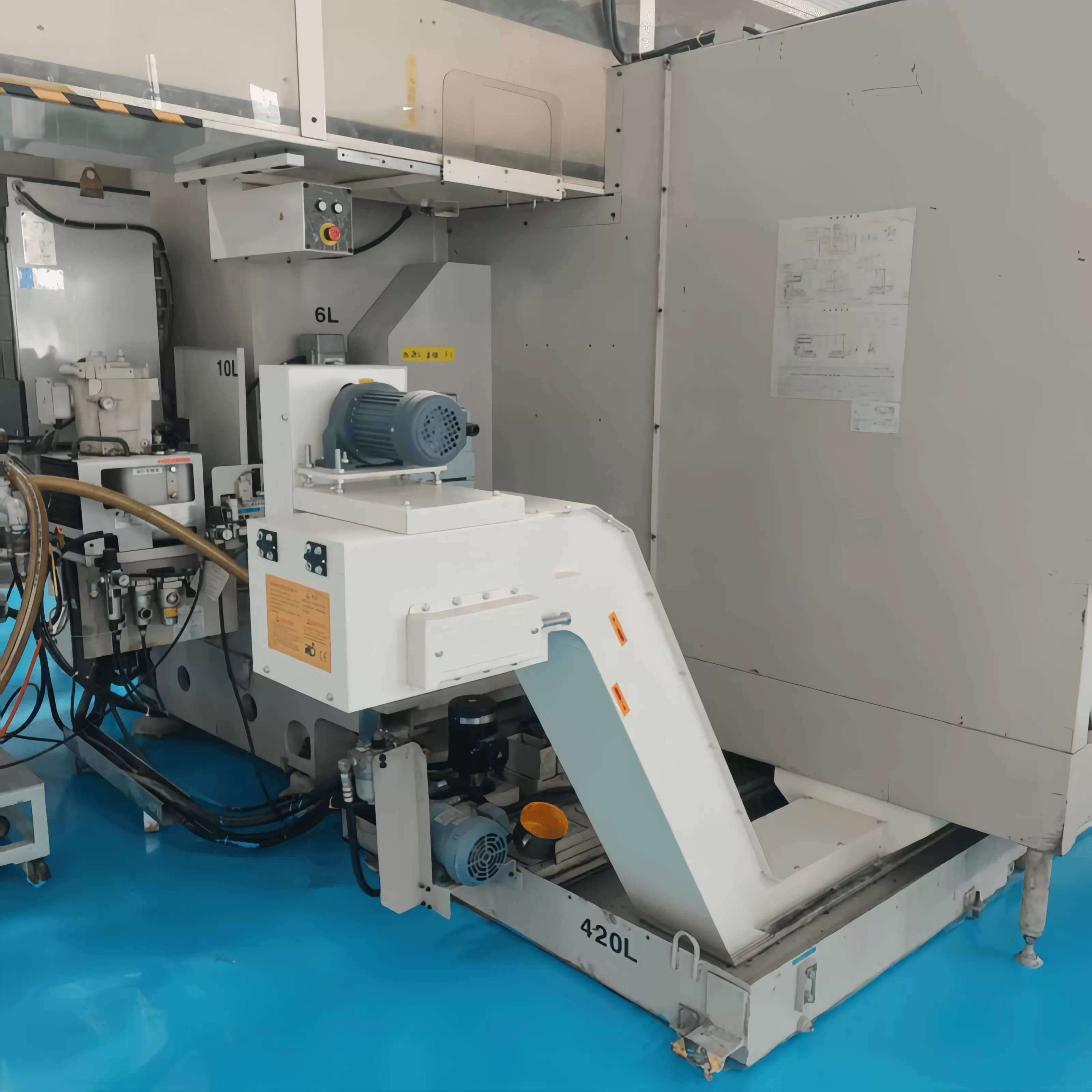
A metal chip conveyor refers to a mechanized assembly intended to collect, elevate, and discharge waste metallic materials generated by cutting tools. Unlike general-purpose conveyors, these units are engineered to withstand sharp, abrasive, and often oily scrap. Their construction incorporates heavy-duty materials, wear-resistant surfaces, and designs that prevent jamming—even when processing stringy or nested chips. The primary objective remains consistent: to remove byproducts as quickly as they are produced, preventing accumulation around workstations and within machine enclosures.
These systems are frequently paired with chip processing equipment such as wringers, crushers, and filtration units. This integration allows for the recovery of valuable cutting fluids and the reduction of scrap volume, which lowers disposal costs. When evaluating a metal chip conveyor belt or drag chain variant, facility managers must assess chip morphology, expected flow rates, and the physical footprint of their existing machinery layout.
Industrial Scrap Dynamics in Modern Machining Centers
Machining generates diverse scrap profiles depending on workpiece metallurgy, tool geometry, spindle speed, and coolant application. Uncontrolled byproduct buildup inside the machining enclosure creates immediate mechanical problems. Sharp, tangled turnings can wrap around rotating tooling shafts, mar surface finishes, damage internal telescopic way covers, and obstruct coolant return channels.
Thermal dynamic shifts present another substantial risk. Hot metal shavings resting against machine beds transfer localized heat, inducing microscopic thermal expansion that distorts cutting tolerances. Automated evacuation keeps thermal mass away from sensitive machine castings, protecting structural tolerance capabilities across extended production runs.
Scrap characteristics generally fall into four main categories:
Long, Curly Turnings: Ductile materials such as low-carbon steel, stainless steel, and tough alloys produce stringy, continuous ribbons that easily tangle into dense nests.
Short, Broken Chips: Brittle metals including cast iron, brass, and hardened steels yield small, discontinuous chips under proper chip-breaker tooling configurations.
Fine Particulates and Sludge: Cast iron dust, fine aluminum powder, and micro-particles generated during finish grinding blend with cutting oil to form thick abrasive sludge.
Bushy or Mixed Swarf: General job-shop operations produce varied waste blends containing wet aluminum coils, heavy steel chunks, and fine turnings simultaneously.
Primary Categories of Chip Handling Equipment
Manufacturing operations generate a diverse spectrum of chip types—from fine powder to long, spiraling ribbons. To handle this variety effectively, conveyor solutions have diversified into several distinct mechanical families. Each category offers specific advantages depending on the material being processed and the spatial constraints of the workshop.
Belt-Type Chip Conveyors
Belt-driven models utilize a reinforced rubber or steel belt to transport chips out of the machining zone. These units are well-suited for applications involving mixed chip sizes, including both granular and elongated forms. Their straightforward design facilitates quick cleaning and belt replacement, making them a practical choice for job shops with changing production runs. The surface of the metal chip conveyor belt can be textured or cleated to handle steep inclines, ensuring efficient elevation to discharge points.
Drag Chain Conveyors
Drag chain systems rely on a series of interconnected links and flight bars to pull chips along a sealed trough. This design excels at moving dense, bulky scrap, such as cast iron chunks or heavy steel turnings. The enclosed trough minimizes spillage and contains coolant mist, contributing to a tidier work area. Operators often favor drag chain conveyors for their ruggedness and ability to function reliably under heavy load conditions.
Screw-Type Chip Augers
For confined spaces and lower-volume applications, screw conveyors—also known as augers—offer a compact footprint. A rotating helical screw pushes chips through a U-shaped trough, directing them to a central collection hopper. These units are particularly efficient at handling fine, dry chips or sludge-like mixtures. However, care must be taken with long, stringy chips, as they can wrap around the screw shaft if not pre-conditioned.
Magnetic Chip Conveyors
Magnetic conveyors use permanent magnets or electromagnets to attract and move ferrous materials. This contactless approach reduces mechanical wear on the conveying surface and provides a self-cleaning action. For operations processing steel or iron components, a magnetic metal chip conveyor minimizes carryover and ensures that even minute particles are captured and removed from the coolant stream.
Elevating and Steep-Incline Conveyors
When production layouts require vertical movement—such as transferring scrap to an overhead bin or a central recycling system—elevating conveyors come into play. These systems incorporate positive-drive mechanisms and cleated belts to lift chips without backsliding. Elevating units are indispensable in multi-level factory settings where gravity flow alone is insufficient.
Operational Advantages of Installing a Metal Chip Conveyor
Integrating a purpose-designed metal chip conveyor into a production line yields measurable improvements across several operational metrics. These benefits extend beyond housekeeping to directly influence the financial performance of a manufacturing facility.
Workplace safety improvements: Accumulated piles of sharp metal scrap pose a constant tripping hazard and can cause lacerations. Automating removal keeps walkways and machine perimeters clear, substantially lowering the risk of workplace injuries. A cleaner floor also facilitates better adherence to occupational health and safety protocols.
Continuous production flow: Manual chip clearing requires halting machine cycles, which reduces spindle uptime. A properly sized conveyor operates in parallel with machining processes, enabling lights-out manufacturing and extended production runs without operator intervention.
Protection of machine tool assets: Chips that remain in the cutting zone can become trapped between moving components, accelerating wear on guideways, ball screws, and spindle bearings. Prompt removal via a metal chip handling system preserves geometric accuracy and extends service intervals.
Fluid management and recycling: Many conveyors are designed with perforations or drainage sections that allow cutting oil or coolant to flow back into the filtration system. This feature reduces fluid consumption and ensures that recirculated coolant remains clean, which improves surface finish quality.
Reduced environmental footprint: Metal chips are a recyclable resource. By concentrating scrap collection, conveyors enable efficient baling or shredding, making it easier to return materials to the supply chain. This aligns with circular economy initiatives and can generate revenue from scrap sales.
A well-engineered metal chip conveyor belt or drag chain system also lowers labor demands. Personnel previously assigned to shovel or sweep chips can be redeployed to higher-value tasks, such as quality inspection or process optimization. Over the lifespan of the equipment, the cumulative savings in labor and downtime often exceed the initial capital outlay.
Factors to Consider When Selecting a Chip Conveyor
Choosing the appropriate conveyor for a specific application requires a structured evaluation of process parameters and facility constraints. Decision-makers should collaborate with experienced metal chip conveyor manufacturers who can provide application-specific guidance and customization options.
Chip morphology and composition: The physical form of the scrap—whether short and granular, long and spiraled, or fine dust—determines the ideal conveyor type. Steel and cast iron produce different waste characteristics than aluminum or brass, influencing the choice of contact surfaces and drive mechanisms.
Throughput capacity: Conveyor dimensions and motor power must match the maximum anticipated chip generation rate during peak machining activity. Undersized units lead to material pile-ups, while oversized conveyors represent unnecessary capital expenditure.
Available floor space and layout: Plant footprint constraints often dictate the conveyor’s path, including the need for elevation changes or multiple discharge points. Custom-designed units from QUNHUI can be tailored to fit within existing aisle ways and around fixed structures.
Compatibility with downstream equipment: If the conveyor feeds into a crusher, centrifuge, or briquetting press, the discharge rate and material orientation must be coordinated. Integrated systems reduce manual handling and improve material flow.
Maintenance and parts availability: Ease of access to wear components such as belts, chains, and bearings directly affects service turnaround. Selecting a conveyor from a reputable source ensures ongoing support and rapid delivery of spares.
Maintenance Practices for Extended Conveyor Life
Even the most robust metal chip conveyor requires scheduled maintenance to sustain peak performance. Proactive care not only prevents unexpected breakdowns but also enhances the safety of the surrounding personnel. Maintenance teams should develop a routine that includes inspection of chain tension, belt tracking, and bearing lubrication.
Regularly clearing accumulated debris from troughs and return rollers minimizes abrasion on moving components. For units equipped with coolant drainage, checking for blockages in the sump or piping is equally important. By partnering with trusted metal chip conveyor manufacturers, facilities can obtain detailed maintenance schedules and access to certified replacement parts. QUNHUI provides comprehensive technical documentation and training resources to support on-site maintenance crews.
Integration with Smart Factory Systems
Modern conveyor solutions can be equipped with sensors that monitor motor current, vibration levels, and material flow. These data points feed into manufacturing execution systems (MES) or supervisory control systems, enabling predictive maintenance alerts and real-time production dashboards. A connected metal chip handling system provides visibility into scrap generation rates, which can be correlated with tool wear or cycle time variations. This data-driven approach helps engineers fine-tune cutting parameters and reduce waste at the source.
When selecting conveyors for a digitalized production environment, compatibility with standard industrial communication protocols—such as Profibus, Ethernet/IP, or Modbus—is a valuable feature. Automation-minded manufacturers often prioritize conveyors that offer remote diagnostics and firmware update capabilities.
Partnering with a Trusted Conveyor Supplier
Given the critical role that chip removal plays in overall plant performance, choosing the right equipment partner is a strategic decision. Established suppliers bring not only manufacturing expertise but also a deep understanding of application engineering. QUNHUI combines decades of hands-on experience with a commitment to continuous improvement, delivering systems that withstand the punishing conditions of heavy metal removal. From initial design consultation to post-installation support, the objective remains to provide turnkey solutions that solve real-world shop floor challenges.
Frequently Asked Questions About Metal Chip Conveyors
Q1: What are the most common signs that a metal chip conveyor needs
maintenance?
A1: Audible changes in motor pitch,
irregular belt tracking, visible spillage at the sides of the trough, and
increased frequency of jam alarms are typical indicators. A sudden drop in
throughput or coolant carryover in the scrap discharge can also signal wear or
misalignment in the system.
Q2: How do I determine the correct capacity for a metal chip handling
system?
A2: Capacity is calculated based on the
maximum volume of chips produced per hour, multiplied by a safety factor to
account for surges during heavy cutting. Consider chip density, expected
swelling ratio (for materials that expand when cut), and the conveyor’s incline
angle, as steeper slopes generally reduce effective capacity.
Q3: Can a single metal chip conveyor handle different types of scrap
materials?
A3: Yes, many belt and drag chain
designs can manage a mix of ferrous and non-ferrous chips, though the presence
of abrasive materials like cast iron may require hardened wear liners. For
operations that frequently switch between aluminum and steel, a conveyor with a
smooth, replaceable belt surface often provides the best flexibility.
Q4: What is the typical lifespan of a metal chip conveyor
belt?
A4: Lifespan varies significantly with
material abrasiveness and maintenance diligence. In moderate-duty machining, a
quality belt may last three to five years, while heavy-duty cast iron
applications might require replacement every 18 to 24 months. Regular tracking
adjustments and cleaning are key to maximizing service life.
Q5: Are there fire safety considerations when choosing a chip
conveyor?
A5: Absolutely. Magnesium and aluminum
fines pose combustion risks, so conveyors in such environments should feature
spark-resistant materials and adequate grounding to dissipate static charges.
Some systems also include temperature monitoring and automatic shutoff
mechanisms to mitigate fire hazards.
Q6: How does chip conveyor integration affect cutting fluid
quality?
A6: When a conveyor is equipped with
effective de-oiling and drainage sections, it allows cleaner fluid to return to
the sump. This reduces the load on filtration systems and extends coolant life.
Poorly designed conveyors, however, can churn chips and emulsify tramp oils,
degrading fluid performance over time.
Q7: What customization options are available for unusual workshop
layouts?
A7: Reputable suppliers like
QUNHUI offer bespoke configurations, including variable
discharge heights, curved conveyor paths, and tandem drives for long-distance
transport. Customized hopper designs and skirt seals can also be incorporated to
handle specific chip flow characteristics.
For inquiries about implementing a tailored metal chip conveyor system in your facility, or to request a site assessment and capacity analysis, please contact our engineering team. QUNHUI provides complete project support—from concept to commissioning—ensuring your chip management infrastructure aligns with production objectives. Reach out to discuss your specific requirements and receive a detailed proposal.