
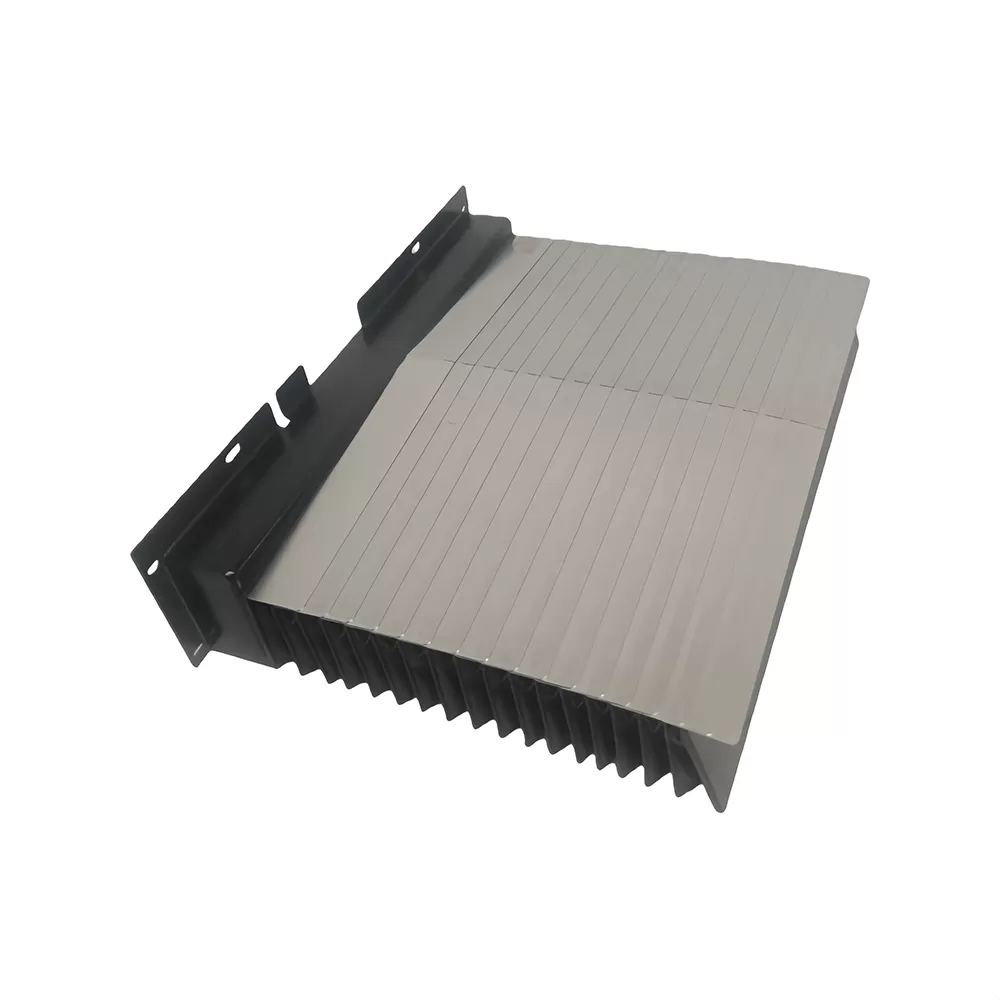
CNC machining centers operate under highly demanding conditions. High spindle speeds, high-pressure coolant delivery, and rapid axis acceleration generate a continuous stream of hot metal chips, abrasive dust, and chemical mist. To protect precision linear guide rails, ball screws, and glass scales, machine tool builders rely on heavy-duty steel telescopic way covers. However, these protective steel enclosures are only as effective as the seals between their telescoping segments. A key component in maintaining this protection is the cnc telescopic cover wiper, which acts as the primary barrier preventing particulate matter and liquid coolant from penetrating the inner workings of the machine.
As a specialist in machinery protection, QUNHUI provides engineered sealing solutions designed to withstand the harsh environment of modern manufacturing facilities. This article examines the mechanical design, material science, and operational strategies for optimizing these protective systems to minimize downtime and preserve machine tool accuracy.
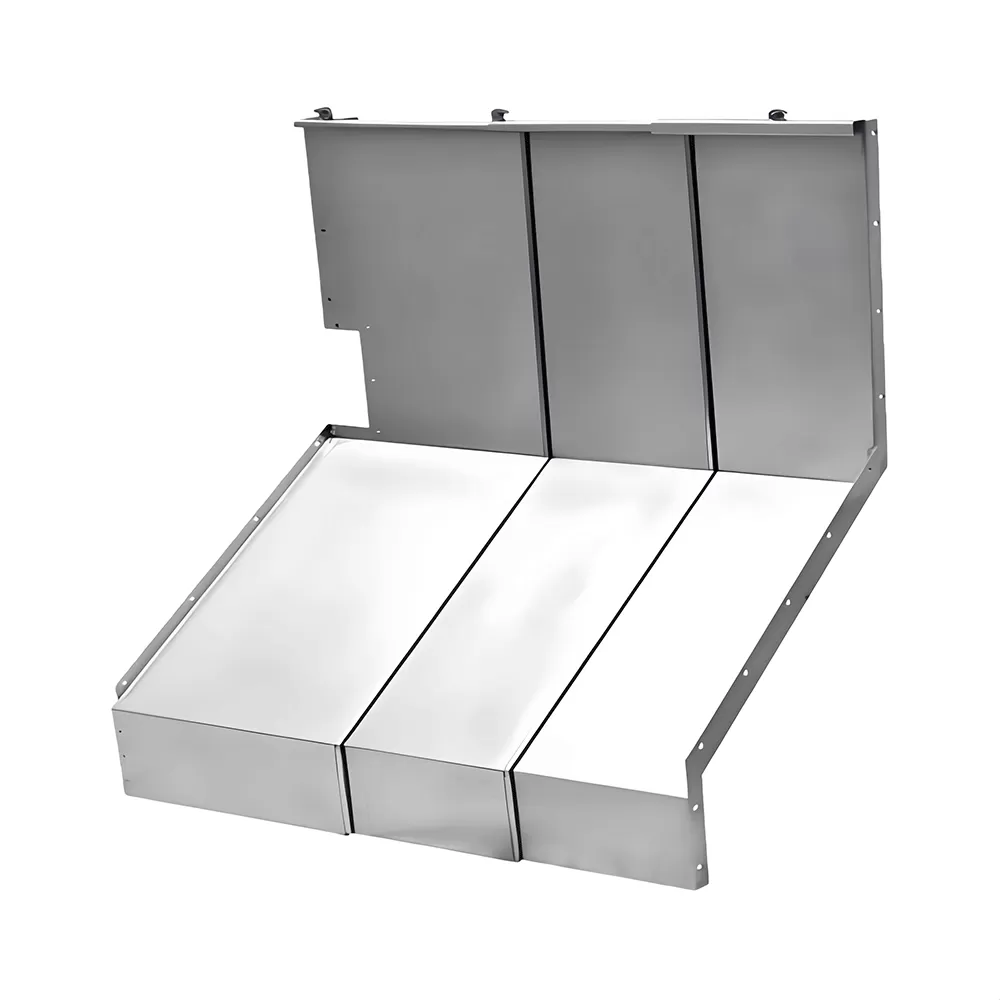
The Mechanical Role of Telescopic Cover Seals
Telescopic way covers consist of nested sheet metal boxes that slide over one another during axis movement. As the machine axis retracts, these boxes compress; when the axis extends, they expand. During this dynamic cycle, the flat steel surfaces collect a mixture of fine metal particulates, graphite dust, abrasive grinding media, and metalworking fluids.
Without an active scraping mechanism, this abrasive slurry would migrate under the steel plates during the compression cycle. Once inside the telescopic cover assembly, contaminants quickly settle on the linear guideways and ball screws. The consequences of such contamination include:
Accelerated abrasive wear on linear guide blocks and rail surfaces.
Degradation of ball screw nut assemblies, leading to backlash and loss of positioning accuracy.
Contamination of linear encoders, causing feedback errors and machine alarms.
Premature breakdown of lubricating greases and oils due to coolant dilution.
To prevent these failures, the wiper must exert uniform contact pressure against the mating steel surface. This pressure must be carefully balanced. Insufficient contact pressure allows liquid coolant and micro-chips to pass beneath the seal. Conversely, excessive contact pressure increases friction, leading to stick-slip phenomena, elevated loads on axis drive motors, and accelerated wear of the elastomer wiper lip itself.
Material Science: Elastomer Selection for Industrial Environments
The operational lifespan and sealing efficiency of a wiper depend heavily on the polymer chemistry of the sealing lip. Modern machining operations utilize a wide range of coolants, including synthetic, semi-synthetic, and water-miscible fluids, each containing chemical additives that can chemically attack certain elastomers.
Polyurethane (PU)
Polyurethane is the most widely specified material for industrial way scrapers due to its outstanding mechanical attributes. It offers high tensile strength, exceptional tear propagation resistance, and superior abrasion resistance against sharp metal chips. However, standard polyurethanes can suffer from hydrolytic degradation when exposed to warm, water-soluble coolants with high pH values. For these applications, specialized hydrolysis-resistant polyurethane grades are required to prevent the material from softening, swelling, or crumbling over time.
Nitrile Butadiene Rubber (NBR)
NBR provides excellent resistance to mineral-oil-based lubricants and greases. It maintains good flexibility across a broad temperature range and is highly cost-efficient. However, NBR has lower abrasion resistance compared to polyurethane, making it less suitable for applications involving high-volume, abrasive chip generation, such as dry cast-iron machining or high-speed milling of abrasive composites.
Fluorocarbon Elastomers (FKM / Viton)
FKM is chosen for high-temperature applications or environments where highly aggressive synthetic cutting fluids are used. It offers exceptional chemical resistance and retains its mechanical properties under thermal stress. Due to its higher cost and lower mechanical tear resistance compared to polyurethane, FKM is typically reserved for specialized processing environments where chemical compatibility is the overriding concern.
Anatomy and Structural Profiles of Way Wipers
When specifying a replacement cnc telescopic cover wiper, mechanical engineers must consider the structural configuration of the wiper assembly. The wiper is typically composed of a mounting support profile and the active elastomer lip.
The structural configurations generally fall into three design categories:
Form A (Cased Wipers): This design features a metal profile (often brass, aluminum, or stainless steel) that mechanically encapsulates the elastomer. This casing provides high rigidity, protecting the flexible lip from direct impact by large, hot chips and ensuring even distribution of pressure across the entire width of the telescopic plate.
Form B (Flexible / Profile Wipers): These lack a heavy metal casing and are designed for space-restricted installations. They are often bonded directly to the steel cover or held in place by simplified clamping strips. They offer excellent flexibility for curved or complex geometries.
Pre-tensioned Wipers: Engineered with a built-in mechanical bias, these wipers maintain constant pressure on the sliding surface even as the elastomer wears down. This design compensates for minor alignment errors or deflection in the telescopic steel plates.
Precursor Scrapers and Dual-Stage Protection
In heavy-duty machining applications, such as large-scale steel turning or high-capacity milling, a single elastomer lip is often insufficient. Hot, sharp metal chips can embed themselves into the polyurethane, creating micro-gaps that allow coolant to pass through.
To solve this, a dual-stage protection system is implemented. This setup consists of a brass or stainless steel precursor scraper mounted in front of the elastomer wiper. The metal scraper is set with a minor clearance or very light contact force to physically deflect large chips, hot swarf, and heavy debris. The secondary elastomer lip then follows behind to wipe away the remaining liquid film and micro-fine dust, ensuring a clean dry surface.
Operational Challenges: Dry Machining vs. Wet Machining
The operational demands placed on a wiper vary significantly based on the machining process:
Dry Machining Environments
In dry machining, particularly of cast iron or graphite, the lack of fluid lubrication increases the friction coefficient between the elastomer and the steel cover plate. This results in rapid heat generation at the contact lip, which can cause thermal cracking and accelerated wear. Wipers used in these applications require self-lubricating polymer compounds or specialized coatings to reduce friction and prevent stick-slip motion.
Wet Machining Environments
In high-pressure coolant applications, the primary challenge is fluid ingress. Coolant sprayed at high velocity can find its way through worn joints or compromised seals. Furthermore, if a machine remains idle for extended periods, coolant trapped between the wiper lip and the steel cover can lead to localized crevice corrosion on the steel plate, creating a rough surface that accelerates wiper wear during subsequent operation.
Maintenance, Wear Identification, and Replacement
Preventive maintenance is crucial to avoiding catastrophic component failures. Regular replacement of the cnc telescopic cover wiper prevents fine particulate accumulation under the steel plates, safeguarding the high-value guides and ball screws inside.
Maintenance personnel should inspect telescopic covers during planned shutdown intervals, focusing on the following indicators of wear:
Lip Deformation: Swelling, softening, or curling of the elastomer lip, usually caused by chemical incompatibility with the machine's coolant.
Mechanical Tearing: Gouges or cuts in the wiper profile caused by sharp metal chips that have bypassed the precursor scrapers.
Streak Marks on Steel Covers: Visible lines of coolant or fine debris remaining on the steel cover after a compression cycle, indicating localized loss of contact pressure.
Corrosion under the Seal: Rust formation along the mounting track, which can force the wiper away from the steel plate and create leak paths.
High-quality components, such as those manufactured by QUNHUI, utilize advanced bonding techniques to ensure the elastomer remains securely attached to its metal substrate under high dynamic loads, reducing the risk of sudden mechanical separation during operation.
Total Cost of Ownership and Economic Analysis
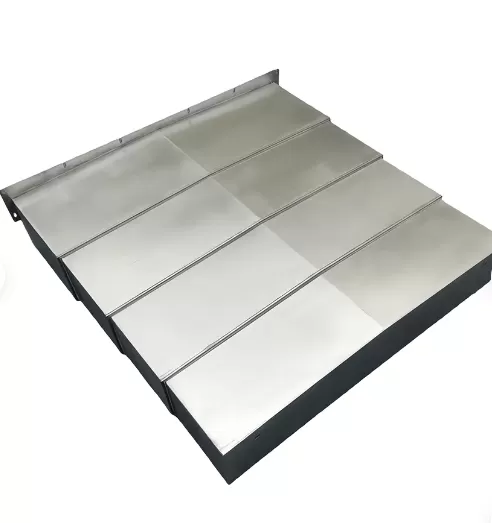
While wipers are relatively inexpensive components compared to spindles, linear guides, or CNC controllers, their failure has disproportionate economic consequences. If a linear guideway system is contaminated, the resulting repair involves dismantling the machine axes, replacing the guide trucks, regrinding or replacing the rails, and recalibrating the geometry of the machine. This results in extensive unplanned downtime and high labor costs.
Investing in high-grade cnc telescopic cover wiper systems reduces labor costs and ensures that machines run continuously at peak accuracy. High-performance wipers extend the service life of both the telescopic steel covers and the internal precision guide components, resulting in a lower total cost of ownership over the machine tool's lifecycle.
Frequently Asked Questions
Q1: How often should telescopic cover wipers be inspected and replaced?
A1: Inspection should occur during weekly routine maintenance cleans. In standard three-shift high-production environments, complete replacement is typically recommended every 12 to 18 months, or immediately if visual inspection reveals elastomer tearing, material swelling, or fluid leakage behind the cover plates.
Q2: What is the main cause of premature wiper failure in high-speed machining?
A2: The most common causes are chemical degradation due to aggressive coolant additives (hydrolysis) and physical damage from hot, sharp metal chips. High-speed dry machining also accelerates wear due to increased friction and thermal stress at the sealing lip if proper low-friction materials are not selected.
Q3: Can wipers be replaced without removing the entire telescopic cover assembly?
A3: Yes, many modern telescopic cover designs allow for in-situ replacement. Wipers with bolt-on or slide-in metal cassettes can be replaced directly on the machine, saving significant maintenance hours. However, a complete cover teardown is recommended occasionally to clean out accumulated sludge within the inner boxes.
Q4: Why does stick-slip occur on telescopic covers, and how can it be resolved?
A4: Stick-slip occurs when the static friction of the wiper lip on the steel cover plate is significantly higher than the dynamic friction. This causes jerky motion during slow axis speeds. Resolving this requires using low-friction elastomer compounds (such as modified polyurethanes), ensuring proper cover alignment, and applying thin films of compatible way lubricants.
Q5: How do custom-profile wipers compare to standard off-the-shelf straight-strip wipers?
A5: Straight-strip wipers are economical for simple, linear edges but require cutting and joining at corners, which can introduce potential leak paths. QUNHUI specializes in engineering custom-molded configurations that provide a continuous, seamless seal across the entire geometry of the cover system, preventing ingress at crucial corner junctions.
Secure Your Machinery Performance
To optimize your machinery protection with a durable cnc telescopic cover wiper tailored to your specific operating conditions, cooperating with an experienced industrial partner is key. Proper material selection, precise profile design, and robust mechanical construction prevent costly downtime and protect your investments in high-precision CNC equipment.
Please contact the engineering department at QUNHUI to discuss custom dimensions, material compatibility requirements, or bulk procurement for your manufacturing facility. Submit your inquiry today to receive detailed technical specifications and a quotation tailored to your operational needs.