
.webp)
In ferrous and non-ferrous scrap processing, the difference between profitable recycling and logistic bottlenecks often lies in the baling machine's engineering core. When evaluating a scrap metal baling machine for sale (this term refers to high-density hydraulic compactors), facility managers must move beyond basic compression ratios and examine real-world throughput consistency, contamination control, and automation adaptability. This guide dissects five measurable criteria that directly impact your return on equipment investment, written from a process engineering perspective.
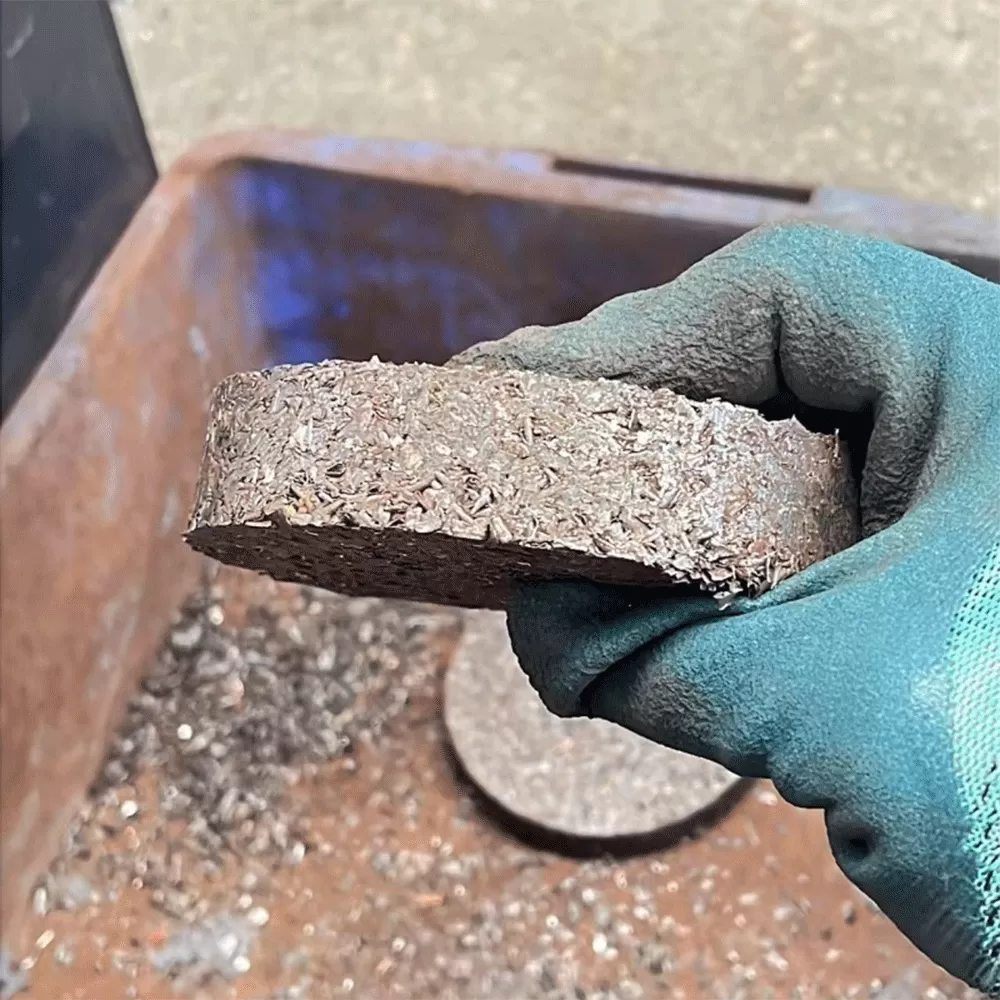
1. Hydraulic Architecture: Single vs. Dual-Cylinder Compression Systems
The heart of any scrap metal baling press is its hydraulic circuit. Dual-cylinder configurations with synchronized valve blocks deliver more uniform compaction force across the bale chamber, reducing side-to-side density variations by approx. 18–22% compared to single-cylinder designs, according to industrial fluid power metrics. For mixed scrap streams (light-gauge sheet metal, cast iron fragments, or shredded auto bodies), a dual-pump system with load-sensing control adjusts flow and pressure dynamically, preventing overheating during peak cycles. Look for hardened chrome-plated piston rods (minimum 60 HRC) and modular manifold blocks – these indicate a machine built for 24/7 operation.
When operators search for a scrap metal baling machine for sale, many overlook the cooling capacity of the oil tank. A correctly sized tank (3–5 times pump flow per minute) with a thermostatic bypass ensures hydraulic oil stays below 55°C, preserving seal integrity. QUNHUI integrates oversized radiators with variable-speed fans on its heavy-duty series, reducing thermal degradation risks by 40% in tropical or poorly ventilated yards.
2. Bale Density Consistency & Material-Specific Tuning
Bale density directly determines freight efficiency and smelter acceptance. For prepared iron scrap (ISRI 210 or 211), a competent baling machine should achieve densities of 1,200–1,600 kg/m³ for heavy melting steel. For non-ferrous (aluminum extrusions, copper wire), target 750–1,000 kg/m³. However, the real performance marker is repeatability across different material shapes. Advanced presses with PLC-controlled stroke logic can adjust packing cycles per infeed batch – e.g., three short pre-compaction strokes for loose turnings followed by two full-pressure strokes. This adaptive logic prevents "spring-back" that breaks bale wires.
To achieve these metrics, a scrap metal baling machine for sale must include adjustable relief valves and a pressure transducer linked to the control panel. Operators should verify that the machine can log pressure curves for each bale – a feature often reserved for high-tier models but increasingly available in mid-range automated systems. QUNHui offers this data logging as standard on its QH-B series, allowing quality certificates to accompany each bale shipment.
3. Automation Readiness & Integration with Downstream Sorting
Modern metal recycling lines operate as continuous flows: shredder → magnetic separator → eddy current → baling. Your baling equipment must accept signals from upstream density sensors and downstream conveyors. Look for machines with open-protocol communication (Profibus, EtherNet/IP, or Modbus TCP) rather than proprietary locked systems. A full-automatic cycle – door closing, main ram compression, side ram pre-press (if horizontal), bale ejection, and tying – should be initiated by a single floor-level push button or remote I/O.
For facilities processing mixed scrap, vision-assisted feed rate control can prevent chamber jams. Some advanced horizontal balers include an infrared curtain that adjusts ram dwell time based on material height. When sourcing a scrap metal baling machine for sale, demand a demo of the HMI (human-machine interface) with diagnostic maps for each hydraulic valve. QUNHUI’s control software, for instance, provides real-time cycle counters and predicts maintenance needs for cylinder rod seals based on stroke counts, not just runtime hours.
4. Abrasion Management & Structural Integrity Under Sustained Load
Scrap metal contains sharp edges, dirt, and sometimes tramp elements (concrete, rubber). Wear-resistant liners made of Hardox 400 or equivalent are mandatory at every friction point: the charging box floor, side walls, and the compression chamber. Minimum thickness for heavy-duty applications is 20 mm. Additionally, the main frame's welding must follow ISO 3834 or AWS D1.1 standards with full penetration welds at stress nodes. Ask for radiographic weld inspection reports – legitimate manufacturers provide these.
Another overlooked area: the bale ejection gate hinge and locking mechanism. Repeated 1,000-ton forces can deform misaligned pins. A well-designed machine uses induction-hardened bushings and automatic grease lubrication points. QUNHUI recommends a bi-weekly greasing schedule for the main ram guide rails, and our machines are fitted with centralized distribution blocks to simplify this task. Purchasing a scrap metal baling machine for sale without inspecting liner replacement accessibility will lead to costly downtime later – ensure the chamber design allows single-person liner bolt access.
5. Dust, Noise & Filtration Compliance
Regulatory pressure on metal recyclers is increasing globally (OSHA, EU Directives, local EPA rules). A responsible baling press should include an integrated dust extraction port (150–200 mm diameter) connected to a cyclone or baghouse, especially when processing shredded auto residue or e-scrap. Hydraulic pumps should be housed in sound-dampened enclosures achieving ≤85 dBA at one meter. Some jurisdictions also require oil mist separators on tank breathers – check for this accessory.
Water ingress during wet scrap processing is another issue. Machines with double-acting cylinder wiper seals and stainless steel control cabinets resist corrosion. If you operate near coastal areas or process wet turnings, ask about IP54 or IP65 rating for electrical panels. QUNHUI offers an optional moisture-extraction cycle that forces warm hydraulic oil through a heat exchanger to evaporate condensation before it contaminates the system. This feature extends oil life by 2,500 hours in humid environments.
Industry Applications Demanding Purpose-Designed Balers
Different scrap streams impose unique requirements:
Demolition steel (rebar, beams): Requires large charge box dimensions (minimum 2,000 mm length) and shear blades before baling – consider a combined shear-baler.
Aluminum used beverage cans (UBC): Needs low-speed, high-torque compaction to preserve coating for smelters; a two-ram horizontal baler with fluff screens.
Turnings & borings (cast iron/steel): A vertical baling machine with a metering hopper and wringer (centrifuge) upstream to remove coolant.
Mixed non-ferrous (zinc, copper, brass): A closed-door horizontal baler with dual tie-wire channels to prevent color cross-contamination.
Each scenario demands a specific chamber geometry and force profile. Generic presses often lead to plugged ejector gates or uneven bales rejected by mills. When evaluating any scrap metal baling machine for sale, request process simulations for your exact scrap density distribution – responsible suppliers like QUNHUI run FEA (finite element analysis) to match machine specs to your feedstock.
Common Operational Pain Points – Engineered Countermeasures
Even robust balers face field challenges. Here are root causes and technical fixes:
Bale wire breakage during ejection: Caused by sharp burrs on chamber walls. Solution: chamfered liner edges and wire channel design with radiused transitions.
Slow cycle times under load: Often insufficient pump flow or undersized suction strainer. Solution: install a larger diameter suction line (2x pump inlet) and replace strainer with 150-micron rating.
Hydraulic fluid foaming: Indicates air ingress via loose cylinder rod seals or a low oil level. A nitrogen-charged bladder accumulator with anti-cavitation circuits prevents this.
Uneven bale density between top and bottom: Usually from a single top-mounted cylinder. A four-guide column design with twin side cylinders provides balanced pressure distribution.
Proactive maintenance protocols – such as quarterly ferrography oil analysis and annual NDT of weldments – reduce unplanned stops by 60%. QUNHUI provides remote diagnostic support through IoT gateways that transmit pressure, temperature, and cycle data to your engineering tablet.
Why Engineering-Driven Sourcing Matters for Your Next Baling Line
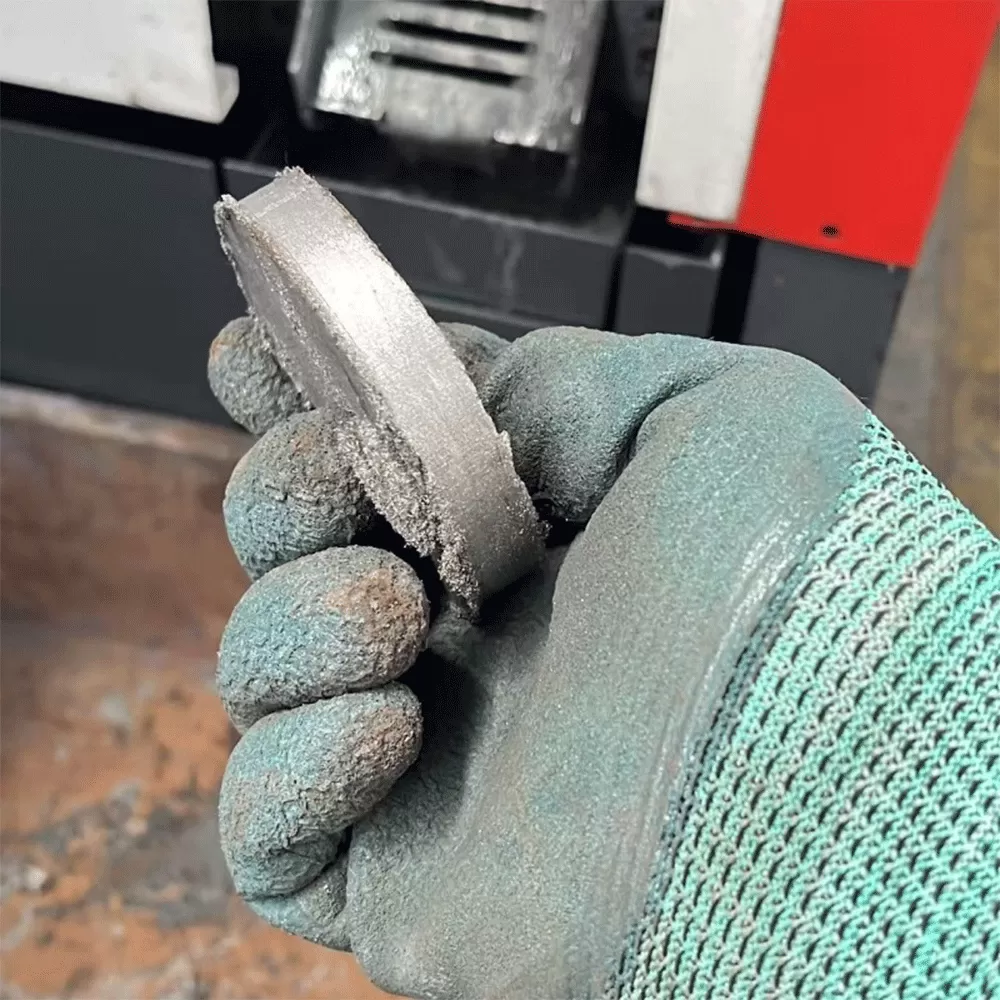
Selecting a scrap metal baling machine for sale without technical verification leads to hidden operational friction. Companies that adopt a specification-first approach (defining bale density, hourly tonnage, material compatibility, and automation level) achieve 30% higher throughput with the same power rating. QUNHUI has engineered over 450 hydraulic baling installations across steel service centers, foundries, and dedicated scrap yards. Our modular platform allows field upgrades from manual tie to automatic wire-tying or even bale weighing and labeling – extending equipment relevance as your volume grows.
We encourage facility audits: our engineers measure your current scrap pile, assess existing material handling (conveyor, magnet, shear), and simulate productivity gains using discrete-event simulation software. This data-driven process eliminates guesswork.
Frequently Asked Questions (Technical Focus)
Q1: What safety certifications should a scrap metal baling machine have for global export?
A1: Look for CE (EN 16500 for hydraulic presses), ANSI B11.19 (USA), or AS 4024 (Australia). Specifically, the machine must include two-hand anti-tie-down controls, light curtains at the feed opening, and a pressure relief valve with a tamper-proof seal. QUNHUI balers are certified to ISO 13849-1 PL ‘c’ for control system safety, with emergency stops at each operator station.
Q2: Can I bale stainless steel or high-alloy scrap without damaging the machine?
A2: Yes, but only if the chamber liners are made of abrasion-resistant steel (minimum 400 Brinell) and the main cylinder has a chromed surface thickness above 100 microns. Stainless spring-back force is higher than carbon steel, so the frame must be reinforced with box-section ribs. Always request a material test certificate from the manufacturer verifying they have processed ≥30% chromium scrap.
Q3: How do I integrate a baling machine with an existing conveyor scale and shredder?
A3: The baler's PLC must support digital inputs (24VDC) from a belt scale and outputs to control shredder infeed speed. Most horizontal balers allow ‘fill-level’ logic: when the bale chamber reaches a set weight (via load cells on the floor), the conveyor stops automatically. QUNHUI provides a pre-written logic block for Rockwell and Siemens controllers, reducing integration programming time by 80%.
Q4: What is the typical service life of hydraulic cylinder seals in high-cycle scrap baling?
A4: With proper rod wipers and clean oil (ISO 4406 cleanliness class 18/16/13), polyurethane U-cup seals last 12,000–15,000 cycles. Contaminated oil (water or silicon dust) can degrade seals within 2,000 cycles. Use a kidney-loop filtration system with 3-micron absolute filters extended life to 25,000 cycles. Replacement seal kits should be inventoried on-site for any machine running over 50 bales/day.
Q5: Does a vertical or horizontal baler deliver better throughput for mixed light-gauge scrap (sheet metal, wire, drums)?
A5: Horizontal balers generally yield 20–30% higher bale density for loose light-gauge material because they allow multiple pre-press cycles before final compaction. Vertical balers are more suitable for batch processing (e.g., one 2-ton bale per hour) with lower capital cost. For a continuous feed of 5+ tons/hour, specify a horizontal unit with a long compression stroke (≥2.5 m) and automatic bale tying.
Next Steps: Request Your Custom Equipment Specification
Every scrap processing line has unique constraints – power availability, floor space, upstream sorting method, and target bale dimensions for local foundries. A generic brochure cannot replace a performance simulation. Reach out to the QUNHUI engineering team with your daily scrap tonnage, average material density, and desired bale size. We will provide a detailed technical proposal including hydraulic schematics, cycle timing charts, and foundation drawings within five business days.
To begin, send your facility’s scrap composition analysis (or bulk density measurement) and desired automation level. Our application engineers will schedule a virtual walkthrough of your yard to identify integration points. Contact QUNHUI today via the inquiry form or email directly to discuss a scrap metal baling machine for sale that matches your operational reality – no generic quotes, only engineered solutions.
Ready to optimize your metal baling line? Send your technical requirements to QUNHUI’s industrial recycling division. Our team will respond with CAD drawings, power consumption estimates, and a complete lifecycle service plan tailored to your scrap mixture. Click here to initiate your professional inquiry .