
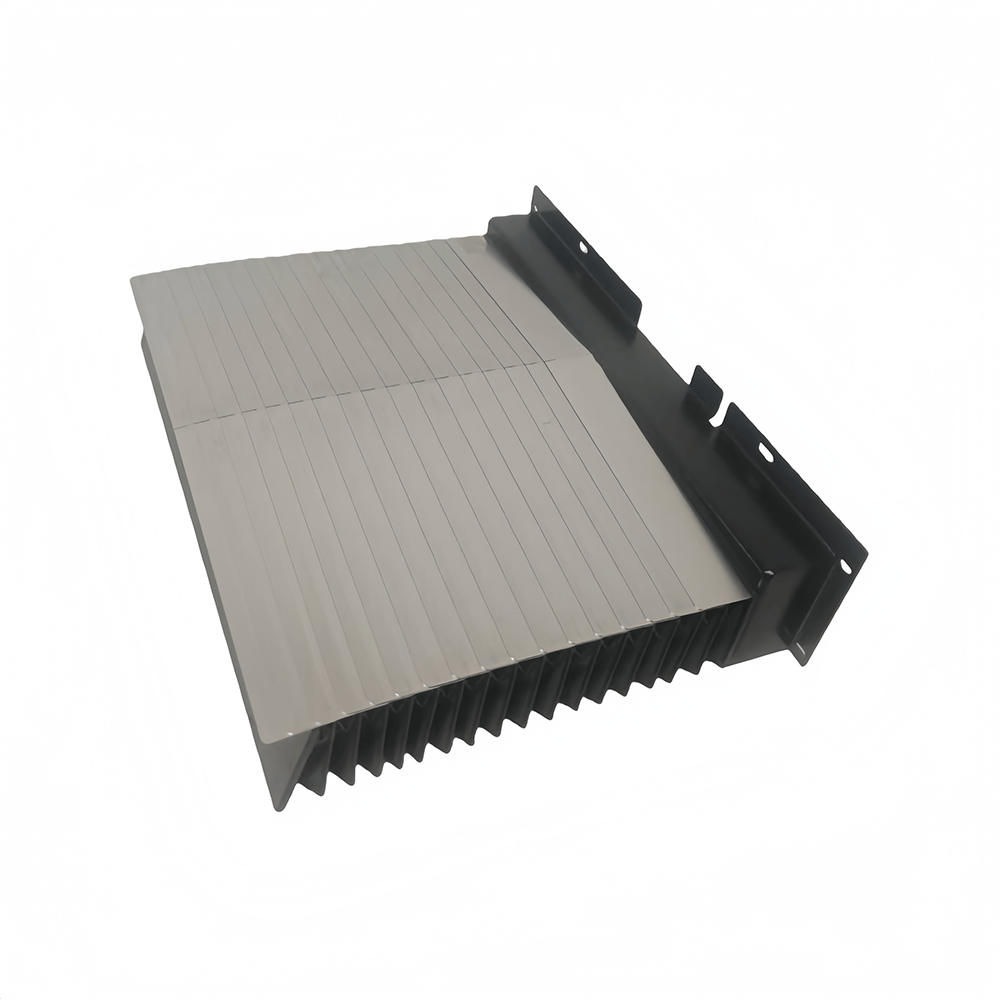
Modern Computer Numerical Control (CNC) machining centers operate in notoriously aggressive environments. The internal ecosystem of a high-speed milling or turning center involves abrasive metallic dust, high-velocity hot swarf, and high-pressure synthetic cutting fluids. To maintain micron-level positional accuracy, the linear guideways, ballscrews, and feedback scales must be shielded from these destructive elements. A meticulously engineered physical barrier is fundamental to achieving this operational longevity. The Armor bellow cover provides a sophisticated, multi-layered defense mechanism designed to deflect mechanical impacts while maintaining high-speed kinematic flexibility. Concurrently, removing the deflected debris efficiently requires seamless integration with a waste discharge tape. By combining robust axis protection with automated chip evacuation, manufacturing facilities can drastically reduce unexpected downtime and mechanical degradation. As a recognized manufacturer in the international machine tool accessories sector, QUNHUI engineers these advanced protective systems to meet rigorous industrial standards, ensuring B2B operators maintain continuous, precision-driven production cycles.
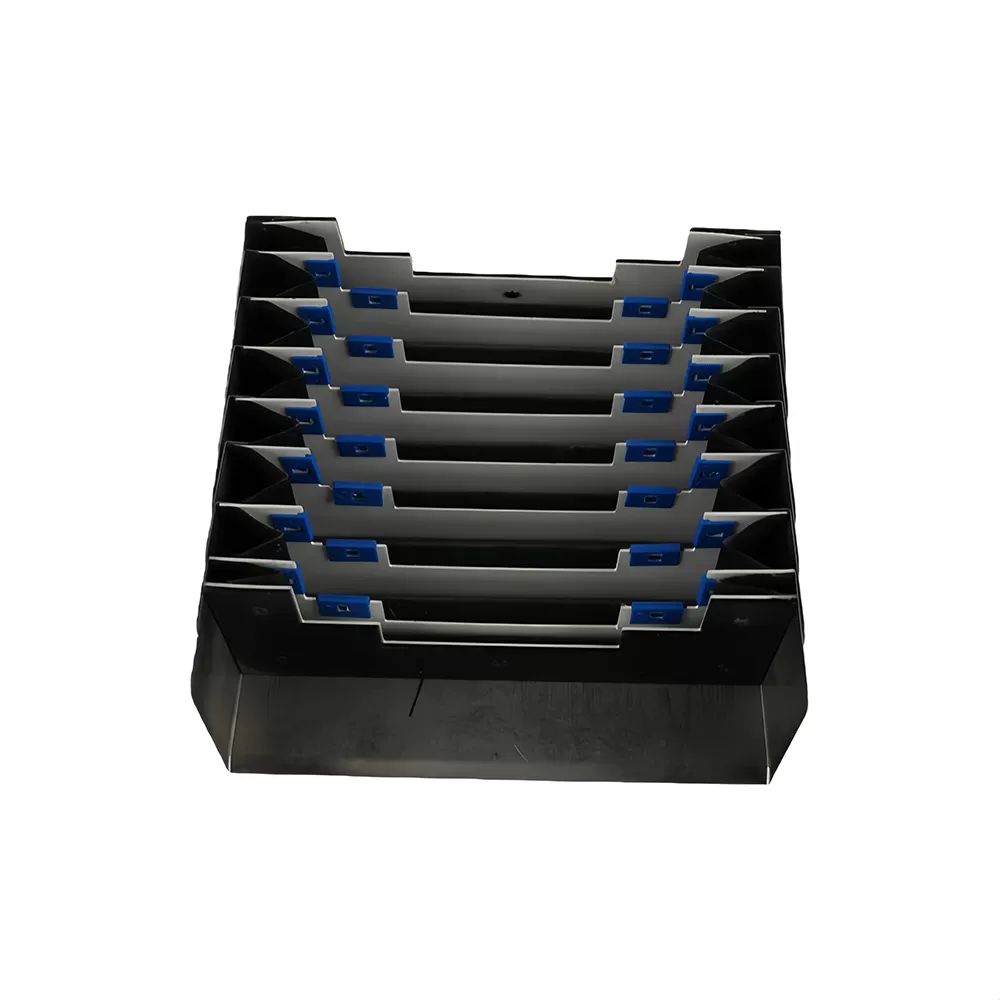
1. The Anatomical Engineering of the Armor Bellow Cover
The structural integrity of guideway protection relies on complex material science and precise geometric engineering. Unlike standard synthetic fabric covers, an advanced protective system utilizes a hybrid construction approach, merging flexibility with rigid defensive properties.
Multi-Layered Substrate Construction
The foundation of the protection system consists of a highly resilient, coated technical fabric. Typically, this involves a polyurethane (PU) or polyvinyl chloride (PVC) coated polyamide material that provides primary resistance against synthetic coolants, mineral oils, and fine particulate matter. Inside the folds, rigid PVC frames or structural inserts maintain the precise geometric shape of the bellows, ensuring uniform compression and extension during rapid axis movements. High-frequency welding techniques fuse these layers together, eliminating stitching holes where high-pressure coolant could otherwise penetrate.
Telescopic Stainless Steel Lamellas
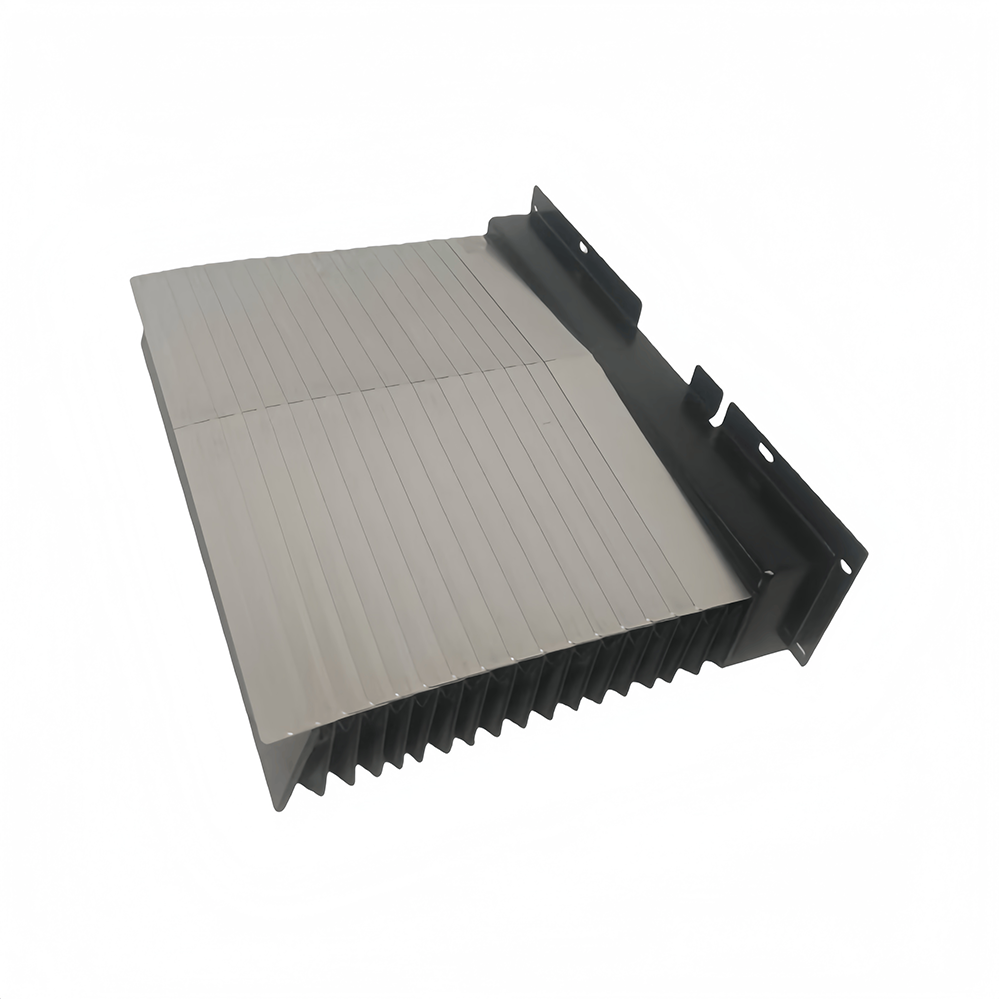
The defining feature of this hybrid system is the array of overlapping stainless steel plates attached to the leading edge of each fold. These lamellas act as a rigid shield against heavy, high-temperature swarf—particularly during the aggressive roughing of materials like titanium, Inconel, or hardened tool steels, where chip temperatures can exceed 500°C. The lamellas are engineered with specific kinematic angles, allowing them to slide smoothly over one another as the machine axis compresses the cover. This overlapping design ensures that there is never an exposed gap, deflecting kinetic impacts safely away from the underlying synthetic substrate.
2. Optimizing Swarf Evacuation via the Waste Discharge Tape
Deflecting hot metal chips is only the first phase of internal machine management; removing them from the cutting zone is equally vital. This is where the geometric synergy between the axis protection and the waste discharge tape becomes a decisive factor in machine design.
When the stainless steel lamellas intercept flying debris, their angled surfaces use gravity and the continuous vibration of the machining process to channel the swarf downward. It is imperative that this material does not accumulate on the machine bed or around the base of the guideways. A strategically positioned waste discharge tape captures the deflected chips immediately. Operating as a continuous conveyor—often utilizing hinged steel belts or scraper mechanisms—the waste discharge tape transports the sharp, hot debris out of the internal machining envelope and into external collection bins.
This rapid evacuation prevents a localized buildup of thermal mass. If hot chips are allowed to rest on the cast iron machine bed, the localized heat transfer will cause asymmetric thermal expansion in the casting. Even a few micrometers of thermal distortion can compromise the volumetric accuracy of a multi-axis CNC machine. Therefore, pairing high-grade protective covers with an efficient waste discharge tape directly contributes to sustaining tight machining tolerances.
3. Overcoming Industry Pain Points in High-Speed Machining
B2B manufacturers constantly face challenges related to machinery wear, maintenance overhead, and production bottlenecks. Implementing specialized protective accessories addresses several of these mechanical pain points directly.
High-Pressure Coolant Ingress: Through-spindle coolant systems often operate at pressures exceeding 70 bar. When directed at moving axes, this fluid can bypass traditional wipers and degrade standard fabrics. The overlapping steel armor breaks the kinetic energy of the coolant jet, while the high-frequency welded substrate provides complete liquid impermeability.
Inertia in Rapid Traverse: Modern linear motors can drive axes at speeds surpassing 120 meters per minute, with accelerations up to 2G. Heavy telescopic steel covers generate massive inertia, straining servo motors and causing severe mechanical shock when the sections collide. An Armor bellow cover offers a significantly lower mass-to-volume ratio, enabling high-speed kinematics without imposing excessive loads on the drive systems.
Space Constraints and Compression Ratios: Machine tool builders strive to maximize the working envelope while minimizing the floor space footprint. Hybrid bellow systems are engineered to fold tightly, offering an exceptional L-max (extended length) to L-min (compressed length) ratio. This allows for longer axis travel within a more compact machine frame.
4. Material Specifications and Metallurgical Considerations
The selection of materials dictates the operational lifecycle of the protective accessories. The stainless steel lamellas are typically stamped from austenitic stainless steel, such as 304 or 316 grades. These specific alloys provide excellent corrosion resistance against alkaline and acidic cutting fluids. Furthermore, the work-hardening properties of austenitic stainless steel mean that the lamellas become more resilient as they endure microscopic impacts from flying chips.
The attachment mechanisms for these plates vary based on the required maintenance protocols. Premium designs utilize heavy-duty riveting or specialized clip-on systems. Clip-on lamellas offer a distinct advantage for B2B maintenance teams, as individual damaged plates can be replaced on the shop floor without requiring the entire cover assembly to be removed or discarded. This modularity drastically reduces spare part inventory costs and maintenance downtime.
5. Installation Protocols and Preventive Maintenance Lifecycle
To maximize the return on investment, precise installation and a rigorous maintenance schedule must be observed. Improper installation is a leading cause of premature failure in machine protection systems.
Pre-Installation Alignment
Before installing the protective cover, the mounting flanges on the machine casting and the moving carriage must be checked for strict parallelism. Any angular misalignment will cause uneven tension across the PVC skeleton, leading to accelerated wear on the synthetic hinges. The linear guides must be thoroughly cleaned and lubricated before the cover is sealed over them.
Routine Inspection and Cleaning
Maintenance personnel should conduct regular visual inspections of the stainless steel lamellas to ensure none have been bent or dislodged by catastrophic tool failures or excessively heavy swarf. The transition zone where the cover meets the waste discharge tape must be monitored to ensure chips are flowing freely and not wedging between the cover's lowest fold and the conveyor housing. Cleaning should be performed using high-volume, low-pressure coolant flush or manual brushing. The use of high-pressure compressed air is strongly discouraged, as it can force microscopic metallic fines past the protective wipers and into the bearing blocks.
6. Calculating Return on Investment (ROI) for Manufacturing Facilities
For B2B procurement managers and production engineers, evaluating the financial impact of machine tool accessories requires a long-term perspective on asset protection. The initial capital expenditure for a premium protection system is negligible compared to the cost of replacing precision ballscrews, linear guideways, and the associated labor costs of a complete machine teardown.
Furthermore, unplanned machine downtime directly impacts revenue generation. If a standard synthetic cover fails under the thermal load of titanium chips, the resulting mechanical damage can halt production for weeks while parts are sourced. By investing in resilient infrastructure—combining hybrid guideway covers with a heavy-duty waste discharge tape—facilities ensure uninterrupted, automated manufacturing. QUNHUI focuses on delivering accessories that directly improve the Total Cost of Ownership (TCO) for large-scale industrial operations.
7. Conclusion and Technical Integration
The harsh realities of modern metal cutting demand uncompromised structural protection for delicate internal kinematics. The Armor bellow cover represents a sophisticated engineering solution, successfully merging the lightweight flexibility of synthetic bellows with the impenetrable nature of steel lamellas. When this system is accurately aligned to channel debris directly onto a continuous waste discharge tape, the result is a fully optimized, self-clearing machining environment. This synergy prevents thermal distortion, protects precision guideways, and allows CNC equipment to perform at maximum rapid traverse rates without mechanical hindrance. Implementing these specialized systems is a necessary step for facilities aiming to maintain high-precision tolerances and maximize spindle uptime.
Business Inquiry: Protect your precision machining assets and minimize downtime with advanced guideway protection and chip management systems. Contact QUNHUI today to request a technical consultation, detailed CAD integration data, and a customized quotation tailored to your specific machine tool specifications.
Frequently Asked Questions (FAQ)
Q1: What is the maximum traverse speed an Armor bellow cover can accommodate during CNC operations?
A1: Due to their lightweight synthetic core and independent sliding lamellas, these systems can comfortably handle rapid traverse speeds up to 120 meters per minute and accelerations of up to 1.5G to 2G, far exceeding the kinematic limits of traditional heavy steel telescopic covers.
Q2: Can these covers withstand the sharp, high-temperature chips generated from machining aerospace alloys like Titanium and Inconel?
A2: Yes. The overlapping stainless steel lamellas are specifically designed to deflect heavy, sharp, and intensely hot chips. The metal plates act as a thermal and kinetic barrier, preventing the hot swarf from burning through the synthetic, fluid-resistant substrate beneath.
Q3: How does the cover interact with the waste discharge tape in a standard machining center?
A3: The protective cover is typically mounted at an angle or vertically above the machine bed. As chips hit the stainless steel armor, the combination of gravity, machine vibration, and the angled surface forces the debris downward, directly into the path of the waste discharge tape, which then conveys the material out of the machine.
Q4: What is the recommended cleaning protocol for these hybrid protective covers?
A4: Operators should use high-volume coolant flushing or soft-bristled industrial brushes to clear debris. It is strongly advised to avoid using high-pressure compressed air, as the pressure can drive abrasive metallic fines underneath the lamellas and into the precision linear bearings.
Q5: Is it possible to retrofit an older CNC machine with these advanced covers to improve chip management?
A5: Absolutely. Most machine tool protection systems can be custom-engineered to fit existing machinery. By providing accurate dimensional drawings of the guideway layout and the location of your existing waste discharge tape, manufacturers can supply a tailor-made protection solution to upgrade older equipment.