
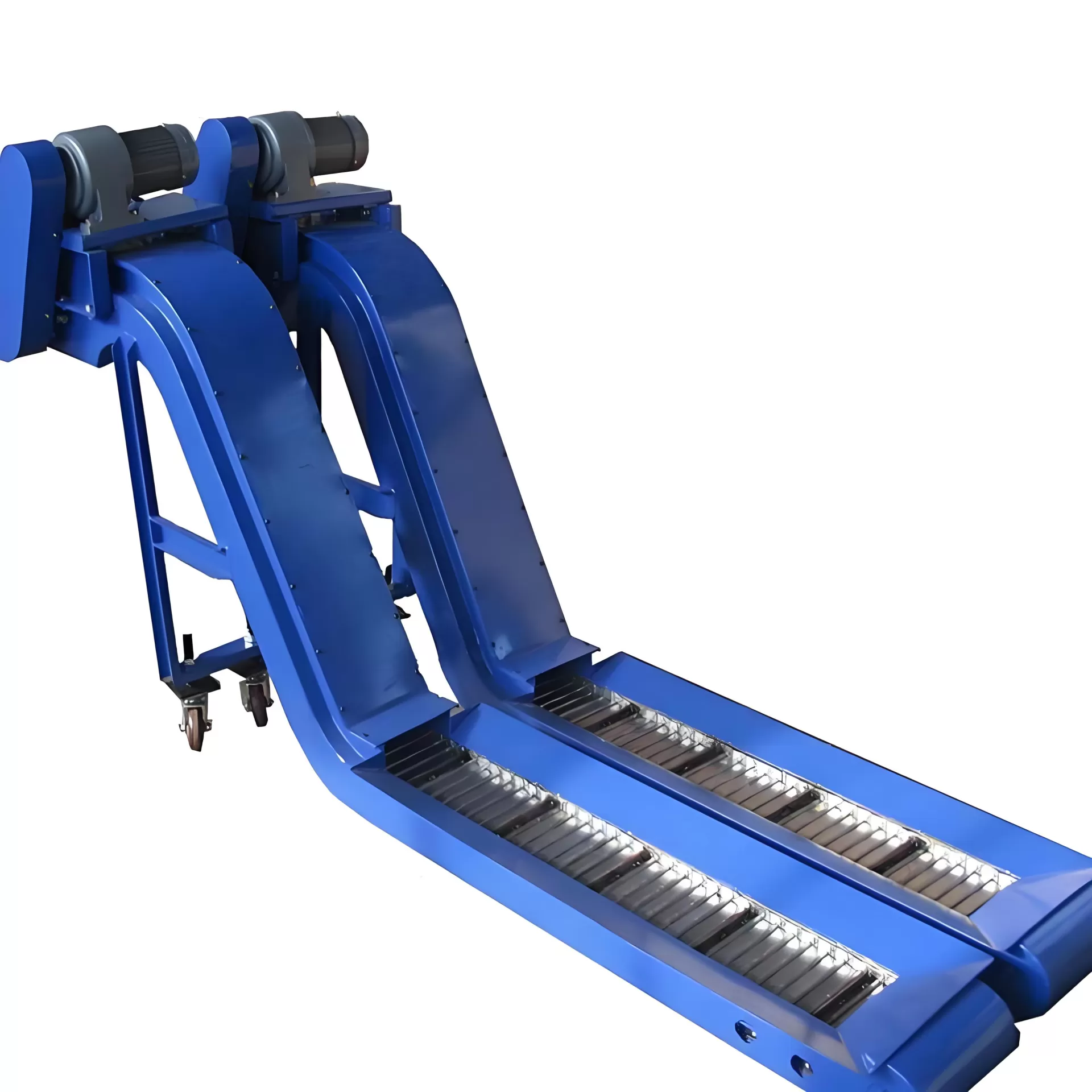
High-volume metal removal operations require systematic waste management to maintain continuous production cycles. Automated CNC lathes, milling machines, and multi-axis machining centers generate substantial amounts of metal swarf, turnings, and long stringy chips. Without an efficient removal system, these waste materials accumulate in the machine enclosure, causing thermal expansion issues, damaging finished surface finishes, and leading to premature tool wear. Incorporating a robust hinged belt chip conveyor from manufacturers like QUNHUI addresses these concerns by continuously extracting waste from the cutting zone, ensuring uninterrupted machine operation.
In modern industrial facilities, waste management is no longer an afterthought but a fundamental component of the production workflow. When high-speed machining centers operate at peak capacity, the volume of metal chips generated can quickly overwhelm standard filtration systems. A well-designed conveyor system does more than simply move waste; it serves as the first line of defense for coolant recovery, tool protection, and workspace cleanliness. By understanding the mechanical principles behind these systems, production managers can make informed decisions that directly influence machine uptime and scrap handling efficiency.
Mechanical Principles of Hinged Belt Conveyor Systems
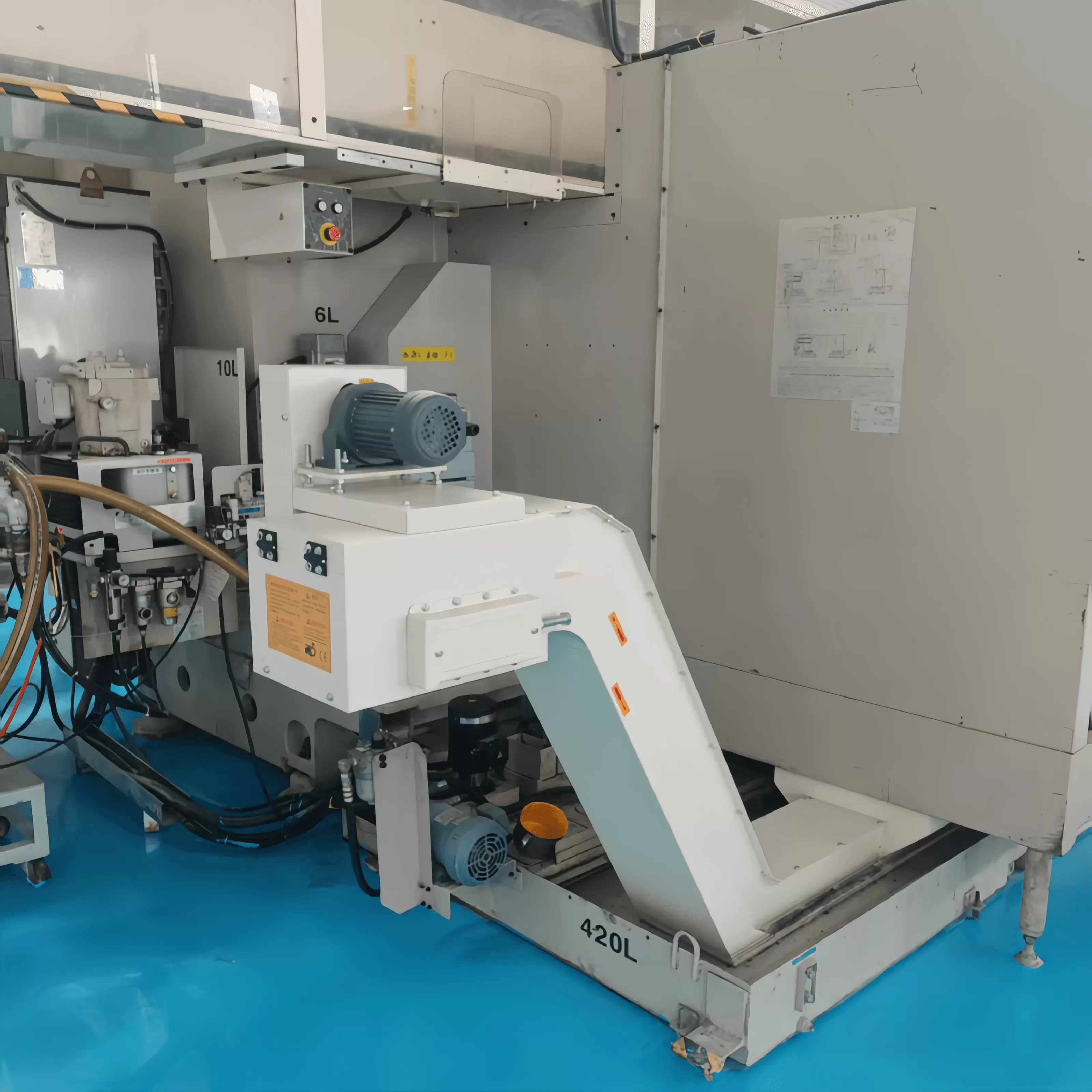
The primary function of a hinged belt chip conveyor relies on a series of overlapping steel plates linked together by heavy-duty steel chains. These plates form a continuous loop that moves along wear-resistant tracks within the conveyor frame. The design of these individual hinge plates is vital, as they must withstand the abrasive action of sharp metal fragments as well as the high temperatures associated with hot machining chips direct from the cutting tool.
To accommodate different volumes and sizes of metal scrap, these conveyors are designed with varying chain pitches. Common industry standards include:
31.75 mm (1.25 inch) Pitch: Suitable for small CNC lathes and compact machining centers where space is limited and chip volume is light to moderate.
38.1 mm (1.5 inch) Pitch: The standard choice for mid-sized production machinery handling a mix of short turnings and medium-sized steel scrap.
50.8 mm (2.0 inch) Pitch: Engineered for heavy-duty applications, large gantry mills, and central chip processing installations that handle heavy scrap loads and long, nested turnings.
The drive system consists of an electric motor paired with a reduction gearbox to deliver high torque at low rotational speeds. To protect the mechanical drive assembly from sudden overloads—such as when a large chunk of scrap becomes wedged between the belt and the frame—a mechanical torque limiter or safety clutch is integrated. This device slips immediately upon encountering a pre-set resistance level, preventing structural damage to the conveyor chain, sprockets, and motor shaft.
To further prevent fine particles from entering the internal chain track, the hinge plates feature interlocking side wings. These side plates create a continuous barrier that moves with the belt, preventing chips from spilling over the edges into the drive mechanism. This containment is necessary for maintaining the structural integrity of the internal bearings and ensuring smooth movement over long operating cycles.
Overcoming Common Metalworking Pain Points
One of the primary difficulties in metal scrap removal is the varied morphology of the chips generated during different machining processes. Long, curly turnings from steel turning operations tend to form tangled masses, often referred to as "bird nests." These nested structures are difficult to transport because they do not flow easily. A standard flat belt conveyor often fails under these conditions because the nested material slips backward on the incline. To resolve this issue, the hinged belt chip conveyor is equipped with raised steel cleats or scrapers welded directly to the belt surface at regular intervals. These cleats bite into the nested scrap, pulling it up the incline toward the discharge chute.
Coolant loss is another operational hurdle that impacts B2B manufacturing budgets. Metal chips carry a significant volume of expensive cutting fluid out of the machine tool as they exit. When waste is discharged wet, the cost of replenishing coolant increases, and environmental regulations regarding scrap disposal become more difficult to satisfy. To mitigate this fluid loss, conveyor frames are engineered with integrated drainage features. Perforated hinge plates can be utilized to allow fluid to pass through the belt back into the machine coolant reservoir while retaining the solid metal scrap. The inclined section of the conveyor, often referred to as the "de-watering zone," allows gravity to pull liquid back down the frame before the chips reach the collection bin.
Mechanical wear from abrasive materials also shortens the service life of standard chip handling equipment. Materials such as cast iron, silicon-aluminum alloys, and hardened tool steels generate highly abrasive fine particles. As these particles pass through the conveyor, they act as grinding agents on standard steel surfaces. To counteract this abrasive wear, QUNHUI utilizes hardened steel tracks and replaceable wear strips in high-friction areas. By localized hardening of the frame interior, the overall life expectancy of the conveyor frame is extended, reducing maintenance overhead and unplanned production stops.
Comparing Chip Conveyor Technologies
Selecting the correct conveyor style depends largely on the material being machined and the shape of the resulting chips. While the hinged belt chip conveyor is highly versatile, comparing it to other designs helps clarify its ideal application areas:
| Conveyor Type | Ideal Material Types | Chip Shape Suitability | Coolant Filtration Capability |
|---|---|---|---|
| Hinged Belt Conveyor | Steel, Aluminum, Brass, Stainless Steel | Long turnings, curly chips, medium-sized scrap | Moderate (Gravity drainage / Perforated plates) |
| Drag Link Conveyor | Cast Iron, Fine Brass, Aluminum Swarf | Fine particles, broken chips, sludge | High (Often paired with drum filters) |
| Magnetic Conveyor | Ferrous materials only (Steel, Iron) | Small chips, fine swarf, drilling dust | Excellent (Separates fines from fluid magnetically) |
As indicated by this comparison, the hinged belt system serves as an excellent general-purpose solution for workshops handling multiple materials and diverse machining jobs. Its mechanical robustness allows it to process large volumes of scrap that would easily jam a drag conveyor or bypass a magnetic system completely.
Automation Integration and Control Systems
In modern production environments, manual monitoring of auxiliary equipment is impractical. Therefore, integrating the chip handling system with the main CNC machine controller or a central PLC network is necessary. By connecting the conveyor control panel to the machine tool, the conveyor can be programmed to run only when the spindle is active, or to operate on a timed interval. This operational mode reduces power consumption and minimizes wear on the moving parts.
Sensors play a key role in automated chip management. Inductive proximity sensors are frequently mounted near the drive sprocket to monitor rotation speed. If a jam occurs and the safety clutch slips, the sensor detects the drop in conveyor speed while the motor continues to spin. This speed mismatch triggers an immediate alarm signal to the CNC controller, halting the machining program to prevent further chip build-up or potential damage to the work envelope. Additionally, level sensors placed over the scrap discharge bin can alert material handlers when the collection container is reaching its capacity, preventing overflow situations.
Maintenance Procedures for Long-Term Reliability
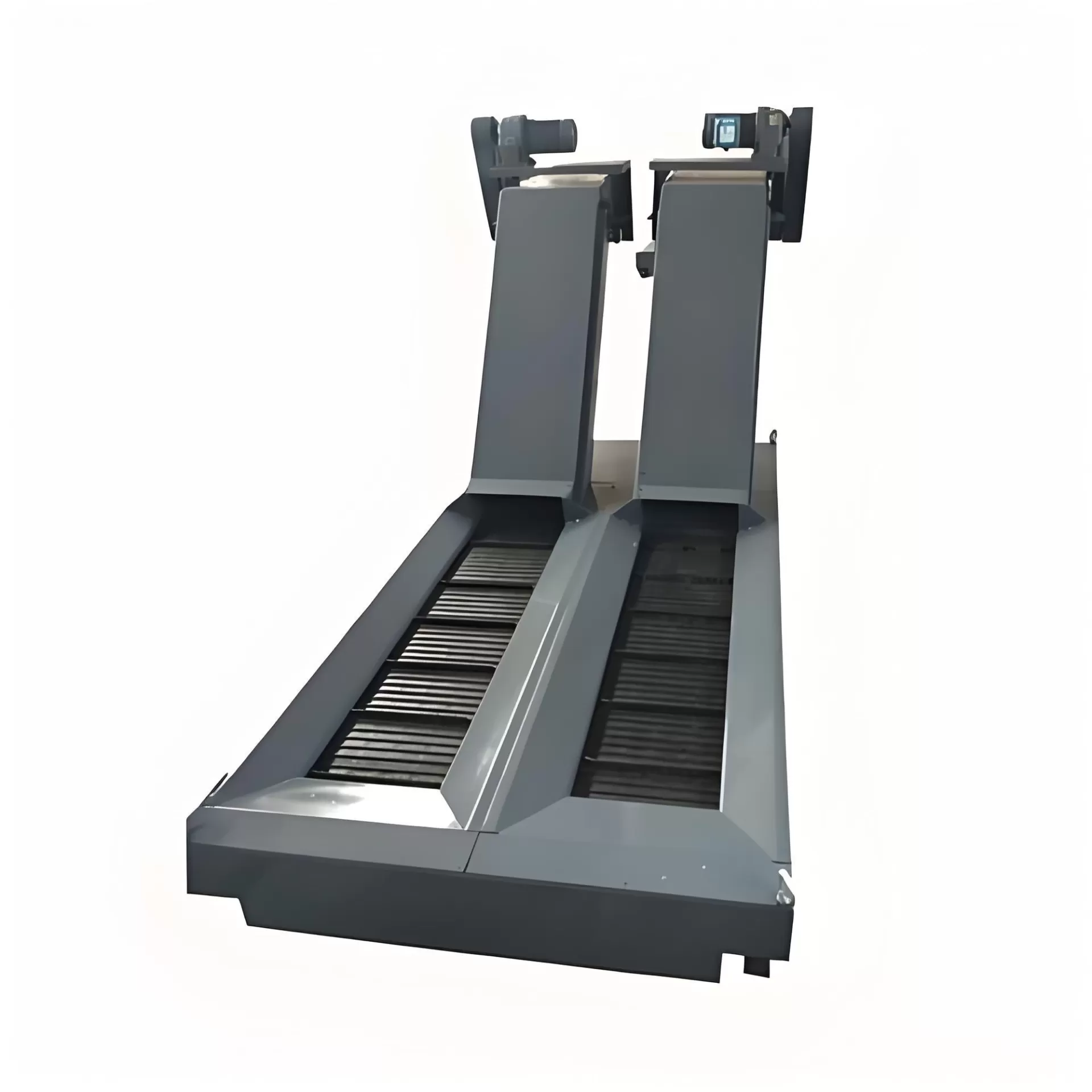
To ensure consistent operation and protect the capital investment in a hinged belt chip conveyor, maintenance personnel must follow structured upkeep procedures. Although these systems are built for harsh industrial environments, regular inspections prevent minor issues from turning into major mechanical failures.
First, chain tension must be checked periodically. Over time, the constant tension and wear on the chain link pins will cause the belt to stretch. A loose belt can bunch up inside the lower curve of the frame, leading to premature wear on the track and potential jamming. Most conveyor designs include adjustable tensioning bolts near the discharge end, allowing maintenance staff to pull the drive shaft forward to restore correct tension.
Second, lubrication of the drive chain and sprocket assembly is required. While the coolant fluid within the machine provides some lubricating properties, it often washes away dedicated greases. Utilizing specialized waterproof lubricants on the drive chains and maintaining the oil levels in the main reduction gearbox ensures smooth mechanical power transfer and quiet operation. Regularly removing fine sediment from the bottom of the conveyor tank prevents the accumulation of dense sludge that can restrict the movement of the belt.
Frequently Asked Questions
Q1: What is the primary advantage of a hinged belt chip conveyor over a drag chain conveyor?
A1: The primary advantage is the ability to handle long, stringy, and nested metal turnings that would otherwise wrap around drag links and cause structural blockages. The flat, cleated surface of the hinged belt supports and transports large, irregular scrap masses much more effectively than a scraper-based drag system.
Q2: Can a hinged belt conveyor handle cast iron chips?
A2: While it can move cast iron chips, it is not the ideal choice for pure cast iron machining. Cast iron produces small, highly abrasive powdery fines that can slip through the hinges of the belt, settling at the bottom of the conveyor frame and causing accelerated wear on the chain tracks. For cast iron, a drag-style conveyor or a magnetic conveyor is generally more appropriate.
Q3: How does the integrated safety clutch prevent damage during a jam?
A3: The safety clutch, or torque limiter, acts as a mechanical fuse. When the conveyor belt encounters resistance that exceeds a set threshold, the clutch slips, disengaging the motor drive from the sprocket shaft. This action immediately stops the belt movement while the motor continues to spin safely, preventing motor burnout and saving the chain links from stretching or breaking.
Q4: What belt materials are recommended for handling high-temperature chips?
A4: For high-temperature chips, such as those generated during dry machining of titanium or heavy steel turning, high-strength carbon steel or specialized heat-treated alloy steel belts are recommended. These materials prevent thermal deformation of the hinge plates and maintain structural alignment under intense heat loads.
Q5: How does the slope angle of the conveyor affect chip discharge?
A5: The angle of inclination, typically between 30 and 60 degrees, determines both the height of the discharge and the efficiency of coolant recovery. A steeper angle saves floor space but may require higher cleats to prevent round or heavy chips from rolling back down the belt. A shallower angle facilitates better gravity-assisted coolant runoff before the waste reaches the discharge chute.
Partner with QUNHUI for Reliable Waste Management Solutions
Selecting the appropriate waste removal system is a vital decision for improving workshop productivity and protecting high-precision machining assets. The engineering team at QUNHUI designs custom conveyor solutions tailored to the specific spatial constraints, material types, and production volumes of your manufacturing facility. For a detailed evaluation of your machine tool setup and a customized proposal, contact our sales department. Submit your project specifications and mechanical drawings to our engineering division to begin the integration process.